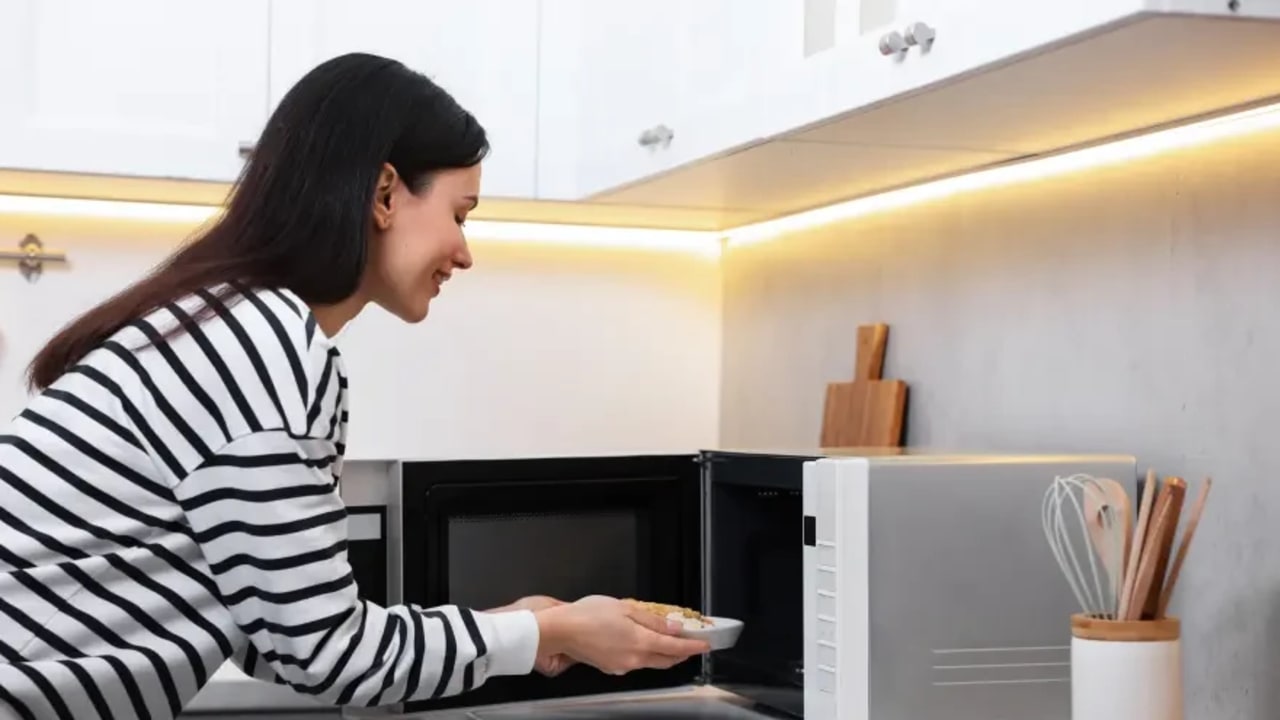
Radiation or Progress: Since its introduction into the home kitchen, the microwave has suffered from a problematic image. For part of the public, it is perceived as a device that heats “from the inside,” damages the molecular structure of food, and even makes it less healthy. This concern intensifies when it comes to vegetables, which are considered particularly sensitive to vitamin loss. In practice, medical and nutritional reports indicate that the problem is not the microwave itself, but a lack of understanding of cooking principles.
From a physical perspective, the microwave operates using electromagnetic waves at a specific frequency, causing water molecules in food to vibrate and heat up. It is not ionizing radiation, and there is no unique chemical change that differentiates microwave heating from heating in an oven or on a stove. Medical reports emphasize that food does not become “radioactive” and does not undergo a dangerous structural change.
When examining nutritional value, the picture becomes even clearer. Many vitamins, primarily vitamin C and some B vitamins, are sensitive to heat and water. The longer the cooking and the longer the food stays in water, the greater the vitamin loss. In this context, microwave heating offers a clear advantage – it is fast, requires very little water, and sometimes requires none at all.
Nutritional reports comparing different cooking methods indicate that vegetables heated in the microwave retain a higher percentage of vitamins compared to vegetables boiled in water. During boiling, a significant portion of water-soluble vitamins “leaks” into the cooking water that is poured down the sink. In the microwave, however, food cooks in its own liquids, reducing the loss of nutrients.

Steaming is also considered a good method for preserving nutritional values, but it is usually longer and requires additional equipment. The microwave, in this context, offers a combination of speed and efficiency, especially for preparing vegetables, reheating leftovers, and simple cooking.
The concern about “complete destruction” of nutritional value in the microwave is not supported by medical reports. On the contrary, in some cases, short microwave heating preserves antioxidants better than prolonged stove cooking. The claim that the microwave uniquely alters the molecular structure of food also lacks scientific support. All heating, by any method, changes structure to some degree, but there is no evidence that the microwave does so harmfully.
However, professional reports point to one vulnerability unrelated to the device itself, but to the containers used. Heating food in plastic containers not intended for the microwave can cause chemicals to migrate from the plastic into the food. For this reason, health authorities recommend using only glass containers or containers labeled as microwave-safe.
Heat distribution is also not always uniform, so it is important to stir or let food rest briefly after heating, especially for baby food. This is a safety aspect, not a nutritional one, but it is part of proper microwave use.

The conclusion from medical and nutritional reports is unequivocal. The microwave is not a health enemy, but an efficient cooking tool that is sometimes even preferable to traditional methods in terms of preserving nutritional value. Concerns about it are based more on myths and fears than on data.
Bottom line: Microwave heating does not “kill” vitamins and sometimes even preserves them better. As long as appropriate containers are used and heating is done correctly, it is one of the most convenient and healthy ways to prepare food in the modern kitchen.
Dr. Itay Gal is a specialist in pediatrics, sports and aviation medicine, and infectious disease research. He is the health reporter and medical commentator for Ma’ariv and a lecturer in medicine and innovation. For additional articles, click here.