Shanthi Appelo, a registered dietician from Blue Cross Blue Shield of Michigan, introduced a series of non-alcoholic mocktail recipes this week as a healthy alternative for those looking to avoid alcohol during the spring months. The recipes focus on using fresh seasonal ingredients like mint and strawberries to provide complex flavors and nutritional benefits.
The shift toward mocktails comes as recent health reports, including warnings from the surgeon general, highlight links between alcohol consumption and cancer. Appelo noted that many people are choosing to reduce alcohol intake to improve how they feel physically and to maintain hydration as the weather warms.
To create mocktails with depth beyond simple fruit juice, Appelo suggests stocking a pantry with citrus, cucumbers and fresh herbs such as mint or basil. Fizzy components are also essential to replicate the mouthfeel of traditional cocktails. “I love using tonic because it adds a little bit of bitterness,” Appelo said. “And that’s often something that mocktails will lack because alcohol provides a little bit of that.” Other options include ginger beer, lemon-lime sodas or plain sparkling water. For sweeteners, she recommends simple syrup, honey or maple syrup.
One featured recipe is the Hugo Spritz, a mint-based drink that has grown in popularity at restaurants. Appelo noted she has been making more mocktails lately and highlighted the use of non-alcoholic prosecco as a base. “Nonalcoholic prosecco is a really good substitute,” Appelo said. “They usually remove the alcohol.” The drink is made by muddling mint, lemon slices and simple syrup before adding the prosecco and elderflower tonic water. Appelo noted that some vineyards in Traverse City produce non-alcoholic options that can be used for this recipe.
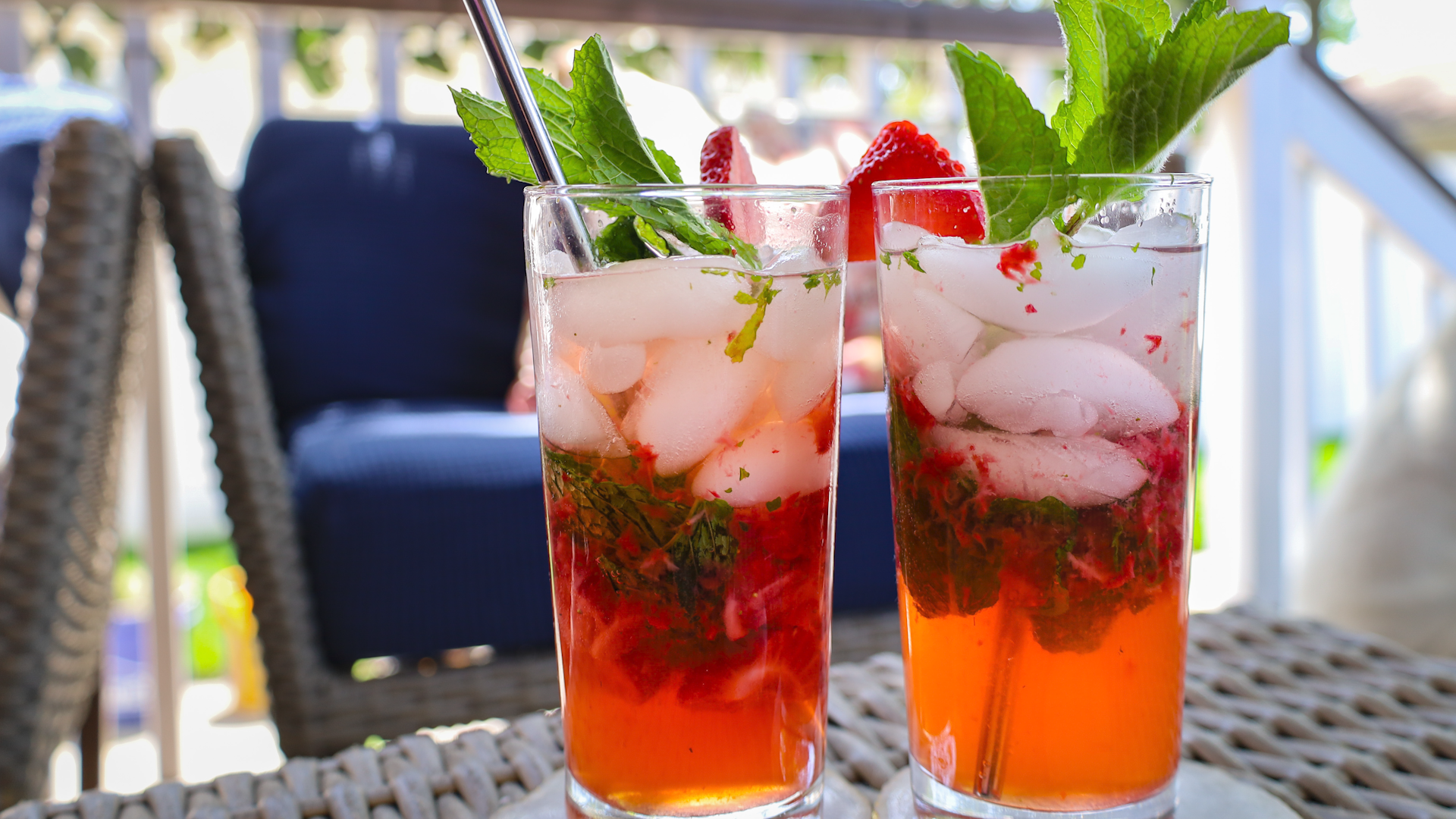
A second recipe, the “No-hito,” utilizes fresh or frozen strawberries, mint, lime and a small amount of sweetener. Appelo recommends adding sweetness gradually to taste before topping the mixture with ice and sparkling lime water. She noted that using fresh fruit allows for a “vitamin punch” that traditional cocktails might lack. “It is a really good opportunity to get in fruits,” Appelo said. “And of course when we muddle them like this, we get a little bit of the fiber for eating them as well.
”Beyond calorie reduction, mocktails offer physiological benefits regarding nutrient absorption. When alcohol is consumed, the body treats it as a toxin and prioritizes processing it over absorbing essential vitamins and minerals. “Mocktails are a really great way to just get our nutrients in, prioritizing that for our body,” Appelo said. She added that the use of sparkling waters also provides a hydration component that is often lost when drinking dehydrating alcoholic beverages.
Appelo emphasized the importance of normalizing non-alcoholic choices in social settings. “The more we normalize it, right and not make it weird that we’re drinking mocktails, I think that’s a good place to start,” Appelo said. She encouraged making drinks at home that are as visually and flavorfully exciting as those found in restaurants.
Additional mocktail recipes, including a non-alcoholic espresso martini, are available at ahealthiermichigan.org.