A large cross-sectional study of Japanese adults with type 2 diabetes reveals that alcohol intake may shape dietary patterns and micronutrient intake differently across age and sex groups, with younger men showing the most pronounced nutritional deficits.

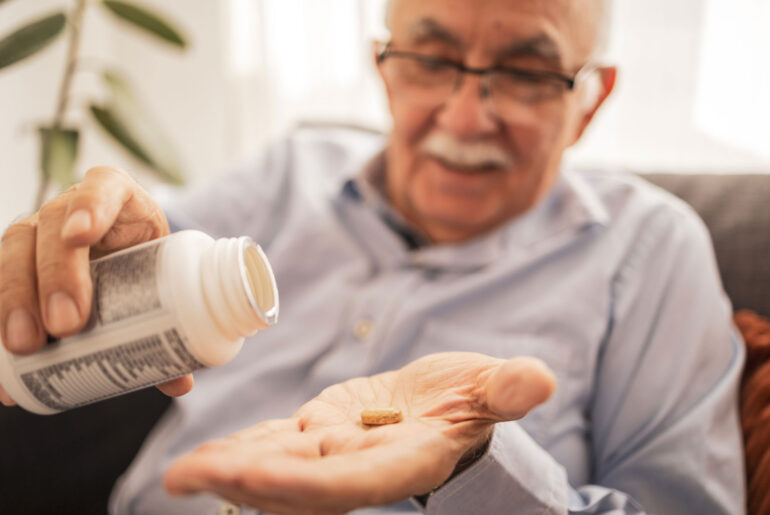
Association Between Alcoholic Beverage Consumption and Micronutrient Intake in Type 2 Diabetes Outpatients: A Cross-Sectional Analysis by Sex and Age (JDDM#). Image Credit: Halfpoint / Shutterstock
In a recent study published in the journal Clinical Nutrition ESPEN, researchers investigated associations between alcohol consumption and micronutrient intake in people with type 2 diabetes (T2D).
Alcohol intake can influence diet quality; increased alcohol consumption has been associated with higher energy intake and lower intake of fruits, dietary fiber, dairy, and whole grains. Moreover, heavy alcohol drinkers have been reported to consume more calories and micronutrients overall, but less vitamin C, carotenoids, and vitamin E.
Alcohol may negatively impact diet quality by altering appetite-regulating hormones, such as ghrelin, and potentially increasing hunger, thereby driving the intake of nutrient-poor, energy-dense foods. Alcohol intake shows marked sex and age differences, although stratified analyses that concomitantly account for both are lacking. Prior studies have also rarely examined how alcohol consumption relates simultaneously to both dietary patterns and micronutrient intakes, which may help clarify how alcohol influences overall diet quality.
Study Design and Participant Characteristics
In the present study, researchers evaluated associations between alcohol consumption and micronutrient and food group intakes and assessed how they relate to overall dietary patterns. Outpatients with T2D treated at Japanese clinics between December 2014 and December 2019 were included. Participants completed a lifestyle questionnaire and self-reported weight and height. The Food Frequency Questionnaire (FFQ) was administered to examine dietary habits.
Dietary Assessment and Alcohol Intake Measurement
The FFQ assessed dietary intake over the past one to two months. Participants reported portion size and weekly intake frequency; foods consumed less than once or twice a month were excluded. Food and nutrient intake estimates were derived using the standard food composition tables. Total alcohol intake was estimated from the FFQ as the number of drinks per day; intake was not stratified by beverage type.
Physical Activity and Participant Stratification
Physical activity was determined using the Japanese short version of the International Physical Activity Questionnaire. Participants were categorized into four age-sex groups: younger males and females (aged ≤ 65 years) and older males and females (aged > 65 years). They were further stratified based on alcohol intake into nondrinkers, individuals with alcohol intake ≤ median, and those with intake > median.
Statistical Analysis of Micronutrient Intake and Dietary Patterns
The researchers used multiple linear regression to investigate associations between alcohol intake and micronutrient intake across groups. Spearman correlation was employed to evaluate the association between alcohol consumption and food group intake across groups. Finally, dietary patterns were derived using principal component analysis (PCA) to assess the relationship between alcohol intake and overall diet.
Findings: Energy Intake, BMI, and Lifestyle Factors
The study included 1,565 participants. Specifically, the sample included 620 younger males, 367 older males, 301 younger females, and 277 older females. Higher alcohol intake was associated with increased energy intake in all groups except older females. The prevalence of smoking was the lowest in younger males with lower alcohol intake, but higher in nondrinkers and heavy drinkers.
Body mass index (BMI) was lower in those with higher alcohol intake among younger males. Similarly, BMI was significantly lower among drinkers compared with nondrinkers in the older female group, although the relationship across alcohol intake levels was not linear.
Associations Between Alcohol Intake and Micronutrients
Further, a significant association was observed between higher alcohol intake and lower intakes of multiple micronutrients in younger males, with significant reductions in potassium, calcium, vitamin A, and vitamin C, while iron showed no significant association; the strongest association was observed for potassium. In older males, alcohol intake was negatively associated with vitamin C only. No significant associations were noted for females.
Food Group Correlations With Alcohol Consumption
Among food groups, alcohol intake showed a positive correlation with fish/seafood, soybean/soy products, seaweed, seeds and nuts, sugar, pickles, and spices, and a negative correlation with confectionery and milk in younger males. In older males, alcohol intake was positively correlated with fish/seafood and negatively with sugar-sweetened beverages, bread, rice, fruits, and confectionery.
In females, positive correlations were observed with confectionery and soybean/soy products in the younger group and with vegetables, mushrooms, soybean/soy products, and seaweed in the older group.
Dietary Patterns Identified Through Principal Component Analysis
Three dietary patterns emerged in the PCA: healthy, sweet, and savory. Alcohol intake was associated with the savory foods pattern, characterized by high intakes of rice, meat, sugar-sweetened beverages, fish, and seasonings.
Conclusions: Age, and Sex Specific Associations of Alcohol and Nutrition
In sum, the findings reveal negative associations between alcohol intake and several micronutrients in younger males, particularly potassium, calcium, vitamin A, and vitamin C, and only vitamin C in older males. No significant associations were found between alcohol and micronutrient intakes among females.
The authors suggest that lower intake of dairy products such as milk, along with related lifestyle behaviors such as smoking, may partly explain the reduced micronutrient intake observed among younger men with higher alcohol consumption. These results highlight age, and sex specific associations of alcohol with micronutrient intake, and emphasize the need to improve nutrient intake among younger males who consume alcohol.
Because the study used a cross-sectional design, the findings demonstrate associations rather than causal relationships between alcohol consumption and nutrient intake.
Journal reference:
d’Avila Ferreira E, Hatta M, Yoshizawa Morikawa S, et al. (2026). Association Between Alcoholic Beverage Consumption and Micronutrient Intake in Type 2 Diabetes Outpatients: A Cross-Sectional Analysis by Sex and Age (JDDM#). Clinical Nutrition ESPEN. DOI: 10.1016/j.clnesp.2026.103103, https://www.clinicalnutritionespen.com/article/S2405-4577(26)00199-3/