4 min readNew DelhiMar 10, 2026 07:00 PM IST
For many women, fitness routines are often disrupted by life events such as pregnancy, injuries, chronic pain, or demanding work schedules. The question of whether to push through or pause physical activity during such phases is important. Recently, actor Saumya Tandon spoke about her commitment to staying active through different phases of life.
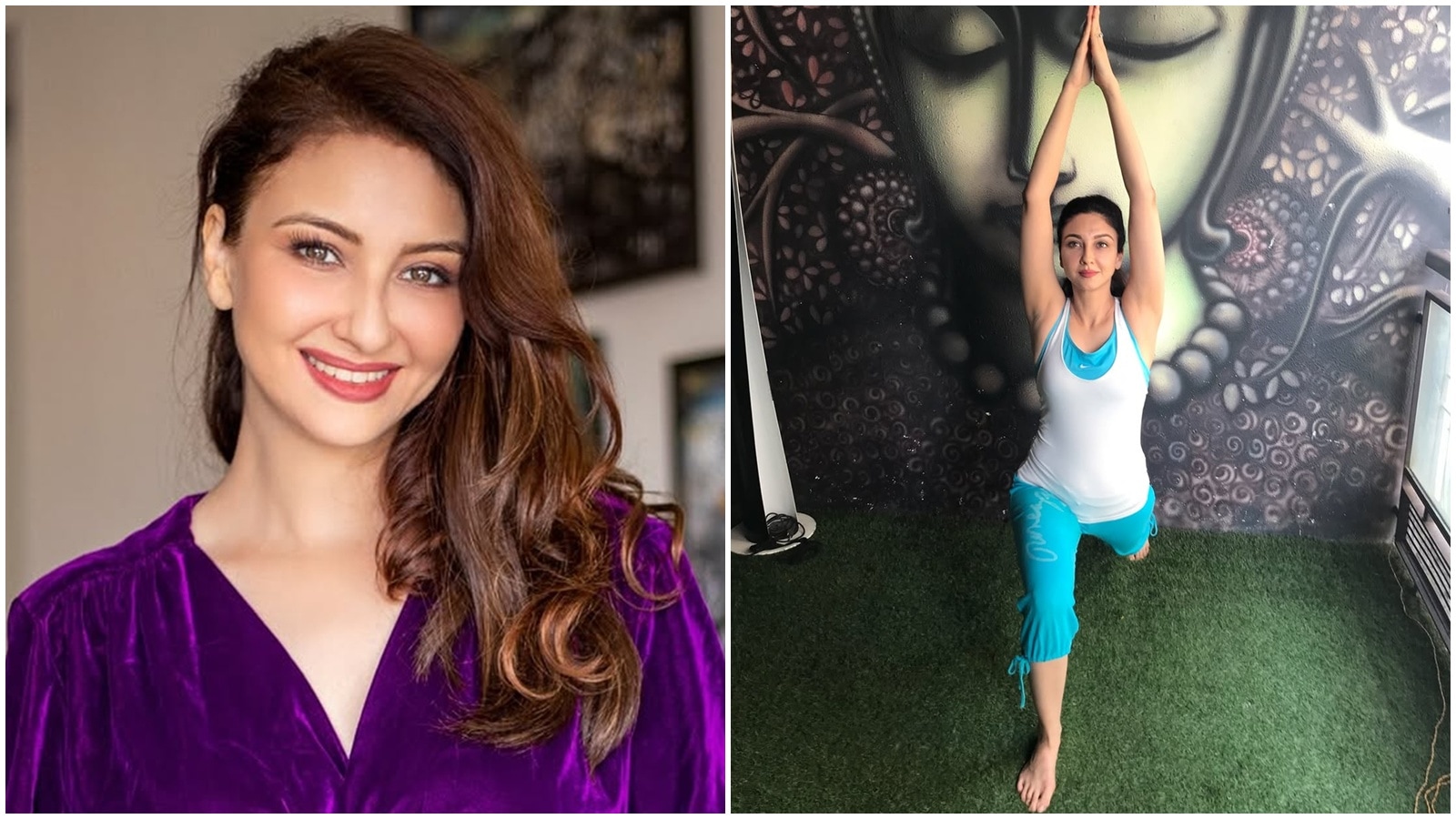
Currently enjoying the success of Dhurandhar, she shared glimpses of her fitness journey, including aerial yoga, planks, TRX workouts, pilates and yoga. Reflecting on her routine over the years, she highlighted how certain practices have remained constant. She wrote, “Over the years…. Yoga, Pilates, Weight training. Never stop. Even with a knee injury, pregnancy, sciatica, whatever situation you are thrown into, just be at it. Your body is the best investment in the world. Women lift weights.”

Her message underscores a powerful belief: that movement should continue despite setbacks, and that strength training is particularly important for women.
But is it medically advisable to ‘never stop’ working out during conditions like pregnancy, knee injury, or sciatica?
Dr Palleti Siva Karthik Reddy, MBBS, MD, general medicine, FAIG, consultant physician at Elite Care Clinic, tells indianexpress.com, “Staying physically active during phases such as pregnancy or while managing conditions like knee pain or sciatica is generally beneficial, but the idea should not be interpreted as maintaining the same intensity or type of workouts. Medically, the goal shifts from performance to preservation of mobility, circulation, and musculoskeletal stability. During pregnancy, low-impact exercises such as guided prenatal yoga, walking, breathing work, and supervised strength training help maintain core support and reduce discomfort.”
In cases of sciatica or knee injury, he adds that exercises must be modified to avoid strain on affected nerves or joints, “focusing instead on controlled movement, strengthening surrounding muscles, and improving posture.” Any exercise plan should be personalised and ideally supervised by a qualified professional, with medical clearance when symptoms are significant.
Specific benefits of combining yoga, Pilates, and weight training for women across different life stages
“A combination of yoga, Pilates, and strength training creates a well-balanced fitness approach because each modality supports a different physiological need,” notes Dr Reddy, adding that yoga enhances flexibility, mobility, and nervous system regulation, which helps manage stress and hormonal fluctuations. Pilates focuses on deep core activation, spinal alignment, and pelvic stability, making it particularly beneficial during postpartum recovery and midlife when core strength becomes essential for injury prevention. Weight training plays a crucial role in maintaining bone density, muscle mass, and metabolic health, especially as women age and natural hormonal changes increase the risk of osteoporosis and muscle loss.
The difference between healthy consistency and pushing beyond safe limits
Healthy consistency is characterised by gradual progress, improved mobility, and recovery without lingering discomfort, whereas overexertion often presents as persistent pain, worsening stiffness, fatigue, or reduced performance over time. Dr Reddy asserts that a useful guideline is that exercise-related discomfort should subside within 24 to 48 hours and should not alter normal movement patterns.
“Sharp pain, nerve-related symptoms such as tingling or numbness, or pain that increases during activity are warning signs that the body requires modification or rest. Listening to physiological feedback, maintaining adequate recovery, and adjusting intensity based on energy levels are essential components of safe training. Seeking early professional assessment when pain persists helps prevent minor issues from developing into chronic injuries. Consistency should support healing and resilience, not override the body’s protective signals,” concludes Dr Reddy.
Story continues below this ad
DISCLAIMER: This article is based on information from the public domain and/or the experts we spoke to. Always consult your health practitioner before starting any routine.