Key Takeaways
Packaged food companies are revamping product offerings with high-fiber versions of existing favorites in response to growing consumer interest in gut health and “better-for-you” snacks.The rise of GLP-1s could also have a hand in the fiber craze. Fiber, like weight-loss medications, helps regulate appetite and prevent overeating.
Protein has been all the rage in grocery stores. Now fiber is hot on its tail.
Americans are “fibermaxxing,” increasing their fiber intake to meet—or even exceed—daily recommended doses. The trend has been fueled by TikTok influencers extolling the health benefits of high-fiber foods like berries, chia seeds, oats, and even Dutch stroopwafels.
The fiber frenzy is changing what people buy. The craze is just one example of growing consumer demand for what food industry executives are calling “better-for-you” snacks: Consumers, they say, are looking for more than just a salty crunch; they’re also seeking products that pair convenience and holistic health benefits.
What This Means for the Economy
Rising demand for fiber-rich foods is the latest sign that U.S. consumers are prioritizing health and wellness when stocking their pantries. In the long run, that shift in consumer preferences could have far-reaching consequences for food budgets, product lineups and even healthcare outcomes.
On social platforms like Reddit, consumers share dietary tips, personal experiences, and concerns about how they’re feeling when they up their fiber intake. “After three days of lentils, chia seeds, and raw cruciferous vegetables, I’m pretty sure I’ve become a living greenhouse,” one recently wrote.
“Unless you have been ignoring all social media for the past year, you will know that consumer awareness of the importance of fiber has been rapidly increasing,” said Daniel Ordonez, chief operating officer of Oatly (OTLY) on the oat milk maker’s latest quarterly earnings call.
Health experts say there’s method to the mania. The average American consumes half their daily recommended dose of fiber, a shortfall nutritionists call “the fiber gap,” according to Candace Pumper, a registered dietitian nutritionist at the Ohio State University Wexner Medical Center, who attributes the fiber hype to “growing consumer interest in gut health, expanding product innovation, and a broader shift toward functional nutrition.”
The popularity of GLP-1 weight-loss medications may also bear some responsibility. GLP-1s, Pumper said, “slow stomach emptying and increase satiety,” or the feeling of being full. Some consumers may be exploring dietary strategies, like increasing their protein and fiber intakes, to mimic those effects.
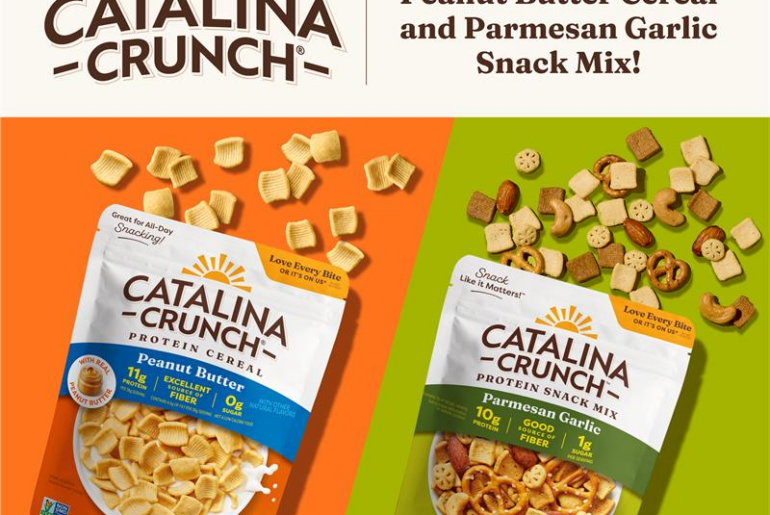
Packaged food companies are flaunting their fiber bonafides and remixing some old favorites. General Mills (GIS) plans to launch Honey Nut Cheerios Protein, fiber-enriched Annie’s “Nature Pals,” and protein bars developed with sports nutrition brand Ghost later this year.
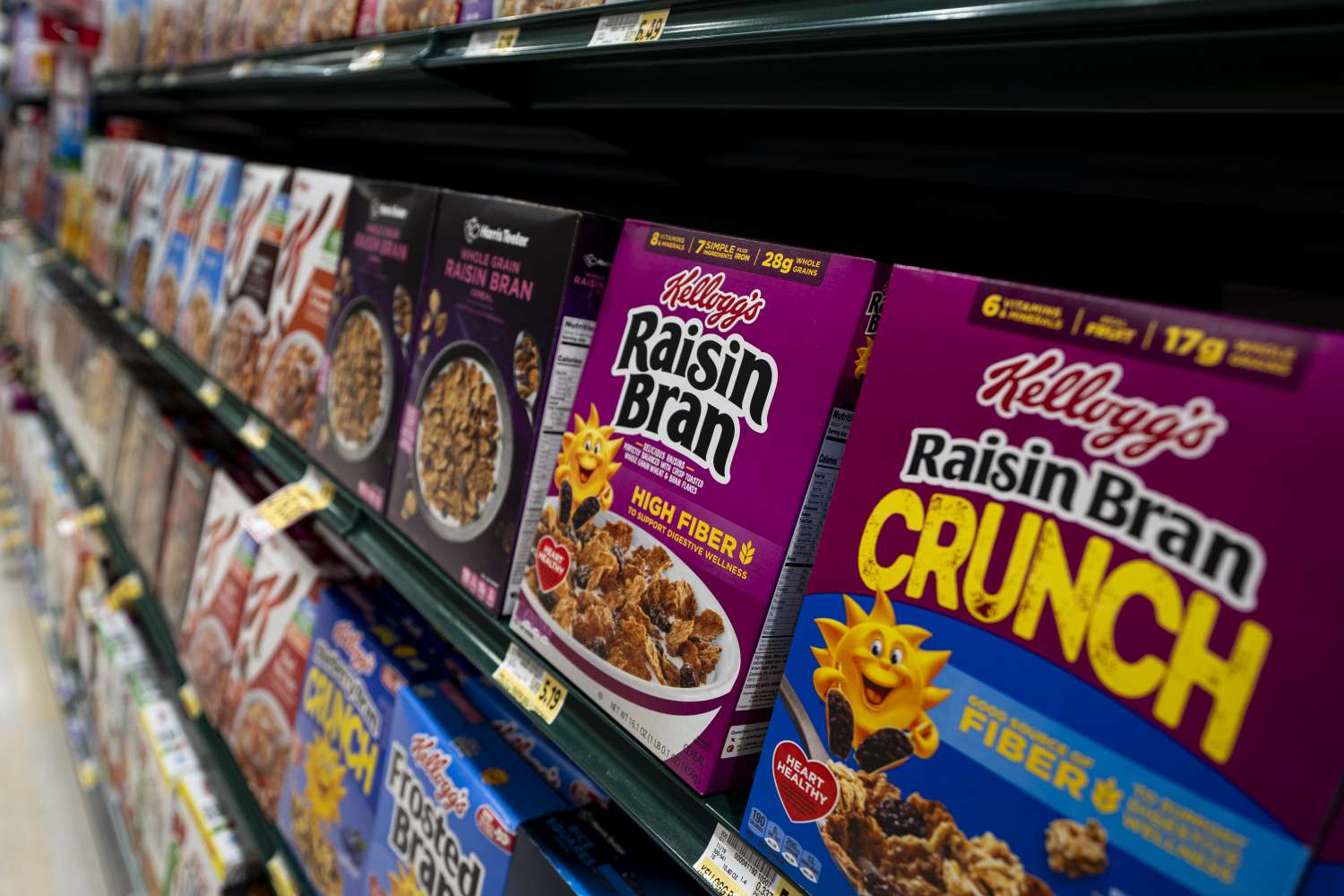
And cereal giant Kellogg’s, in its first-ever Super Bowl ad, hired “Will Shat”—a.k.a. Star Trek star William Shatner—to tout the digestive benefits of high-fiber Raisin Bran. Doritos Protein is hitting grocery aisles this month.
Beverage companies are also getting in on the action. They’re leaning into prebiotics, a type of fiber that feeds the trillions of bacteria that call the human digestive system home. PepsiCo (PEP) acquired prebiotic soda maker Poppi for nearly $2 billion last year, and launched its own Pepsi Prebiotic Cola nationwide earlier this year.
While fibermaxxing and the industry response to it may increase the availability and appeal of fiber-rich foods, affordability is another matter entirely. Consumers often pay a premium for products that are branded organic or healthy, and the average American is already feeling pretty pinched at the grocery checkout.
“Closing the fiber gap will require structural solutions that make high-fiber foods more available, affordable, and intuitive for consumers to choose,” says Pumper.