Your support helps us to tell the story
From reproductive rights to climate change to Big Tech, The Independent is on the ground when the story is developing. Whether it’s investigating the financials of Elon Musk’s pro-Trump PAC or producing our latest documentary, ‘The A Word’, which shines a light on the American women fighting for reproductive rights, we know how important it is to parse out the facts from the messaging.
At such a critical moment in US history, we need reporters on the ground. Your donation allows us to keep sending journalists to speak to both sides of the story.
The Independent is trusted by Americans across the entire political spectrum. And unlike many other quality news outlets, we choose not to lock Americans out of our reporting and analysis with paywalls. We believe quality journalism should be available to everyone, paid for by those who can afford it.
Your support makes all the difference.Read more
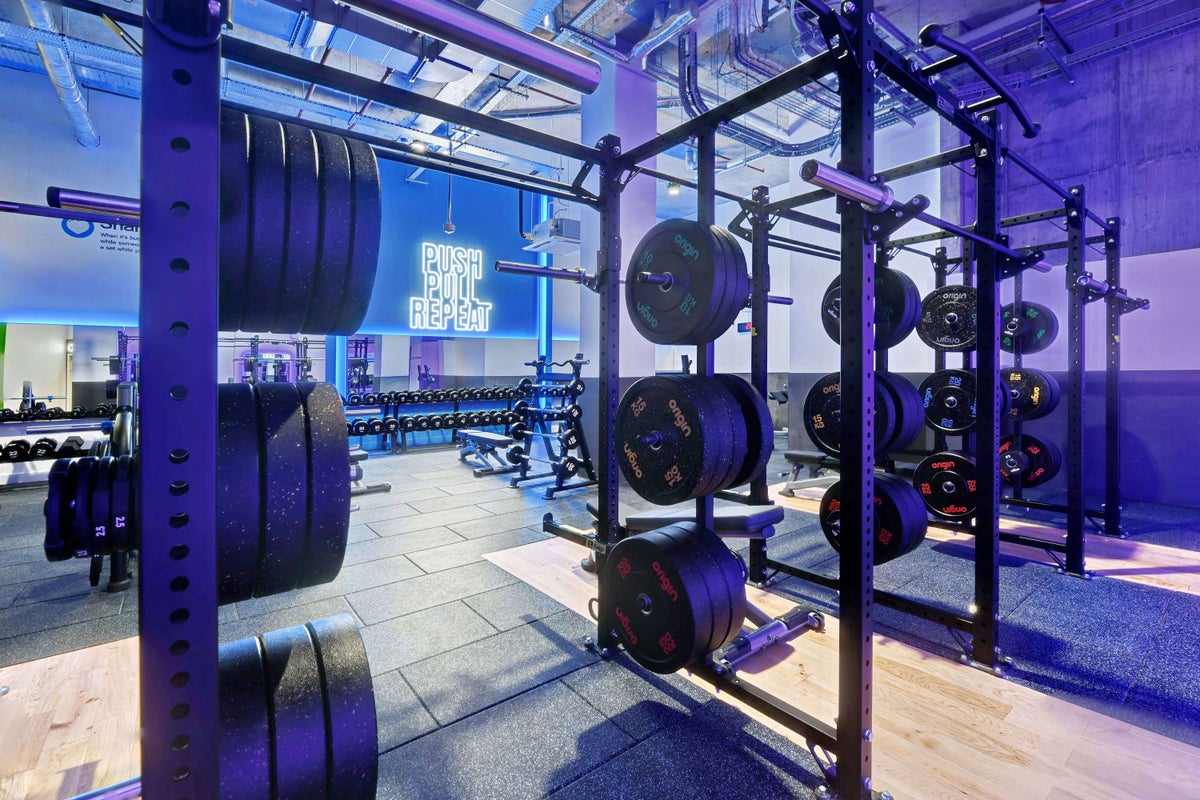
Fitness fans are swapping cardio for strength, the boss of The Gym Group has said, as it dedicates more space and equipment to muscle into the growing market.
The operator of 260 gyms in the UK, with about a million members, said it had benefitted from a post-Christmas boom in new members.
Average membership increased by 4% over 2025 compared with 2024, and the group’s sales rose by 8% year-on-year to £245 million.
Revenues in January and February, peak months for new members, increased by 9% compared with the same period last year.
Will Orr, chief executive of The Gym Group, said the company had seen “a kind of evolution in the direction of strength at the expense of cardio” at its sites, with members wanting to “feel and also look strong”.
“Cardio is still really important and you will see lots of treadmills in our gyms, but proportionately, versus when the business first started, you’ll see more of the space being dedicated to weights, and in some cases some quite sophisticated machinery,” he told the Press Association.
The boss referred to equipment such as more advanced weightlifting machines and glute trainers as “aspirational kit” that appeals to gym goers wanting to build up their workouts.
“There is a mental health dimension to it which is a real motivator,” Mr Orr added.
The Gym Group says it is a pioneer of the low-cost gym model, with sites open 24 hours a day, seven days a week, and flexible memberships that allow people to cancel any time.
Standard membership prices increased by about £1 year-on-year, averaging at £25.64 a month, as a result of higher joining fees and rises for new members.
Mr Orr said the average age of its members was around 30, while Gen Z – generally people born between 1997 and 2012 – formed about 44% of members last year.
Around three-quarters of Gen Z members exercise at least twice a week, according to the group.
The Gym Group opened 16 new sites in 2025, primarily around London, while it is targeting at least another 20 in 2026 and 75 over the next three years.
The company’s adjusted pre-tax profit nearly tripled year-on-year from £3.6 million to £10.6 million.
Mr Orr acknowledged a growing cohort of upmarket gyms that typically offer a range of services such as saunas, cafes and co-working spaces, for a higher price.
He said he does not see The Gym Group “getting into things like cafes” but it was conscious of gyms being a “social space” for its members.
The chief executive also pointed to people “trading down from the midmarket” in search of a lower-cost deal.