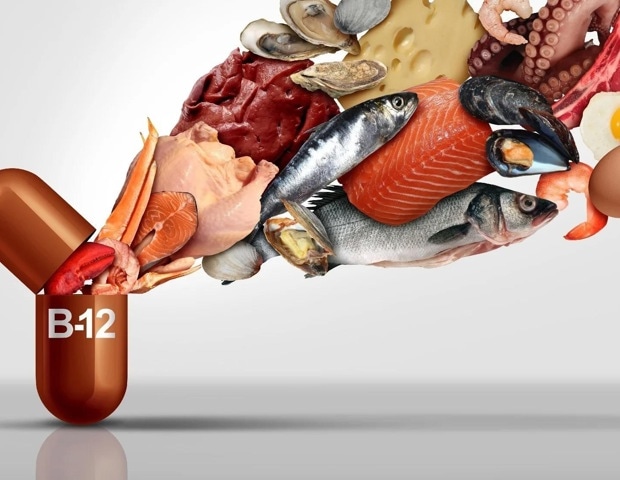
Weight loss continues to dominate America’s New Year’s resolutions, and since 2025, a new category of medications has been driving unprecedented change. GLP-1 drugs such as Ozempic and Wegovy are now used by nearly 12% of U.S. adults for weight loss, according to recent survey data.
The medications mimic the hormone glucagon-like peptide-1, which slows stomach emptying, regulates blood sugar, and signals fullness to the brain. For many people, the result is dramatic weight loss and reduced appetite.
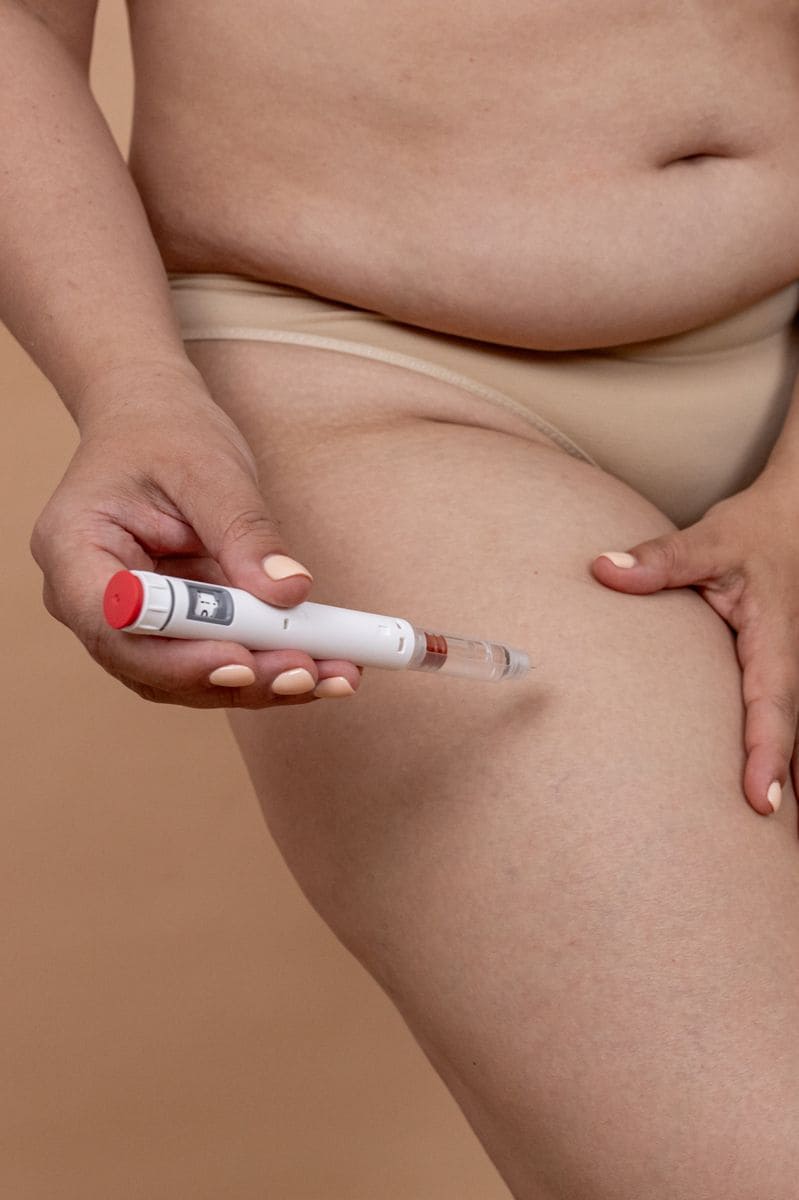 © Getty ImagesExperts say rapid appetite suppression and calorie reduction can affect nutrient intake, muscle mass, bone density, heart health, and metabolic balance.
Yet as millions lose weight quickly, physicians and nutrition specialists are increasingly focused on the potential health trade-offs. Experts say rapid appetite suppression and calorie reduction can affect nutrient intake, muscle mass, bone density, heart health, and metabolic balance if patients are not closely monitored.
Nutrient Intake Drops as Appetite Disappears
Corry Matthews, MS, BA, a nutrition and fitness expert with more than 25 years of experience in exercise physiology and sports nutrition, says the biggest issue is not absorption problems but simply eating too little.
GLP-1 receptor agonists slow gastric emptying and activate satiety signals in the brain, dramatically reducing hunger. When appetite disappears, patients may unintentionally consume far fewer nutrients than the body needs.
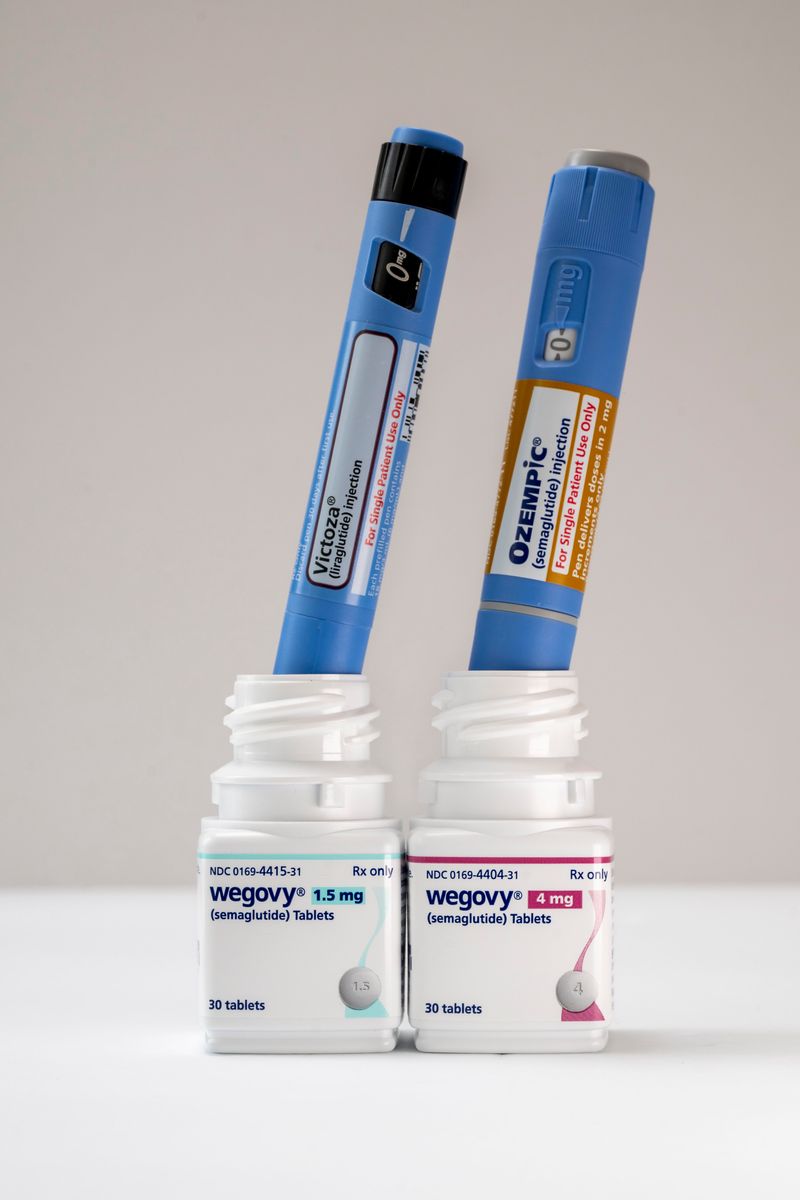 © UCG/Universal Images Group via G Wegovy, Ozempic, and Victoza are prescription medicines used with a reduced-calorie diet and physical activity.
Matthews explains that when people eat less overall, they can easily miss essential vitamins, minerals, and protein unless they deliberately prioritize nutrient-dense foods. This can create a cascade of issues over time. Fatigue, brittle nails, hair thinning, and low energy are among the early warning signs clinicians may notice when nutrient intake drops too low.
Protein intake is particularly important. When calorie intake falls significantly, the body may begin breaking down muscle tissue to meet its energy needs. Without enough dietary protein and resistance training, lean muscle loss can occur during rapid weight loss.
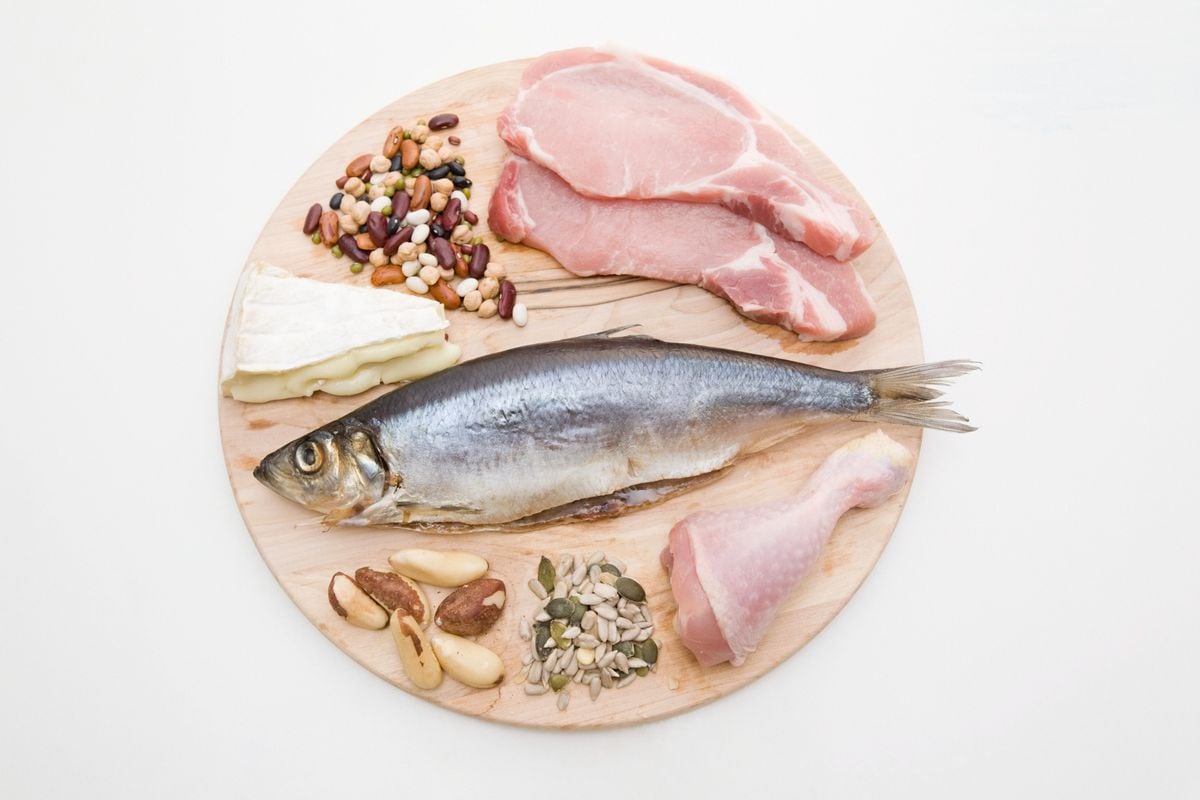
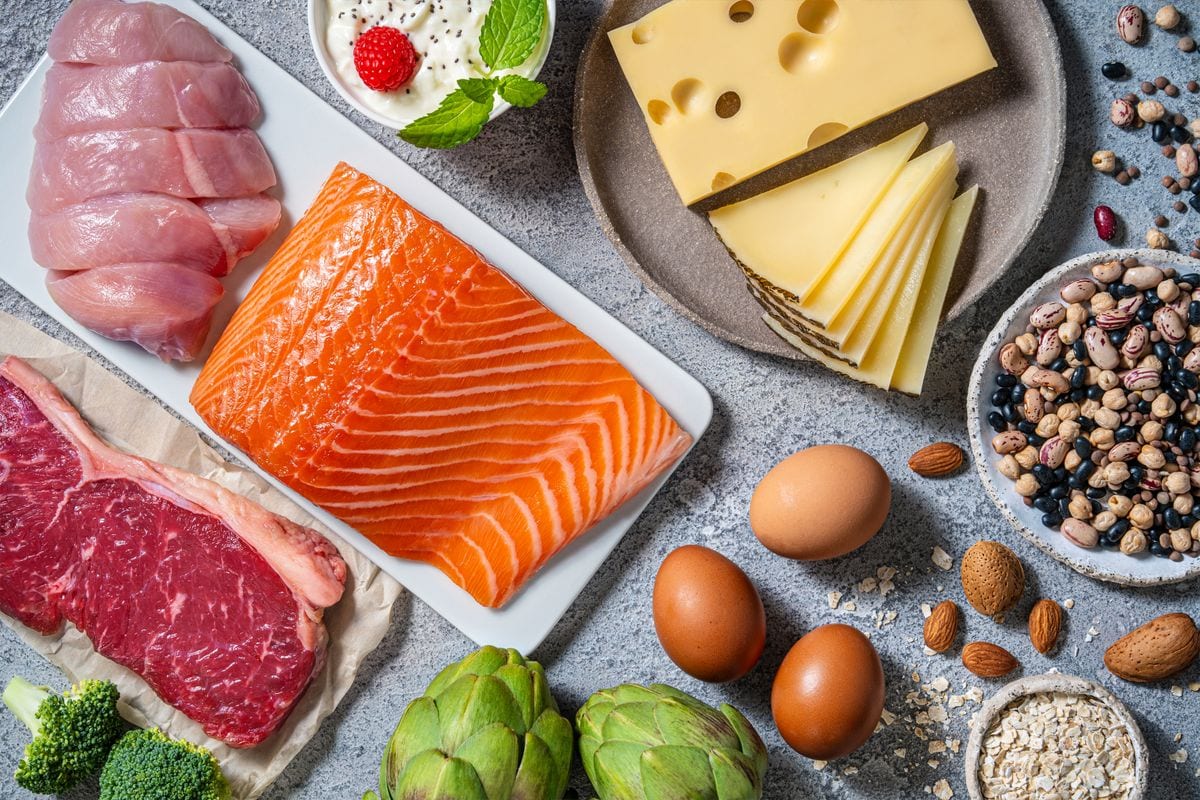 © Getty ImagesAssorted healthy protein source food good for body building ingredients as: salmon, chicken, beef, fish, eggs, beans legumes and nuts, artichoke, broccoli, cheese, yogurt, and eggs.
For this reason, Matthews advises patients using GLP-1 medications to focus on high-quality protein at every meal, combined with vegetables and fiber-rich foods that help support digestion and prevent constipation, a common side effect of the drugs.
Bone Density Concerns During Rapid Weight Loss
Another emerging concern involves bone health. Rheumatologist Adam Kreitenberg shares with HOLA! that rapid weight loss may affect bone density, especially in populations already vulnerable to bone loss.
“Supporting bone density—which can be impacted by rapid weight loss—is critical, especially for older adults and post-menopausal women,” he explains.
When calorie intake drops and body weight declines quickly, bone turnover may accelerate. If patients are not consuming enough calcium, vitamin D, and other bone-supporting nutrients, the risk of osteopenia or osteoporosis could increase over time.
 © Getty Images/Connect ImagesGLP-1 drugs like Ozempic and Wegovy are driving major weight loss trends in 2025, but doctors warn that rapid weight loss may affect nutrition, bone density, heart health, and blood sugar balance.
Kreitenberg says nutritional strategies that prioritize bone-building nutrients can help counterbalance the appetite suppression associated with GLP-1 medications. His clinical research has focused on nutritional formulations designed to support skeletal health during weight loss.
Cardiovascular Energy and Nitric Oxide Support
Heart health is another area receiving increased attention from physicians studying GLP-1 weight loss patients. Interventional cardiologist Heather Shenkman says fatigue is a common complaint among patients who dramatically reduce calorie intake.
When nutrient consumption drops, the body may struggle to maintain optimal energy production and circulation. “Supporting nitric oxide production and filling nutritional gaps that come with appetite suppression can help offset fatigue and maintain heart function,” Shenkman says.
Nitric oxide plays a central role in cardiovascular health. It relaxes blood vessels, improves circulation, and helps regulate blood pressure.
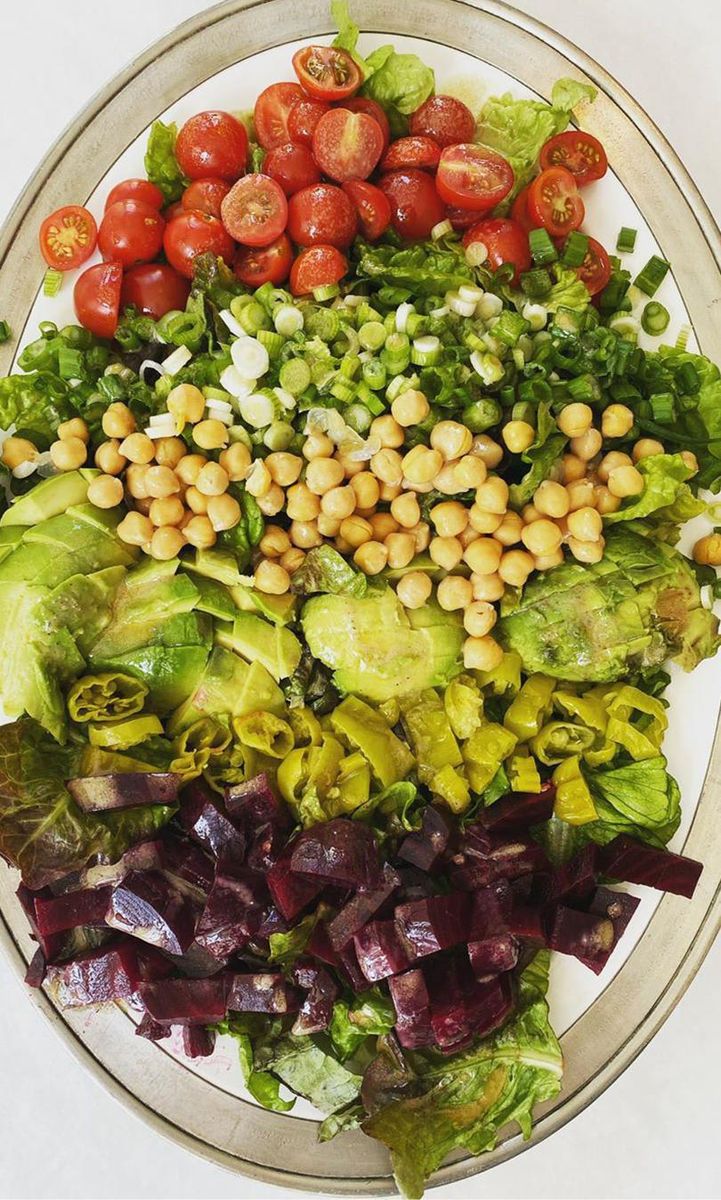 © @gwynethpaltrowCertain foods, including beets, are known to naturally stimulate nitric oxide production in the body
Certain foods, including beets, are known to naturally stimulate nitric oxide production in the body. Nutrient-rich dietary strategies may help support cardiovascular performance while patients experience significant weight changes.
Blood Sugar Rebound After Stopping GLP-1 Medications
GLP-1 drugs were originally developed to treat type 2 diabetes because of their powerful ability to regulate blood glucose levels. However, experts say patients discontinuing these medications may experience sharp metabolic shifts.
When appetite returns and medication effects fade, blood sugar levels can rebound rapidly. Some physicians describe this phenomenon as metabolic “whiplash.”
Shenkman notes that the transition off GLP-1 medications can be challenging for many patients. “Supporting healthy blood sugar metabolism can ease the metabolic shift many GLP-1 users feel,” she explains.
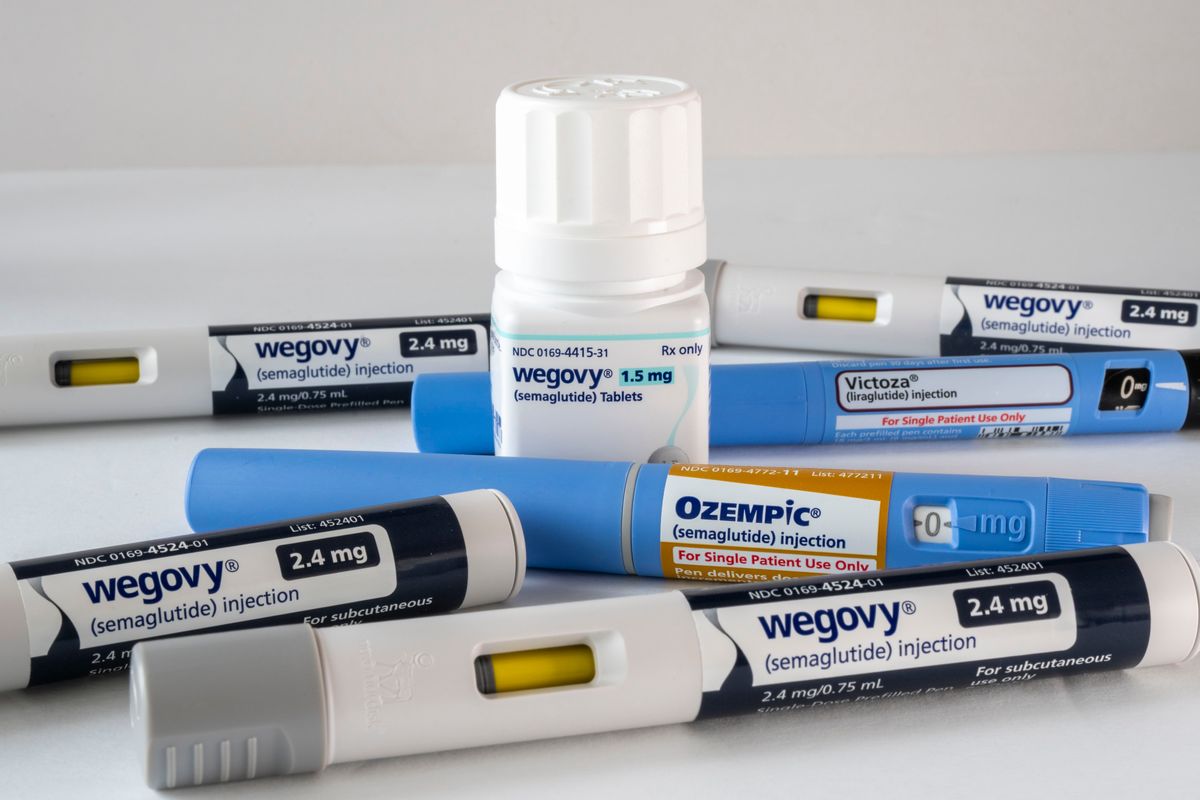 © UCG/Universal Images Group via GA prescription medicine used with a reduced-calorie diet and physical activity.
Nutrition strategies focused on stable carbohydrate intake, fiber, and metabolic support may help patients maintain balanced glucose levels during this transition period.
Monitoring the Full Health Picture
The growing popularity of GLP-1 drugs has transformed obesity treatment, but clinicians emphasize that weight loss alone should not be the only measure of success.
Matthews says monitoring body composition is essential. Patients may lose weight on the scale while also losing muscle mass if nutrition and strength training are neglected.
 © Getty ImagesWeight-loss progress thanks to a semaglutide injector
Healthcare providers are increasingly advising patients to focus on preserving lean muscle, supporting bone health, maintaining cardiovascular function, and ensuring adequate nutrient intake.
For many experts, the message is simple: GLP-1 medications can be powerful tools, but long-term health depends on how they are used.
Patients who combine these medications with intentional nutrition, strength training, and medical guidance are more likely to maintain muscle mass, protect bone density, and sustain metabolic health while losing weight.