March 11, 2026
Blocking a single protein could make HPVpositive tumors treatable
Why this matters:
HPV-positive head and neck cancer cases have increased at epidemic rates in the United States over the past few decades.
The study solves a major mystery in cancer immunology by uncovering how HPV hides cancer cells from the immune system by using MARCHF8 to destroy MHC-I, which serves as a warning flag for the immune system.
The discovery opens a potential path to new cancer therapies, pointing to the development of drugs that block MARCHF8 to treat patients who currently have no effective treatment options.
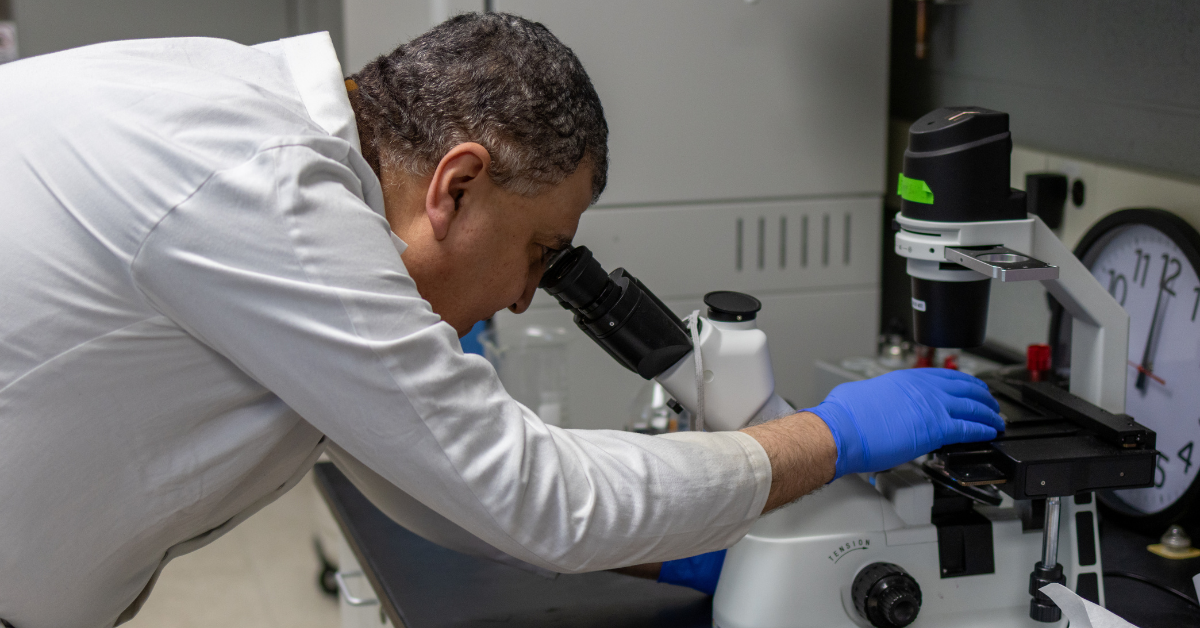
A team of scientists at Michigan State University has uncovered a mechanism that allows certain head and neck cancers to hide from the immune system, a discovery that could change how some of the most treatment resistant tumors are approached. The study, published in Proceedings of the National Academy of Sciences, or PNAS, identifies a single protein at the heart of this invisibility and shows that removing it can make hidden tumors vulnerable to treatment.
For years, physicians and researchers have known that these cancers, which are associated with the Human Papillomavirus, or HPV, lack the markers cells use to signal distress, known as MHCI molecules. Without these molecular red flags, the immune system simply doesn’t see that there is a problem with the cell. Until now, the field had only fragments of the explanation.
The MSU team, led by Dohun Pyeon, Ph.D., professor in the Department of Microbiology, Genetics, & Immunology, has now demonstrated that HPV coopts a protein called MARCHF8 to dismantle those markers before the immune system can recognize the cancer cells. When the researchers removed MARCHF8 in experimental models, the immune system immediately began clearing the tumors — even in cases where standard immunotherapy had previously failed.
The effect was striking. Without MARCHF8, immune cells such as CD8+ T cells and natural killer cells rapidly entered the tumor microenvironment, restoring an immune response that had been absent.
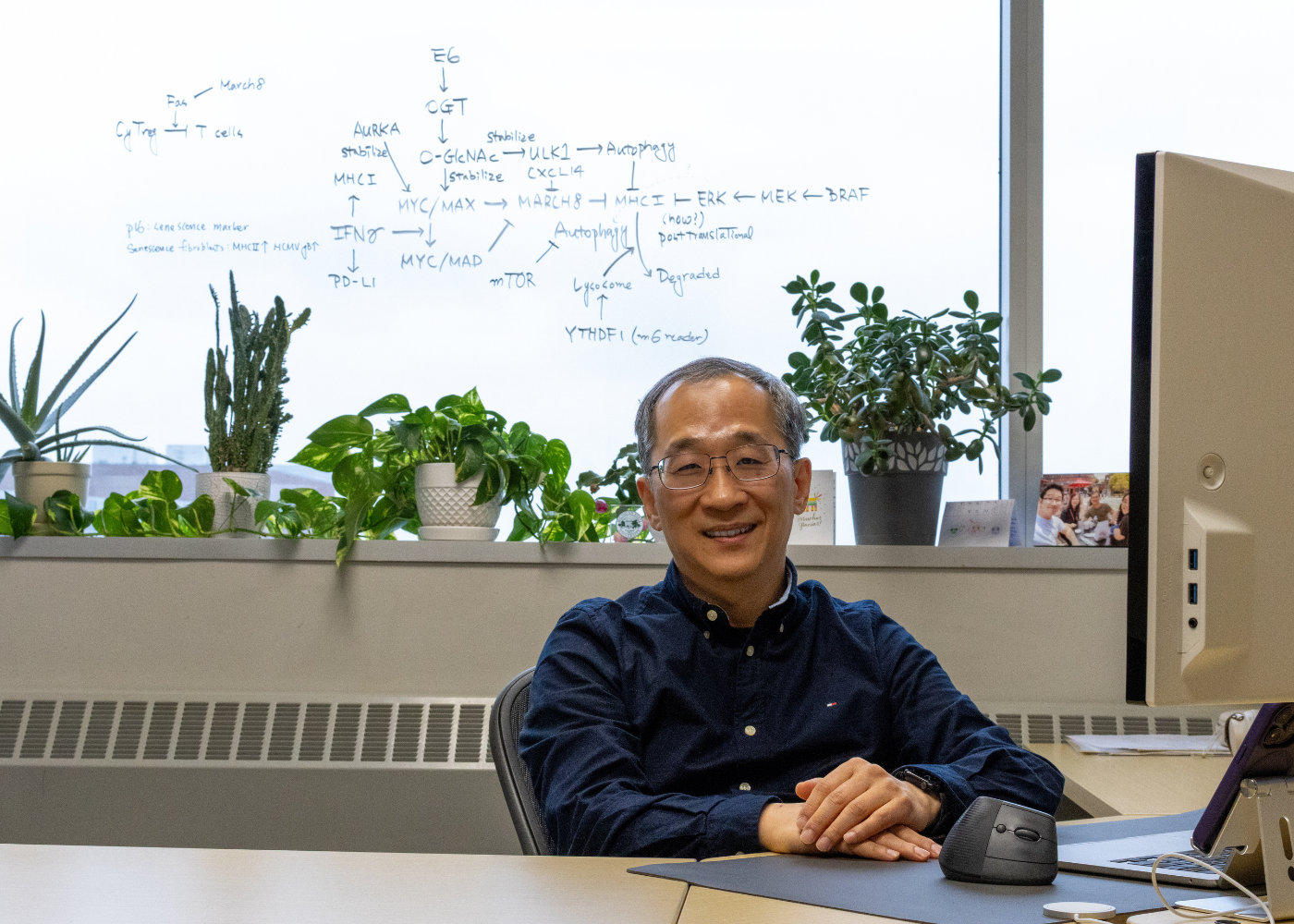
“The most exciting part is that our discovery worked on tumors that were previously impossible to treat,” said Pyeon.
“By combining this new genetic approach with standard immunotherapy drugs, we were able to turn “cold” tumors that typically ignore treatment into “hot” tumors where the immune system can prevail,” he said. “This suggests that in the future, we might be able to help patients who currently have no other options by simply stopping the cancer from shredding its red flags.”
 Mohamed Khalil, Ph.D., research assistant professor in the Department of Microbiology, Genetics, & Immunology, is the first author on the paper. He explained that knocking out MARCHF8 not only suppressed tumor growth but also enhanced the anti-tumor immune response.
“We found that the MARCHF8 knockout activated T cells and enhanced T cells, natural killer cells, and macrophage infiltration into the tumor microenvironment,” said Khalil. “I think we have very promising hope for targeting MARCHF8.”
Paving the way for future clinical tools
Next, the researchers plan to determine how different immune cells assist T cells in killing tumor cells once the MHCI markers are restored. Natural killer cells, in particular, appear to play a larger role than previously understood. With this groundwork in place, the team’s goal is to develop a drug that blocks MARCHF8 in humans. This would allow doctors to combine the new MARCHF8-blocking therapy with existing immunotherapies, offering a lifeline to patients with tumors that currently resist all other treatments.
This work has been funded by the National Institutes of Health Multi-PI R01 grant, the MSU Foundation Strategic Partnership Grant, and the Henry Ford + MSU Cancer Integration Grant.
By Debbie Walton
Media Contact | Emily Linnert