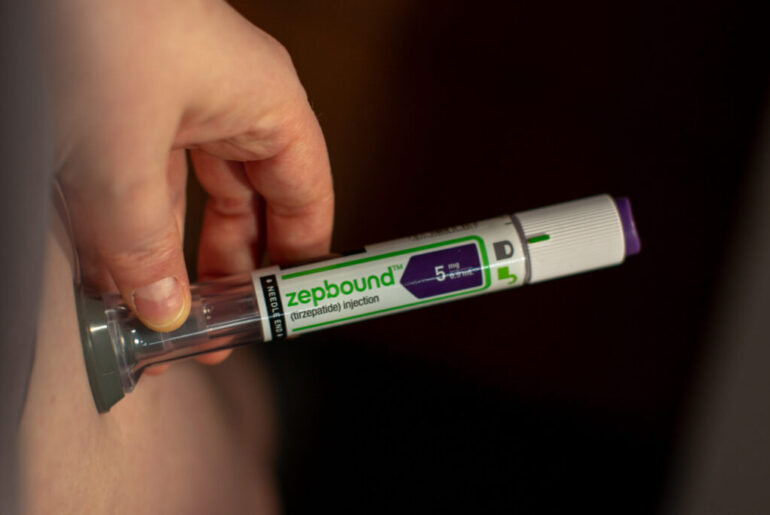
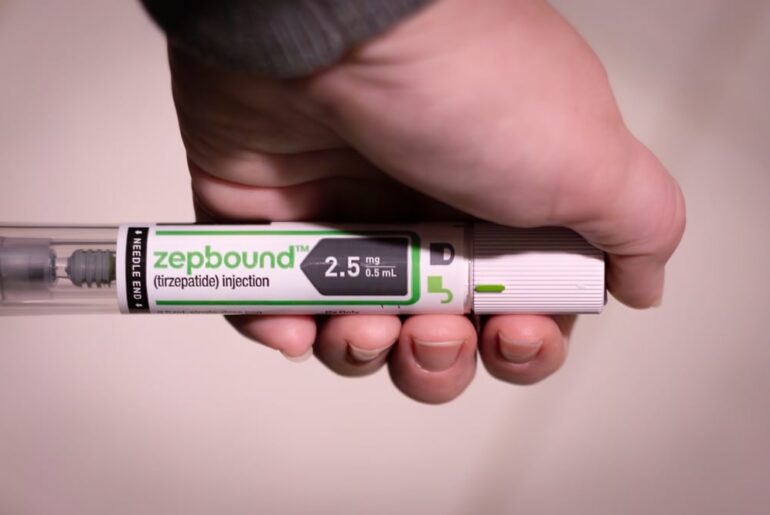
Lilly is issuing a public warning about potential safety risks associated with compounded tirzepatide mixed with vitamin B12. As part of our commitment to patient safety, Lilly tested compounded products being marketed to Americans that contain tirzepatide combined with B12 (sometimes referred to as methylcobalamin, hydroxocobalamin, or cyanocobalamin). Our testing has uncovered significant levels of an impurity that results from a chemical reaction between tirzepatide and B12.
The impurity caused by the interaction between B12 and compounded tirzepatide is concerning because nothing is known about its short- or long-term effects in humans, the potential impact on the drug’s interaction with the GLP-1 and GIP receptors, toxicity, immune reactions, or how it is absorbed, distributed, metabolized and eliminated. The risks to patients are unknown because tirzepatide has never been studied in combination with B12 and the compounders making these combination drugs are not required to monitor or report adverse events. People receiving tirzepatide-B12 products from compounders, telehealth companies, medspas, or anyone else should be aware that they may be using a potentially dangerous product with unknown risks. Lilly has notified the U.S. Food and Drug Administration (FDA) about these findings and recommends that people using these untested products contact their physicians for advice and discussion on alternative treatment options.
Lilly has repeatedly expressed grave concerns about the safety of mass-compounded knockoffs of our tirzepatide medicines, Mounjaro® and Zepbound®, and we applaud the FDA’s recent announcement of its intent to take decisive action against the mass distribution of illegally compounded anti-obesity drugs. Even before its recent announcement, the FDA has consistently warned patients that compounded products “pose a higher risk” than FDA-approved medicines, because the FDA does not review compounded drugs’ safety, effectiveness or quality. Although the FDA and a federal court have confirmed that mass-compounding of tirzepatide must stop, some entities continue to do it, claiming to offer “personalized” versions by adding untested additives, such as B12, to compounded tirzepatide. In reality, these products are not “personalized” at all. Most sellers put the same untested additives in all their tirzepatide knockoffs to try to evade FDA regulations. Our testing results of these so-called “personalized” compounded tirzepatide products show they may pose even greater risks to patients than previously known.
The potential for dangerous interactions between tirzepatide compounded with other additives remains unknown
Our discovery of this new impurity created when tirzepatide is compounded with B12 highlights the risks to patients of haphazardly mixing untested additives with complex molecules like tirzepatide without rigorous testing, clinical trials and FDA approval. B12 is just one of the many untested additives used in the mass production of compounded GLP-1s under the guise of “personalization.” Mass compounders and supposed “personalizers” seeking to circumvent the law are also mixing tirzepatide with glycine, pyridoxine, niacinamide, carnitine, or other chemicals, creating a range of new and untested combination drugs. These additives have no proven clinical benefit for patients taking tirzepatide, and the resulting combinations introduce unknown risks for patients. We also continue to find other critical safety issues in compounded tirzepatide knockoffs, including bacterial contamination, high endotoxin levels, and other impurities that are not present in Lilly’s FDA-approved medicines.
The continued widespread distribution of untested compounded drugs is an unacceptable risk for patients. The FDA’s recent actions are an important step to enforce the law and protect patients, and we urgently call on other regulators and law enforcement to do the same. We also urge the FDA to continue taking action against unlawful mass compounding of tirzepatide that puts the American public at risk, including by requesting a recall of all compounded tirzepatide combined with untested additives like B12.
# # #
ZEPBOUND® (TIRZEPATIDE) INDICATION AND SAFETY SUMMARY WITH WARNINGS
Zepbound is an injectable prescription medicine that may help adults with:
obesity, or some adults with overweight who also have weight-related medical problems to lose excess body weight and keep the weight off.moderate-to-severe obstructive sleep apnea (OSA) and obesity to improve their OSA.
It should be used with a reduced-calorie diet and increased physical activity.
Zepbound contains tirzepatide and should not be used with other tirzepatide-containing products or any GLP-1 receptor agonist medicines. It is not known if Zepbound is safe and effective for use in children.
Warnings - Zepbound may cause tumors in the thyroid, including thyroid cancer. Watch for possible symptoms, such as a lump or swelling in the neck, hoarseness, trouble swallowing, or shortness of breath. If you have any of these symptoms, tell your healthcare provider.
Do not use Zepbound if you or any of your family have ever had a type of thyroid cancer called medullary thyroid carcinoma (MTC).Do not use Zepbound if you have Multiple Endocrine Neoplasia syndrome type 2 (MEN 2).Do not use Zepbound if you have had a serious allergic reaction to tirzepatide or any of the ingredients in Zepbound.
KwikPen®: Do not share your KwikPen with other people, even if the pen needle has been changed. You may give other people a serious infection or get a serious infection from them.
Zepbound may cause serious side effects, including:
Severe stomach problems. Stomach problems, sometimes severe, have been reported in people who use Zepbound. Tell your healthcare provider if you have stomach problems that are severe or will not go away.
Dehydration leading to kidney problems. Diarrhea, nausea, and vomiting may cause a loss of fluids (dehydration), which may cause kidney problems. It is important for you to drink fluids to help reduce your chance of dehydration.
Gallbladder problems. Gallbladder problems have happened in some people who use Zepbound. Tell your healthcare provider right away if you get symptoms of gallbladder problems, which may include pain in your upper stomach (abdomen), fever, yellowing of skin or eyes (jaundice), or clay-colored stools.
Inflammation of the pancreas (pancreatitis). Stop using Zepbound and call your healthcare provider right away if you have severe pain in your stomach area (abdomen) that will not go away, with or without vomiting. You may feel the pain from your abdomen to your back.
Serious allergic reactions. Stop using Zepbound and get medical help right away if you have any symptoms of a serious allergic reaction, including swelling of your face, lips, tongue or throat, problems breathing or swallowing, severe rash or itching, fainting or feeling dizzy, or very rapid heartbeat.
Low blood sugar (hypoglycemia). Your risk for getting low blood sugar may be higher if you use Zepbound with medicines that can cause low blood sugar, such as a sulfonylurea or insulin. Signs and symptoms of low blood sugar may include dizziness or light-headedness, sweating, confusion or drowsiness, headache, blurred vision, slurred speech, shakiness, fast heartbeat, anxiety, irritability, mood changes, hunger, weakness or feeling jittery.
Changes in vision in patients with type 2 diabetes. Tell your healthcare provider if you have changes in vision during treatment with Zepbound.
Depression or thoughts of suicide. You should pay attention to changes in your mood, behaviors, feelings or thoughts. Call your healthcare provider right away if you have any mental changes that are new, worse, or worry you.
Food or liquid getting into the lungs during surgery or other procedures that use anesthesia or deep sleepiness (deep sedation). Zepbound may increase the chance of food getting into your lungs during surgery or other procedures. Tell all your healthcare providers that you are taking Zepbound before you are scheduled to have surgery or other procedures.
Common side effects
The most common side effects of Zepbound include nausea, diarrhea, vomiting, constipation, stomach (abdominal) pain, indigestion, injection site reactions, feeling tired, allergic reactions, belching, hair loss, and heartburn. These are not all the possible side effects of Zepbound. Talk to your healthcare provider about any side effect that bothers you or doesn’t go away.
Tell your doctor if you have any side effects. You can report side effects at 1-800-FDA-1088 or www.fda.gov/medwatch.
Before using Zepbound
Your healthcare provider should show you how to use Zepbound before you use it for the first time.Talk to your healthcare provider about low blood sugar and how to manage it. Tell your healthcare provider if you are taking medicines to treat diabetes including an insulinor sulfonylurea.If you take birth control pills by mouth, talk to your healthcare provider before you use Zepbound. Birth control pills may not work as well while using Zepbound. Your healthcare provider may recommend another type of birth control for 4 weeks after you start Zepbound and for 4 weeks after each increase in your dose of Zepbound.
Review these questions with your healthcare provider:
Do you have other medical conditions, including problems with your pancreas, or severe problems with your stomach, such as slowed emptying of your stomach (gastroparesis) or problems digesting food?Do you take diabetes medicines, such as insulin or sulfonylureas?Do you have a history of diabetic retinopathy?Are you scheduled to have surgery or other procedures that use anesthesia or deep sleepiness (deep sedation)?Do you take any other prescription medicines or over-the-counter drugs, vitamins, or herbal supplements?Are you pregnant, plan to become pregnant, breastfeeding, or plan to breastfeed? Zepbound may harm your unborn baby. Tell your healthcare provider if you become pregnant while using Zepbound. Zepbound may pass into your breast milk. You should talk with your healthcare provider about the best way to feed your baby while using Zepbound.Pregnancy Exposure Registry: There will be a pregnancy exposure registry for women who have taken Zepbound during pregnancy. The purpose of this registry is to collect information about the health of you and your baby. Talk to your healthcare provider about how you can take part in this registry, or you may contact Lilly at 1-800-LillyRx (1-800-545-5979).
How to take
Read the Instructions for Use that come with Zepbound.Use Zepbound exactly as your healthcare provider says.Use Zepbound with a reduced-calorie diet and increased physical activity.Inject Zepbound under the skin (subcutaneously) of your stomach (abdomen), thigh, or have another person inject in the back of the upper arm. Do not inject ZEPBOUND into a muscle (intramuscularly) or vein (intravenously).Use Zepbound 1 time each week, at any time of the day.Change (rotate) your injection site with each weekly injection. Do not use the same site for each injection.If you take too much Zepbound, call your healthcare provider, call the Poison Help line at 1-800-222-1222 or go to the nearest hospital emergency room right away.
Zepbound is approved as a 2.5 mg, 5 mg, 7.5 mg, 10 mg, 12.5 mg, and 15 mg injection.
Learn more
Zepbound is a prescription medicine. For more information, call 1-800-LillyRx (1-800-545-5979).
This summary provides basic information about Zepbound but does not include all information known about this medicine. Read the information that comes with your prescription each time your prescription is filled. This information does not take the place of talking with your healthcare provider. Be sure to talk to your healthcare provider about Zepbound and how to take it. Your healthcare provider is the best person to help you decide if Zepbound is right for you.
ZP CON BS Q12026
MOUNJARO® (TIRZEPATIDE) INDICATION AND SAFETY SUMMARY WITH WARNINGS
Mounjaro is an injectable prescription medicine that is used along with diet and exercise to improve blood sugar (glucose) in adults and children 10 years of age and older with type 2 diabetes mellitus.
It is not known if Mounjaro is safe and effective for use in children under 10 years of age.
Warnings – Mounjaro may cause tumors in the thyroid, including thyroid cancer. Watch for possible symptoms, such as a lump or swelling in the neck, hoarseness, trouble swallowing, or shortness of breath. If you have any of these symptoms, tell your healthcare provider.
Do not use Mounjaro if you or any of your family have ever had a type of thyroid cancer called medullary thyroid carcinoma (MTC).Do not use Mounjaro if you have Multiple Endocrine Neoplasia syndrome type 2 (MEN 2).Do not use Mounjaro if you are allergic to it or any of the ingredients in Mounjaro.
Mounjaro may cause serious side effects, including:
Inflammation of the pancreas (pancreatitis). Stop using Mounjaro and call your healthcare provider right away if you have severe pain in your stomach area (abdomen) that will not go away, with or without nausea or vomiting. Sometimes you may feel the pain from your abdomen to your back.
Low blood sugar (hypoglycemia). Your risk for getting low blood sugar may be higher if you use Mounjaro with another medicine that can cause low blood sugar, such as a sulfonylurea or insulin. Signs and symptoms of low blood sugar may include dizziness or light-headedness, sweating, confusion or drowsiness, headache, blurred vision, slurred speech, shakiness, fast heartbeat, anxiety, irritability, or mood changes, hunger, weakness and feeling jittery.
Serious allergic reactions. Stop using Mounjaro and get medical help right away if you have any symptoms of a serious allergic reaction, including swelling of your face, lips, tongue or throat, problems breathing or swallowing, severe rash or itching, fainting or feeling dizzy, and very rapid heartbeat.
Dehydration leading to kidney problems. Diarrhea, nausea, and vomiting may cause a loss of fluids (dehydration), which may cause kidney problems. It is important for you to drink fluids to help reduce your chance of dehydration. Tell your healthcare provider right away if you have nausea, vomiting, or diarrhea that does not go away.
Severe stomach problems. Stomach problems, sometimes severe, have been reported in people who use Mounjaro. Tell your healthcare provider if you have stomach problems that are severe or will not go away.
Changes in vision. Tell your healthcare provider if you have changes in vision during treatment with Mounjaro.
Gallbladder problems. Gallbladder problems have happened in some people who use Mounjaro. Tell your healthcare provider right away if you get symptoms of gallbladder problems, which may include pain in your upper stomach (abdomen), fever, yellowing of skin or eyes (jaundice), and clay-colored stools.
Food or liquid getting into the lungs during surgery or other procedures that use anesthesia or deep sleepiness (deep sedation). Mounjaro may increase the chance of food getting into your lungs during surgery or other procedures. Tell all your healthcare providers that you are taking Mounjaro before you are scheduled to have surgery or other procedures.
Common side effects
The most common side effects of Mounjaro include nausea, diarrhea, decreased appetite, vomiting, constipation, indigestion, and stomach (abdominal) pain. These are not all the possible side effects of Mounjaro. Talk to your healthcare provider about any side effect that bothers you or doesn’t go away.
Tell your healthcare provider if you have any side effects. You can report side effects at 1-800-FDA-1088 or www.fda.gov/medwatch.
Before using Mounjaro
Your healthcare provider should show you how to use Mounjaro before you use it for the first time.Talk to your healthcare provider about low blood sugar and how to manage it.If you take birth control pills by mouth, talk to your healthcare provider before you use Mounjaro. Birth control pills may not work as well while using Mounjaro. Your healthcare provider may recommend another type of birth control for 4 weeks after you start Mounjaro and for 4 weeks after each increase in your dose of Mounjaro.
Review these questions with your healthcare provider:
Do you have other medical conditions, including problems with your pancreas, or severe problems with your stomach, such as slowed emptying of your stomach (gastroparesis) or problems digesting food?Do you take other diabetes medicines, such as insulin or sulfonylureas?Do you have a history of diabetic retinopathy?Are you scheduled to have surgery or other procedures that use anesthesia or deep sleepiness (deep sedation)?Are you pregnant, plan to become pregnant, breastfeeding, or plan to breastfeed? It is not known if Mounjaro will harm your unborn baby. Mounjaro may pass into your breast milk.Do you take any other prescription medicines or over-the-counter drugs, vitamins, or herbal supplements?
How to take
Read the Instructions for Use that come with Mounjaro.Use Mounjaro exactly as your healthcare provider says.A caregiver may give you Mounjaro injections, or you may self-inject if a healthcare provider determines that it is appropriate.Inject Mounjaro under the skin (subcutaneously) of your stomach (abdomen), thigh, or another person should inject in the back of your upper arm. Do not inject Mounjaro into a muscle (intramuscularly) or vein (intravenously).Use Mounjaro 1 time each week, at any time of the day.Do not mix insulin and Mounjaro together in the same injection.You may give an injection of Mounjaro and insulin in the same body area (such as your stomach area), but not right next to each other.Change (rotate) your injection site with each weekly injection. Do not use the same site for each injection.If you take too much Mounjaro, call your healthcare provider or Poison Help line at 1-800-222-1222 or go to the nearest hospital emergency room right away.
Learn more
Mounjaro is a prescription medicine available as a pre-filled single-dose pen in 2.5 mg, 5 mg, 7.5 mg, 10 mg, 12.5 mg, or 15 mg per 0.5 mL injection. For more information, call 1-800-LillyRX (800-545-5979) or go to www.mounjaro.lilly.com.
This summary provides basic information about Mounjaro but does not include all information known about this medicine. Read the information that comes with your prescription each time your prescription is filled. This information does not take the place of talking with your healthcare provider. Be sure to talk to your healthcare provider about Mounjaro and how to take it. Your healthcare provider is the best person to help you decide if Mounjaro is right for you.
TR CON CBS 19DEC2025
Mounjaro® and Zepbound® and their delivery device bases and KwikPen® are registered trademarks owned or licensed by Eli Lilly and Company, its subsidiaries, or affiliates.
©Lilly USA, LLC 2026. All rights reserved.