Key Takeaways
About 14% of people developed a vitamin D deficiency after one year of taking a GLP-1 medication.Vitamin D was the most common deficiency linked to GLP-1 use.Experts say people taking GLP-1 drugs may benefit from nutritional monitoring and guidance from a healthcare provider.
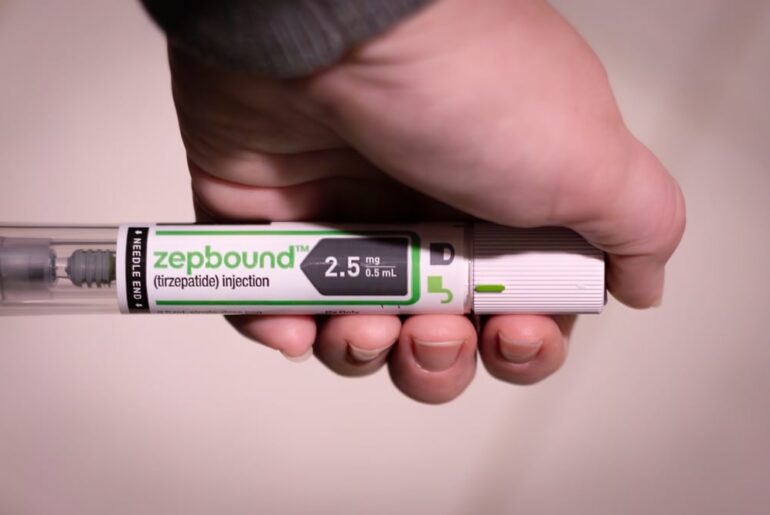
GLP-1 medications like Ozempic and Wegovy are associated with an increased risk of vitamin D deficiency, new research suggests. The study showed that about 14% of people had a vitamin D deficiency after taking GLP-1s for a year.
Nutritional Deficiency Linked to GLP-1 Use
The systematic review included data from 480,825 adults with obesity who were taking GLP-1 medications. One study found that 12.7% of participants had a nutritional deficiency after six months on GLP-1. Vitamin D deficiency was the most common, followed by low iron and B-complex vitamins.
GLP-1 drugs suppress appetite and alter gut absorption, which may contribute to low levels of vitamin D, iron, and B vitamins. More research is needed since this review’s findings are from observational data and do not prove that GLP-1s cause vitamin deficiencies.
“GLP-1 receptor agonists are highly effective therapies, but their use should ideally be accompanied by nutritional assessment and counseling,” Benjamin Clapp, MD, senior author of the study and an associate clinical professor of surgery at Texas Tech School of Medicine in El Paso, told Verywell in an email.
There are currently no official guidelines for monitoring nutrition in people taking GLP-1 medications.
“These findings suggest that nutritional monitoring should be part of routine clinical care for patients receiving GLP-1 therapies, especially during sustained weight loss,” Clapp said.
Weight Loss Surgery Also Linked to Lower Vitamin D
Bariatric surgery reduces stomach size or limits nutrient absorption in the small intestine, which can also increase the risk of vitamin deficiencies. Estimates suggest that 10% to 73% of people develop vitamin D deficiency after bariatric surgery.
“Anything that is highly effective for reducing food intake, such as GLP-1-based therapies or metabolic (bariatric) surgery, can cause vitamin and mineral deficiencies because the total quantity of food is lower,” Cecilia Low Wang, MD, an endocrinologist at UCHealth, told Verywell in an email.
When people eat less, they may not get enough protein, vitamin D, iron, or folate. That makes nutrition counseling especially important for people undergoing bariatric surgery or taking GLP-1 medications, Low Wang added.
Obesity Itself Raises the Risk of Vitamin D Deficiency
Shiara Ortiz-Pujols, MD, MPH, director of obesity medicine at Northwell’s Staten Island University Hospital, said the “vast majority” of her patients come in with vitamin D deficiency.
People with obesity might not have enough vitamin D in the blood because this fat-soluble vitamin binds to fat tissue. Ortiz-Pujols said patients may also spend less time in the sun if they have pain or musculoskeletal complaints that keep them from exercising outside.
Do GLP-1 Users Need Vitamin D Supplements?
People who rapidly lose weight also tend to lose lean muscle mass. That loss, coupled with low vitamin D levels, may increase the risk for osteoporosis in these individuals, Ortiz-Pujols said.
After bariatric surgery, people must take certain supplements, like vitamin D, for the rest of their lives. “We could be thinking something similar when it comes to people who are on GLP-1s,” Ortiz-Pujols said.
Most adults need between 600 and 800 IU of vitamin D per day. Some patients need higher dose supplements depending on their vitamin D blood levels, she added.
However, taking high-dose supplements without consulting a healthcare provider comes with significant risks.
“Toxic levels of vitamin D can result when too much is taken, causing dangerously high blood calcium levels, especially in the presence of kidney insufficiency,” Low Wang said.
She added that GLP-1 users should work with a healthcare provider to make sure they are getting the right dose of vitamin D for their needs.
Verywell Health uses only high-quality sources, including peer-reviewed studies, to support the facts within our articles. Read our editorial process to learn more about how we fact-check and keep our content accurate, reliable, and trustworthy.

Brown is a nutrition writer who received her Didactic Program in Dietetics certification from the University of Tennessee at Knoxville. Previously, she worked as a nutrition educator and culinary instructor in New York City.
Thanks for your feedback!
What is your feedback?
Helpful
Report an Error
Other