Loneliness has reached an epidemic level, according to the U.S. surgeon general, with one in two adults reporting that they experience the feeling.
A report issued by the surgeon general in 2023 said loneliness can have serious effects on a person’s physical and mental health, heightening the risk of heart disease, dementia, stroke, depression, anxiety and premature death.
A number of factors contribute to this feeling of isolation in adolescents, according to Alexandra Rodman, a clinical psychologist who studies the social world of teens and is an assistant professor of psychology at Northeastern.
Many are quick to blame technology, but Rodman’s research has found that the time teens spend on their phones can be helpful if they’re using it for direct communication, which can build genuine connections.
What’s harmful is when technology contributes to their feelings of isolation, she continued. For example, “simply scrolling content” is going to feel social, but is not actually as rewarding or fulfilling as in-person interactions.
“Maybe it feels easier to do something online than in person, where there’s more uncertainty,” she told Northeastern Global News. “In person, we can’t simply shut off our phones and leave the situation.”
Her advice to combat this? Engage in “social risk-taking” and meeting with others in person, she said.
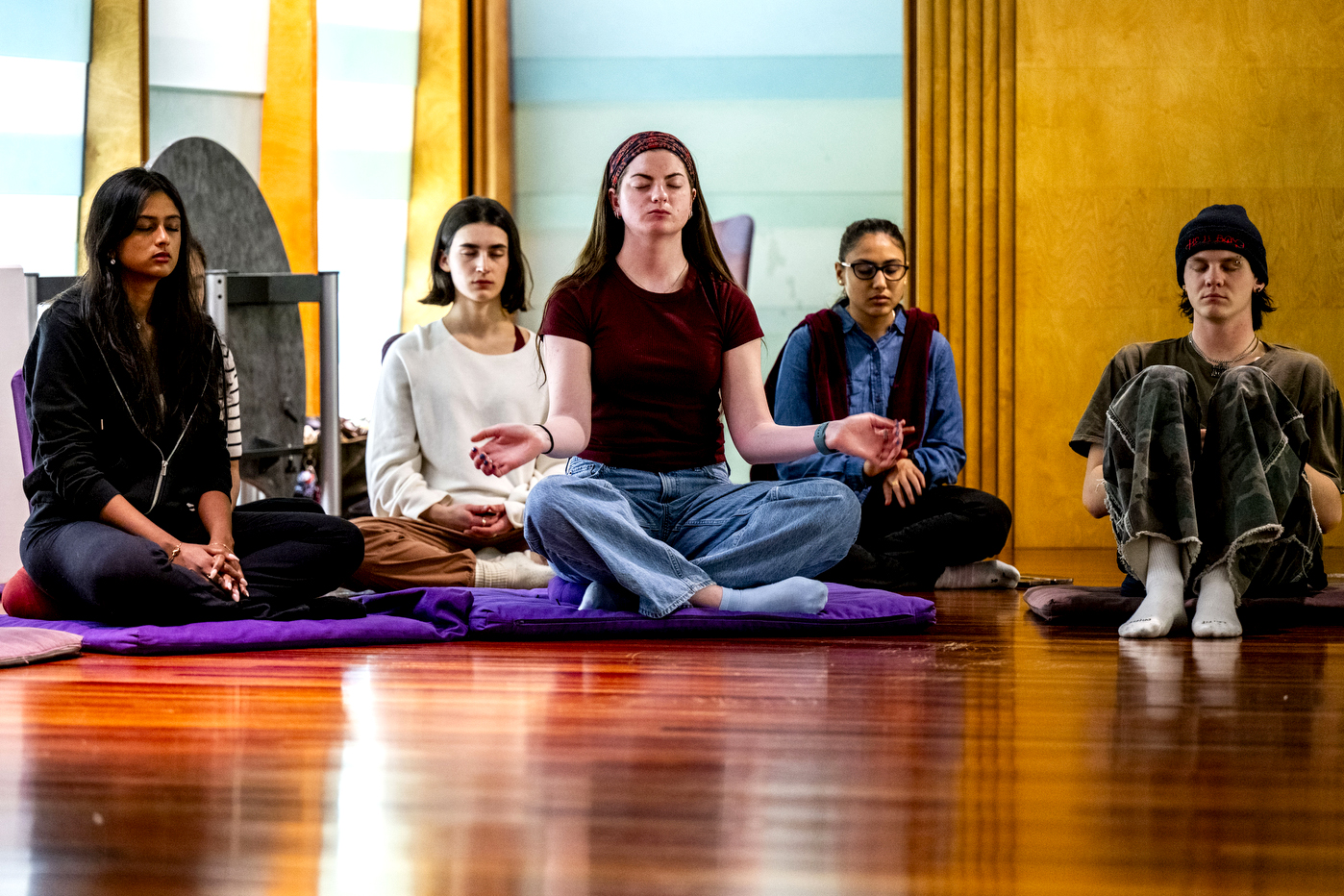
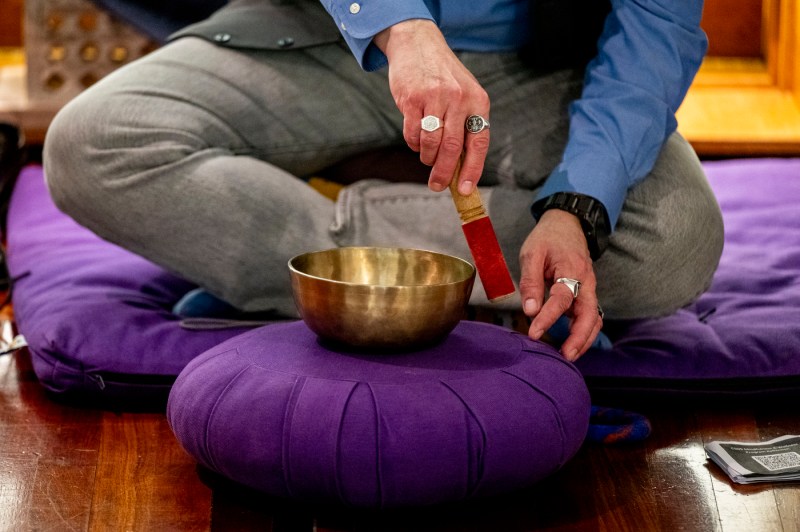 03/10/26 – BOSTON, MA. – Students participate in the Meditation and Mango Lassi session in Sacred Space, Ell Hall during Wellness Week on March 10, 2026. Photo by Matthew Modoono/Northeastern University
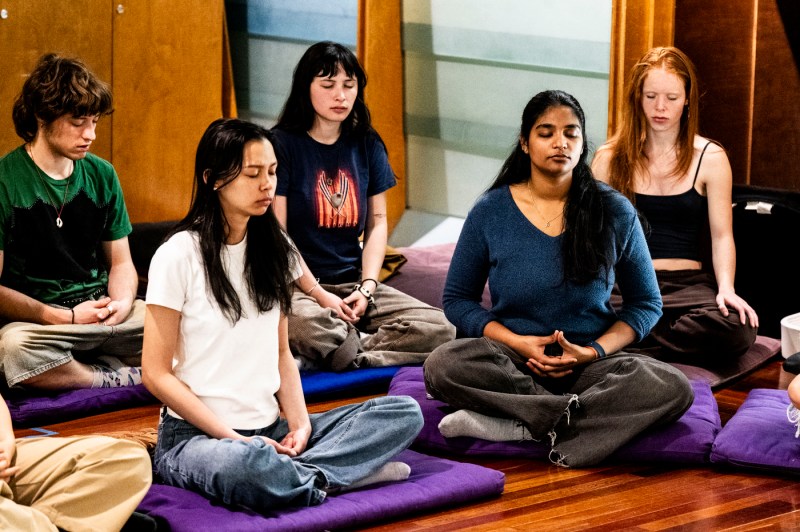 03/10/26 – BOSTON, MA. – Students participate in the Meditation and Mango Lassi session in Sacred Space, Ell Hall during Wellness Week on March 10, 2026. Photo by Matthew Modoono/Northeastern University
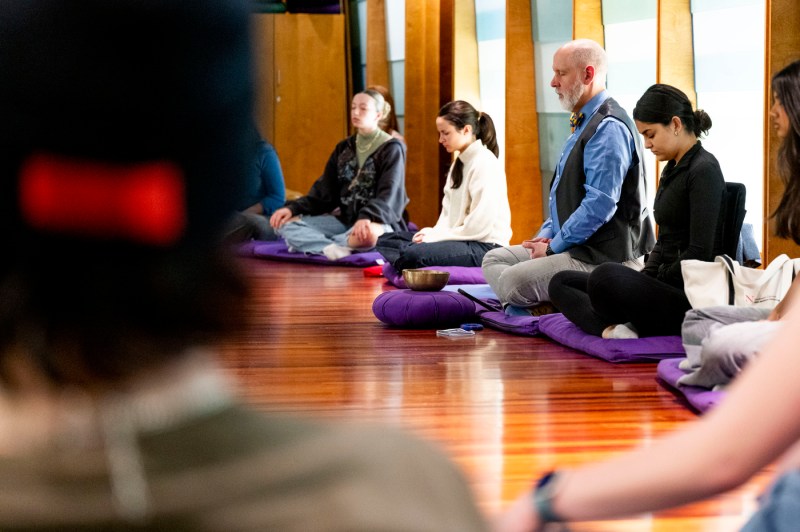 03/10/26 – BOSTON, MA. – Students participate in the Meditation and Mango Lassi session in Sacred Space, Ell Hall during Wellness Week on March 10, 2026. Photo by Matthew Modoono/Northeastern University
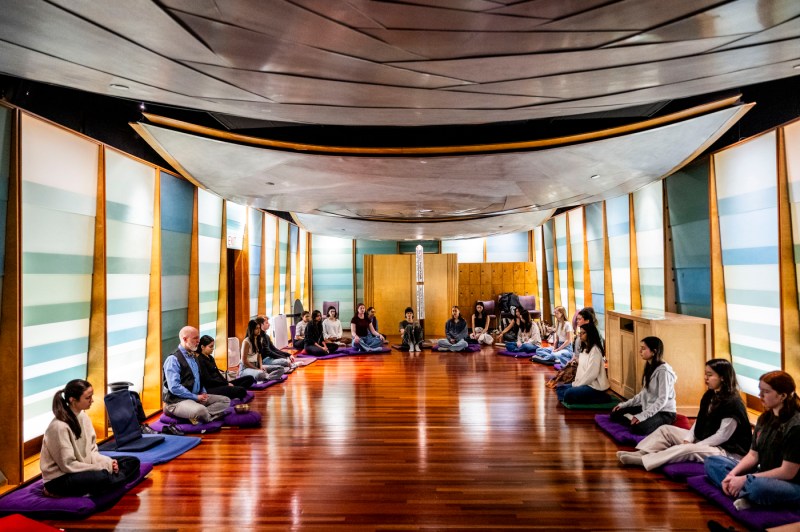 03/10/26 – BOSTON, MA. – Students participate in the Meditation and Mango Lassi session in Sacred Space, Ell Hall during Wellness Week on March 10, 2026. Photo by Matthew Modoono/Northeastern University
The Center for Spirituality, Dialogue and Service host regular meditation sessions throughout the year as a way to encourage wellness. Photos by Matthew Modoono/Northeastern University
Northeastern University is offering many opportunities to do this through its annual Wellness Week, which features activities like transforming secondhand jeans into yoga mat carriers or enjoying steaming bowls of Iranian stew and jeweled rice pilaf while conversing about nature.
While most people think of eating well or going for walks as ways to improve their wellness, Kimberly Bement, assistant director for health education in the Office of Prevention and Education, said the university thinks of health as having eight different dimensions: emotional, social, intellectual, physical, environmental, spiritual, occupational and financial. But emotional and social health are “on the forefront” of most events, she said.
Northeastern offers plenty of opportunities for this during Wellness Week, Topher Gamble, a wellness program specialist at Northeastern’s Seattle campus, told NGN.
The Seattle campus community offered work and study breaks, a visit with therapy dogs and a “budget bites” session with instructions on how to make a healthy version of the purple berry-flavored “Grimace shake” from McDonald’s.
In Vancouver, a time management solutions workshop provided tips on finding balance.
The Oakland community refueled with free chicken wings and advice on managing stress from university counselors and psychologists.
But throughout the year, Gamble said he and his team are always trying to teach students to prioritize all aspects of their health, especially the social component. He said he makes an effort to meet students face-to-face, whether it’s with an afternoon walk or a game of ping-pong, to emphasize the importance of social connection, something that matters when transitioning to life on campus or to a career after graduating.
“We’re constantly trying to find ways to come together,” Gamble said. “We have a lot of students who come to campus focused on one thing, which is that occupational side.”
 03/10/26 – BOSTON, MA. – Students participate in the Meditation and Mango Lassi session in Sacred Space, Ell Hall during Wellness Week on March 10, 2026. Photo by Matthew Modoono/Northeastern University
 03/10/26 – BOSTON, MA. – Students participate in the Meditation and Mango Lassi session in Sacred Space, Ell Hall during Wellness Week on March 10, 2026. Photo by Matthew Modoono/Northeastern University
 03/10/26 – BOSTON, MA. – Students participate in the Meditation and Mango Lassi session in Sacred Space, Ell Hall during Wellness Week on March 10, 2026. Photo by Matthew Modoono/Northeastern University
This week, the meditation sessions from the Center for Spirituality, Dialogue and Service added a food and socialization element to encourage further connection. Photos by Matthew Modoono/Northeastern University
The lack of third spaces — gathering places outside of home or work — is also contributing to this feeling as people lose spots to gather and connect with people new and old, Rodman added.
In Boston, the Center for Spirituality, Dialogue and Service serves as a space for students to meet and connect year-round. Sagar Rajpal, the associate director for spiritual life with the center, said the programs they’re sponsoring during Wellness Week aim to align with more “overlooked” aspects of wellness and are meant to encourage people to linger afterward for food and socialization.
But many of the events they’re sponsoring, like Meditation and Mango Lassi and Yoga and Yogurt, are enhanced versions of events the Center for Spirituality, Dialogue and Service host regularly. The center hosts weekly breathwork workshops, daily meditation and dinners meant to inspire dialogue twice a month.
Azalea Murray, a 21-year-old dialogue associate for the center and fourth-year criminal justice and journalism major, helps run some of these dialogues, which she said are meant to help people connect on topics that go beyond small talk in a safe space.
“Northeastern is so global and people are coming from all over the world,” Murray said. “That sense of community we felt back home can get lost, which is why I think people seek out clubs and organizations based on community.”
Rajpal said these events have inspired “some of the most community-building spaces” he’s seen in his 10 years at Northeastern. What he’s found is that people crave connection, especially with people with different perspectives, which is why these events are so popular.
“It really paints a picture of how bringing people together to participate in a practice related to well-being is so much more beneficial,” Rajpal said. “People really want to connect and … there are so many diverse perspectives you can learn from on campus on a daily basis.”