Temple Square is always beautiful in the springtime. Gardeners work to prepare the ground for General Conference.
© 2012 Intellectual Reserve, Inc. All rights reserved.
1 / 2
Download Photos
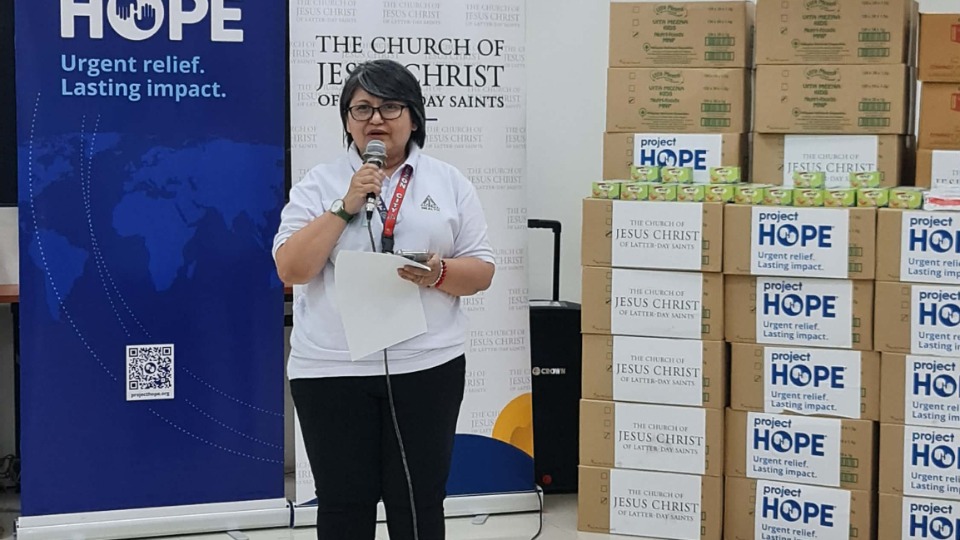
Community health workers and local leaders gathered on March 11 for a turnover ceremony of nutrition commodities, health equipment and community information tools aimed at strengthening maternal and child nutrition services in Quezon City.
The initiative is part of the LDS Nutrition Strengthening Project, a partnership between Project HOPE, The Church of Jesus Christ of Latter-day Saints, the Quezon City Local Government, and the Quezon City Health Department. The project was launched in September 2025 to support community health services, improve nutrition systems and promote healthier outcomes for mothers and young children.
The program focuses on improving access to quality nutrition services, promoting maternal, infant and young child nutrition, strengthening community-level health education and enhancing nutrition data systems to support evidence-based decision-making.
Strengthening Community Nutrition Services
Since its launch, the project has supported training for 150 community health workers, helping strengthen the delivery of nutrition services at the barangay level. Additional training sessions are planned, particularly focusing on Maternal, Infant and Young Child Nutrition (MIYCN).
Screening activities have reached more than 1,600 children under the age of two, while over 800 mothers and infants have been assessed for malnutrition and provided nutritional support when needed. Micronutrient powders and high-protein supplements have already been distributed to more than 1,000 beneficiaries.
Health promotion activities have also helped educate hundreds of caregivers and families about the First 1,000 Days of life, widely recognized as a critical period for a child’s growth, brain development and long-term health.
Supporting Local Health Systems
To improve reporting and monitoring of nutrition services, the project also provided seven laptops and seven printers to support the city’s Field Health Services Information System (FHSIS).
Technical assistance was provided to strengthen data collection and reporting, including the implementation of a Data Quality Check (DQC) to improve accuracy and reliability of nutrition data. A project progress review meeting was also held with partners and stakeholders to assess implementation and strengthen future strategies.
Nutrition Supplies and Health Promotion Materials
During the ceremony, partners formally turned over several resources that will support health centers in priority barangays, Bagong Silangan, Tatalon, and Payatas, where moderate to severe malnutrition among children has been identified.
Among the items distributed were:
5,600 sachets of Ready-to-Use Therapeutic Food (RUTF), which can support up to 1,200 children experiencing malnutrition
Micronutrient powder supplements for children and infants
Seven television screens with movable stands to support health promotion and nutrition education in community health centers
Seven community health bulletin boards for public information, transparency and community awareness
The movable stands allow flexible use of the screens while some health centers continue to undergo renovation.
Partnership for Healthier Communities
Anthony Abustan, Country Director of Project HOPE Philippines, highlighted the importance of collaboration among organizations working to improve community health.
“This partnership between NGOs, the Church and local government demonstrates what can be achieved when we work together,” Abustan said. “The turnover represents our shared commitment to strengthening nutrition systems and supporting mothers and children in our communities.”
Dr. Olive Esquivias of the Quezon City Health Department expressed gratitude for the support provided by Project HOPE and The Church of Jesus Christ of Latter-day Saints.
 Dr Olive Esquivia, City Nutrition Action Officer, Quezon City Health Department, thanked Project Hope and The Church of Jesus Christ of Latter-day Saints. © 2026 by Intellectual Reserve, Inc. All rights reserved.DOWNLOAD
“Malnutrition continues to affect many vulnerable families,” Esquivias said. “These resources will strengthen our health center programs and support community health workers who serve on the frontlines of child and maternal health.”
She added that partnerships such as this create meaningful and lasting improvements in the well-being of families.
The Importance of the First 1,000 Days
Bishop Vernie Rodriguez of the Batasan 1st Ward, Fairview Stake, emphasized the critical importance of caring for mothers and children during the first 1,000 days of life.
 Bishop Vernie Rodriguez of Bataan 1st Ward, Fairview Philippines Stake, highlighted the importance of the first 1,000 days in his Donor’s Message. © 2026 by Intellectual Reserve, Inc. All rights reserved.DOWNLOAD
“This period is essential for a child’s development and long-term health,” Rodriguez said. “Community health workers are vital partners in helping families receive the support they need.”
He noted that caring for mothers and children is a shared responsibility that strengthens communities and promotes a healthier future.
Small Efforts That Bless Many Lives
President Norman Tolentino, first counselor in the Quezon City Stake Presidency of The Church of Jesus Christ of Latter-day Saints, reflected on the New Testament account of Jesus Christ feeding five thousand people with five loaves and two fishes.
 President Norman Tolentino, First Counselor in the Quezon City Philippines Stake Presidency shared the story of Jesus Christ feeding the five thousand© 2026 by Intellectual Reserve, Inc. All rights reserved.
He compared the miracle to the power of partnership and service.
“Just as small offerings were multiplied to feed thousands, our combined efforts can bless many lives,” Tolentino said. “Through compassion, cooperation and service, we can continue helping families and communities.”
Continuing the Work Together
Jai Sideco, Quezon City Nutrition Program Coordinator, emphasized that addressing nutrition challenges requires collaboration among many sectors.
“The government cannot address nutrition challenges alone,” Sideco said. “Partnerships with NGOs and faith-based organizations are essential, especially as many families continue to face economic challenges affecting food access.”
Sideco explained that collaboration among partners began with an inception workshop in October to develop short-, medium- and long-term strategies to strengthen nutrition services in the city.
He expressed hope that the partnership will continue and expand to reach more communities in the future.
Strengthening Families and Communities
The LDS Nutrition Strengthening Project reflects the shared commitment of partners to support mothers, protect children and strengthen community health systems.
For members of The Church of Jesus Christ of Latter-day Saints, caring for those in need and strengthening families are central expressions of their faith in Jesus Christ and His teachings to love and serve others.