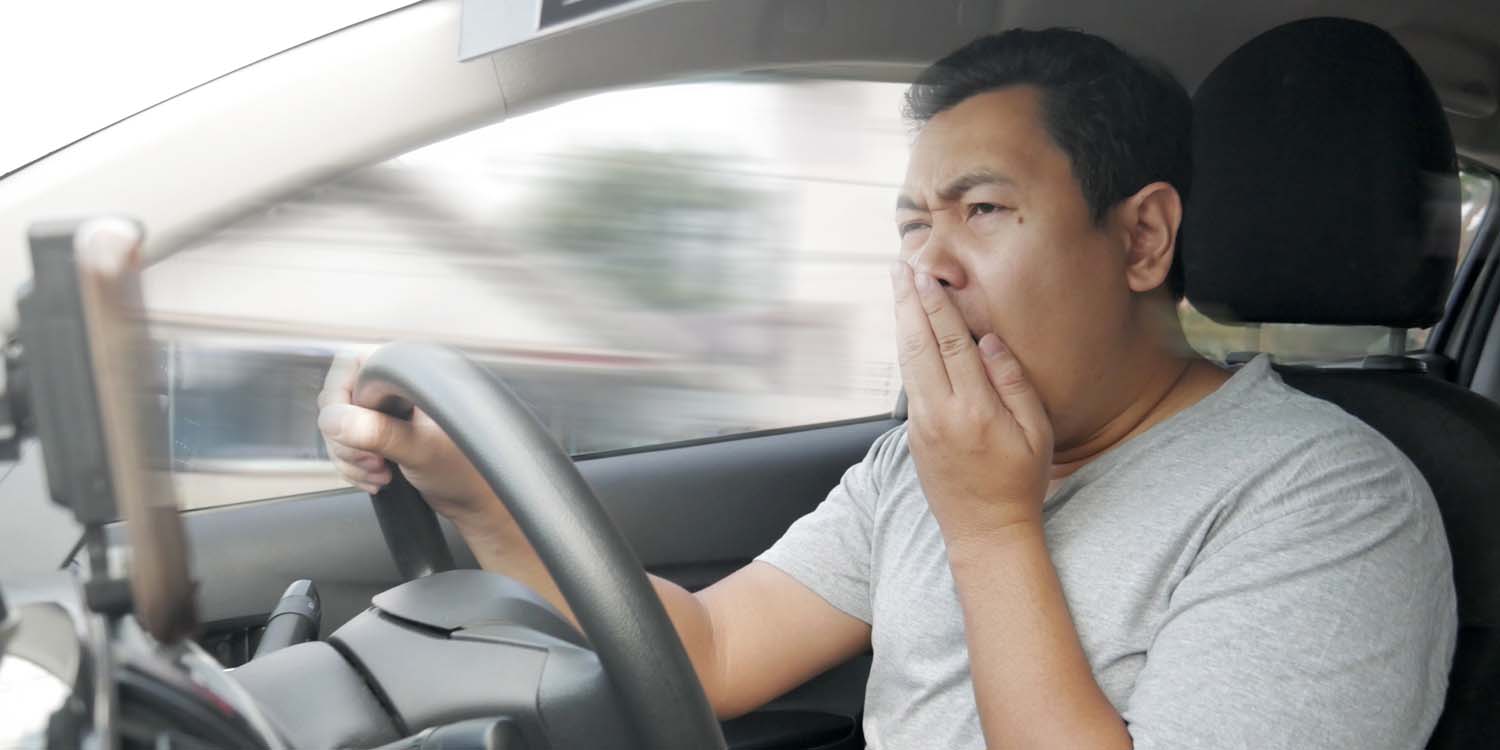
As the homecoming season approaches, maintaining physical stamina becomes crucial, especially for drivers traveling long distances. One key to staying focused and avoiding drowsiness is paying attention to food intake before and during the trip.
Dr dr Karina Rahmadia Ekawidyani, a public nutritionist at IPB University, outlined three main factors that cause people to feel sleepy during the holiday season.
First, lack of sleep, especially when having to wake up early for pre-dawn meals and sleep later than usual. Second, long travel times with relatively monotonous roadscapes.
“If a driver drives for a long time with monotonous road scenery, it can cause boredom and eventually trigger drowsiness,” she said.
The third factor is the habit of forcing oneself to drive at night. “Biologically, nighttime is when the body needs to rest. If forced to stay awake, drowsiness will naturally occur more easily,” explained dr Karina.
In addition to rest, diet also plays an important role in alertness and stamina levels. According to her, certain types of food can actually trigger drowsiness, while others can help maintain stable energy levels.
“Foods that cause a rapid rise in blood sugar can make us more prone to drowsiness. Examples include white bread, chips, fried foods, and other foods high in sugar,” she explained.
Conversely, to maintain stable energy levels, dr Karina recommends consuming foods that are high in complex carbohydrates, protein, and low in fat.
“Eggs, skinless chicken, lean meat, nuts, and fruits with high water content can help maintain stamina while preventing dehydration,” she added.
She also detailed several food choices that are recommended to increase stamina during the homecoming trip, including:
Sources of complex carbohydrates such as whole grains (brown rice, black rice, wheat, oats, corn), starchy vegetables (potatoes, sweet potatoes), and legumes.
Low-fat protein sources such as skinless chicken, lean meat, egg whites, and fish.
Good sources of fat such as fish, nuts, olive oil, and avocados.
Fruits and vegetables that are rich in fiber, vitamins, minerals, and high in water content.
In addition to food, adequate fluid intake should not be overlooked. “Drivers must ensure that their fluid needs are met, both during suhoor and iftar. Even when fasting, it is still recommended to drink at least eight glasses or about 1,5-2 liters of water per day,” she said.
Regarding caffeine consumption, such as coffee or tea, dr Karina acknowledged that caffeine can help reduce drowsiness, but its effects are only temporary. “Caffeine can indeed make us more alert, but if consumed in excess, it can cause frequent urination and the risk of dehydration,” she explained.
She added that the safe limit for caffeine consumption for adults is around 400 mg or the equivalent of four cups per day. However, she advised consuming only one to two cups.
“The most effective remedy for drowsiness is not caffeinated drinks, but sleep. So, if you are tired, it is best to stop and take a short break to restore your energy,” she concluded. (Lp) (IAAS/EPK)