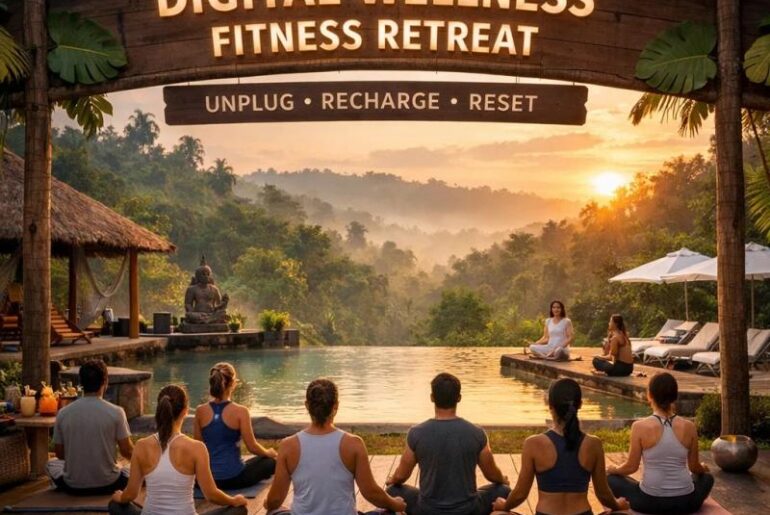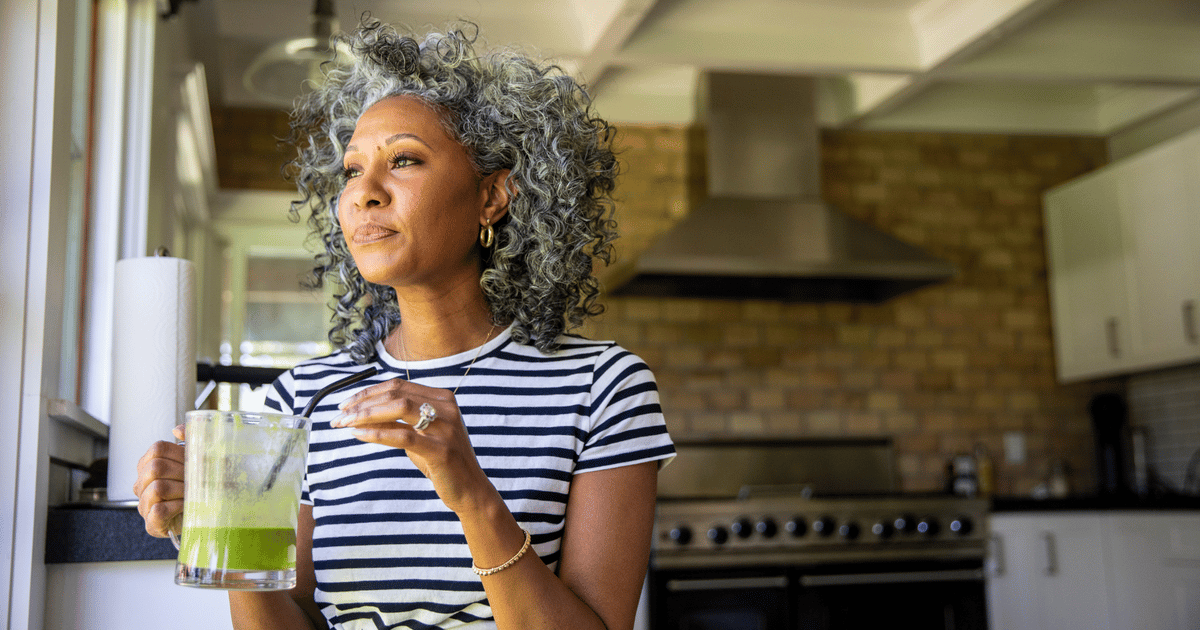
The idea of wellness covers a lot of ground. It’s probiotics and yoga, plant-based diets, brain hacking and much more. The list sprawls. Wellness ranks as capacious—and vague.
For the most part, conversations about wellness trends stand apart from one another. But a new movement, “daylife,” might help bring at least some of them together into a unified force.
The term emerged just this year through Sweatpals, an Austin, Texas app-based startup revolving around fitness and wellness pursuits for the sake of community building. The platform swiftly gaining traction, recently raised $12 million in seed funding, with prominent investors including Max Mullen, co-founder of Instacart, and Jeffrey Katzenberg, founder of DreamWorks Animation. The funding will be used to develop new platform features for gyms, studios and event organizers as well as to support national expansion.
For now, Sweatpals is in 24 cities, with plans to expand to 12 more in early 2026.
Nonalcoholic socializing serves as the foundation of daylife—the name itself contrasts with nightlife and its familiar burn-the-midnight-oil signatures, such as drinking and partying. It also incorporates exercise, especially in group and potentially social settings.
Daylife: a new social identity
If nightlife hinges on downing slices of pizza between bars stops (and waking up feeling like moldy mozzarella), daylife revolves around sipping non-boozy beverages with friends after a high-intensity training workout (and enjoying vigor for the rest of the day).
On the surface, daylife implications for the natural and organic products industry might not seem to drift far from nonalcoholic drinks—here’s looking at you, canned mocktails.
But the current wave of people trading scotch for selenium-spiked libations often aren’t doing so because of alcohol addictions. Instead, steering clear figures into a larger lifestyle that promotes mind and body vitality through a combination of embracing (hi there, nootropics) and rejection (so long, ultra-processed foods).
And these are the people flocking toward the daylife way.
“Daylife represents a shift from nightlife centered around alcohol to wellness experiences centered around energy, connection and movement,” says Salar Shahini, Sweatpals founder and CEO. “That shift naturally creates demand for products that support how people actually want to feel the next day: hydrated, fueled, clear-headed and strong.”
As the movement mounts, it could offer myriad opportunities for natural and organic products industry stakeholders. Rather than toiling to appeal to ambiguous “wellness” consumers, daylife potentially offers a community, rather than a wilderness of tribes such as paleo, seed-free oil, the gut-mind-axis and so on. As the trend is new, it also lacks much in the way of industry leaders—for now. Brands in the broader wellness space today enjoy the prospect of getting on board early with daylife.
Daylife provides brands with avenues into communities built on passion and lifestyle. The trend’s participants exercise, socialize and trade tips about lifestyle passions—gold for marketers. Word-of-mouth praise from trusted members of a shared-lifestyle community can contribute more toward consumer behavior than advertising—for free.
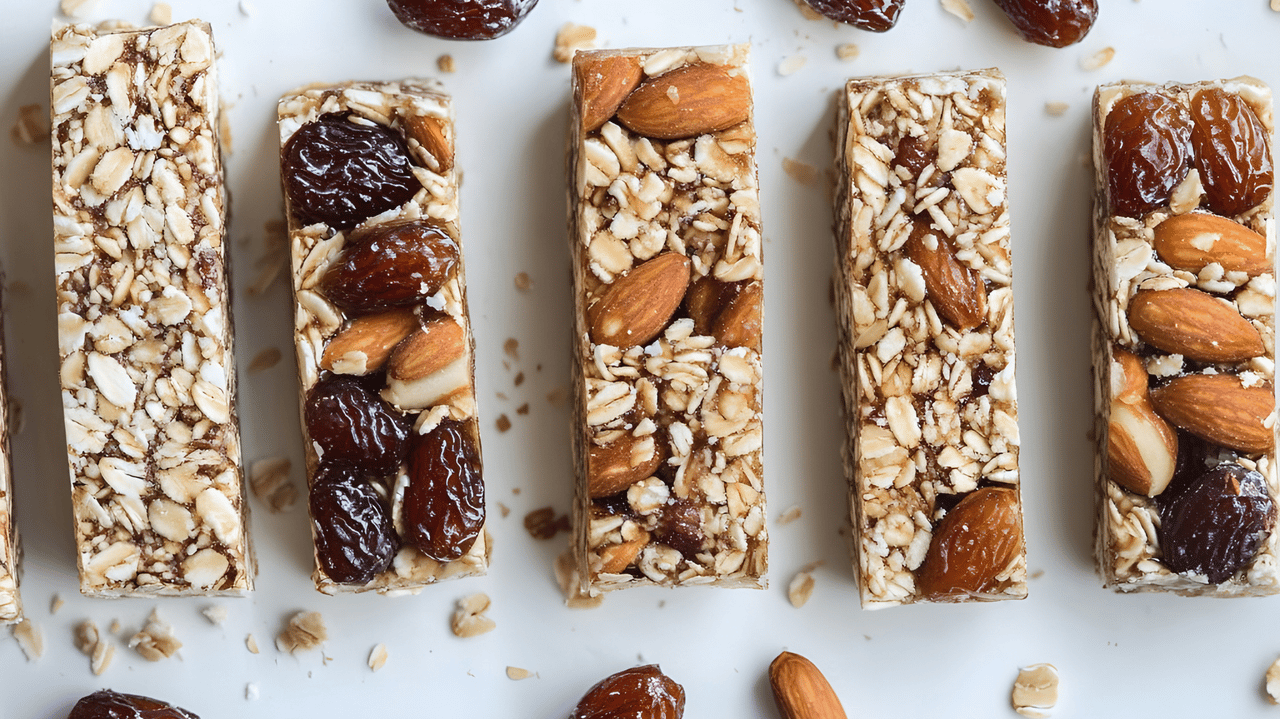
The daylife way doesn’t stop at nonalcoholic beverages. Functional snacks have joined the mix.
Opportunities for natural and organic brands
Certain natural and organic products industry categories beyond nonalcoholic stand out. Wellness beverages, for one. The category fully emerged out of the natural and organic products industry. According to SPINS, the functional beverage market was valued at $92 billion in 2025 and is projected to reach $106.93 billion by 2026.
Given daylife’s fitness aspects, drinks with benefits could clearly profit. Cue protein sodas, a fast-rising consumer packaged goods (CPG) category. Sales within that category surged by 109% in 2024, according to SPINS.
Keurig Dr Pepper, for example, recently launched Sky Pop, a protein-fortified soda positioned as a “next-generation soda.” Coco-Cola’s CEO James Quincey has hinted at the company launching its own protein soda—its high-protein milk and shake brand, Fairlife, ranks as a success. Even Beyond Meat, the company behind the viral Beyond Sausage Hot Italian product, has leaped into the protein-soda pool. Its plant-based soda, Immerse, offers between 10 grams and 20 grams of pea protein per can, along with fiber, antioxidants and electrolytes.
But it’s not just the botanical-fortified beverages daylife consumers are gulping instead of hooch that pose opportunities for the natural and organic products industry.
“In Daylife culture, performance matters. People aren’t just hanging out; they’re doing something together,” says Shahini. “That makes protein, electrolyte brands, nutrient-dense snacks and recovery products part of the social experience, not an afterthought.”
The rise of snackification—replacing traditional three-meal structures with more frequent snacking across the day—has captured a slice of the natural and organic products industry pie. Brands launch new better-for-you snack SKUs, it seems, every week. And for daylifers, healthy snacks resonate.
Snacks work too because of daylife’s group dynamics. People get together not only to lift weights and toss back cans of Athletic Hazy IPA afterwards—they unwind together. And given a choice between a sack of old-school pretzels or a buckwheat crisp threaded with prebiotic psyllium husk, hemp seeds and spirulina, chances are daylifers will gravitate toward the perks-packed crisp.
Snacks also speak to daylife’s on-the-go qualities.
“Portability becomes critical because daylife happens everywhere: parks, beaches, community gyms, pop-ups,” says Shahini. “Products that are clean, convenient and easy to bring along naturally win.”
Supplements have the potential to align crisply with daylife, too—and not just from gummies, capsules and the other familiar forms. The merging of botanicals, minerals, vitamins, probiotics and other hallmarks of supplements with food continues its aggressive expansion. Those products, as well as traditional supplements, speak to the daylife trend.
One key to successful engagements between the blossoming trend and the natural and organic products industry: authenticity. Many trends thrive within the industry’s complex ecosystem. Brands that flourish alongside trends speak directly to the people active within the trends’ communities.
The nonalcoholic movement, tied closely to Gen Z, has expanded rapidly since COVID-19. Less than a decade ago, it didn’t resonate much beyond Dry January. Today, it touches a diversity of industries.
Consider: Recent polling shows that 18% to 20% of Gen Z Americans of legal drinking age report regularly drinking alcohol, compared to 31% of Millennials and 30% of Gen X. Also, Gen Z’s weekly alcohol consumption is 43% lower than Baby Boomers and 26% lower than Millennials when they were the same age.
Now, the movement is spreading beyond rejection or mitigation of alcohol consumption. It’s morphing into broader lifestyles, like daylife.
“This isn’t just a fitness trend,” says Shahini. “It’s a redefinition of social identity. People increasingly want products to align with who they’re becoming, not who they were. Natural and organic CPG brands that support energy, longevity and community are directly aligned with that cultural shift.”