Reviewed by Dietitian Jessica Ball, M.S., RD

Credit: Design elements: Getty Images. EatingWell design.
Key Points
Eating more protein increased satiety, reduced snacking and provided steadier energy levels.
A balanced diet with whole foods, fiber and healthy fats is key—not just focusing on protein.
Protein supports muscle maintenance and health but must be paired with resistance training.
Protein is everywhere right now, from snack bars and cereals to even soda. In 2024 alone, 97 new food products launched with “protein” in the brand name, more than double the previous year. And 71% of Americans say they are actively trying to eat more protein, up from 59% just two years earlier.
With all that buzz, I wanted to know: Would intentionally eating a high-protein diet for a full month actually make a difference in how I felt?
Why I Tried a High-Protein Diet
As a dietitian, I know that protein helps with weight loss, muscle building and satiety. That understanding, plus the constant protein marketing, pushed me to experiment. The growing interest in protein is something many experts are noticing, too.
“High-protein diets are trending right now, and protein is being positioned as the solution for everything,” says Jill McNutt, M.S., RDN. “When people hear that it can help support their goals, it makes sense they’d want to try increasing it.”
But protein is not only about aesthetics, and motivations can vary. “Someone might choose a high-protein diet to recover from an injury, support a healthy weight, maintain function as they age or feel more full after eating,” says Christina Manian, RDN, MENV.
My Go-To High-Protein Foods
Once I decided to prioritize protein, I did not start eating like a bodybuilder. I simply paid closer attention to what I was building my meals around. Over time, a few foods became my defaults because they were easy, filling and fit into meals I already enjoyed. Here is what I ate most often:
Strained (such as Greek-style) yogurt: This was a breakfast staple for me. One 7-ounce container provides about 20 grams of protein. I paired it with berries, nuts and chia seeds for fiber and healthy fats.
Eggs: They’re budget-friendly and easy to work into almost any meal. Each egg has about 6 grams of protein, so scrambling a couple with sautéed vegetables and whole-grain toast made for an easy, balanced breakfast. I also hard-boiled a batch to keep in the fridge for quick snacks.
Chicken breast and turkey: Lean poultry made it easy to boost protein without overthinking it. I batch-cooked chicken to use in grain bowls, wraps and salads throughout the week.
Salmon: I did not want all my protein to come from poultry, so I added salmon once or twice a week to diversify my protein sources. I roasted fillets for dinner and used leftovers in salads the next day.
Tofu and lentils: I also did not want the month to revolve entirely around animal proteins. Stir-fries with tofu and lentil soups became easy weeknight staples and kept me just as satisfied while adding variety.
Megan Huff, RDN recommends “lean animal proteins like chicken and salmon as they are high-protein and relatively low in saturated fat.” She adds that “salmon provides omega-3s, which have anti-inflammatory properties and support brain, eye, skin and joint health.” Manian often encourages plant-based proteins, “particularly complete sources like tofu, quinoa, hemp seeds, chia seeds and buckwheat.”
What I Learned About a High-Protein DietI Felt Fuller—And Snacked Less
Within the first week, I noticed I wasn’t reaching for mid-afternoon snacks as often. Higher-protein diets have been shown to increase satiety and reduce hunger hormones compared to lower-protein patterns. Huff agrees: “Following a higher-protein diet can help reduce the need for snacking by increasing feelings of satiety between meals.”
I also experienced steadier energy throughout the day. Protein helps slow carbohydrate digestion and absorption into the bloodstream, which may support more stable blood sugar levels. I didn’t have the same sharp energy dips between meals.
It Changed How I Thought About Muscle
Protein plays an important role in maintaining lean body mass, which becomes increasingly important as we age. After 30, adults can lose about 3% to 5% of muscle mass per decade. Eating adequate protein can help slow that decline, and research suggests higher protein intake may help preserve muscle during weight loss, especially when paired with resistance training.
That said, if weight loss is your goal, eating more protein alone will not make it happen in isolation. Weight loss ultimately requires a calorie deficit. Protein can help by increasing fullness and supporting muscle retention, but it is not a shortcut.
“One common misconception is that eating more protein automatically builds muscle,” says McNutt. “If muscle growth is the goal, protein supports muscle repair, but resistance training is what actually stimulates muscle growth over time.”
Balance Is Everything
By week three, I realized something important. It is easy to overdo protein and underdo everything else. “One thing I caution people about if they want to boost their protein intake is to not neglect fiber and plant-based foods, which can result in bloating, gas and constipation,” says Manian.
She also notes that plant-based proteins offer more than protein alone. “Not only do these often have a lower environmental impact than animal-based proteins, but they also provide fiber, which supports several other body systems like digestion and gut, heart, metabolic and immune health.”
It is also worth noting that people with kidney concerns should check with a health care provider before significantly increasing protein intake, as higher protein loads can place additional strain on the kidneys. Protein needs are highly individualized.
For me, keeping fruits, vegetables, whole grains and healthy fats on my plate made the biggest difference. Protein mattered, but it was not the only thing that mattered.
It Was Sustainable—But Required Planning
Eating more protein was not difficult, but it did require intention. I had to think ahead, especially for lunches and snacks.
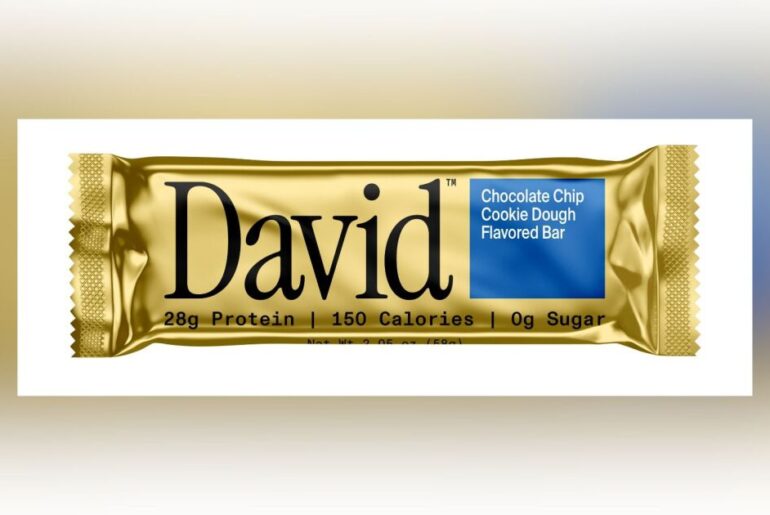
“One common challenge of a high-protein diet is getting enough protein from whole foods rather than packaged foods with added protein,” says Huff. “I advise clients to choose nutrient-dense foods first and then use protein powder or bars as supplements if needed.”
Many high-protein snack foods contain added sugars or refined ingredients, and research links diets high in ultra-processed foods with poorer overall diet quality. That advice made the biggest difference. Whole foods left me feeling better overall.
The Bottom Line
After a month of eating more protein, I felt more aware of how I build my meals. I was fuller, more consistent with my energy and less reactive with snacks. The biggest shift was not eating more protein, but thinking more intentionally about balance.
Read the original article on EatingWell