The meaning of home has quietly shifted over the past few years. What used to be a place to sleep, eat, and unwind has become something more deliberate — a space where people actively invest in their physical and mental wellbeing. The pandemic accelerated this, but the trend has outlasted it. Wellness technologies that were once confined to high-end spas, sports clinics, and longevity retreats are now finding their way into bedrooms, garages, and purpose-built home spaces.
This is not about luxury for its own sake. For a growing number of people, the logic is practical: consistency matters more than intensity, and having a recovery tool at home removes the friction that makes clinic visits hard to sustain.
From Gym Culture to Recovery Culture
For most of the past two decades, the fitness conversation has been dominated by output — how hard you train, how many reps, how fast you run. But the past five years have brought a noticeable shift toward what happens after the workout. Recovery has moved from an afterthought to a discipline in its own right.
Part of this is driven by science. Research into sleep, inflammation, and nervous system regulation has filtered into mainstream awareness, largely through podcasts and social media. Part of it is driven by experience — people who pushed hard in their twenties and thirties are now dealing with the consequences and looking for smarter approaches. And part of it is simply market evolution: as the fitness equipment market matured, the wellness industry expanded into the space between exercise and medicine.
The result is a new category of consumer: someone who is not injured or ill, but who actively builds recovery into their routine the same way they build in training. And increasingly, they want the tools to do it at home.
What a Home Recovery Room Actually Looks Like
The term “recovery room” might sound clinical, but in practice it is simply a dedicated space — sometimes a spare room, sometimes a section of a garage or basement — fitted with one or more wellness devices. The category spans a wide range of technologies, price points, and levels of evidence.
Infrared saunas have become the most established entry point. Brands like KLAFS, the German manufacturer known for retractable home saunas, and Finland’s Harvia have made infrared cabins compact and accessible enough for residential use. The appeal is straightforward: heat exposure to aid post-workout recovery in a private, controlled setting, available on your own schedule.
Cold exposure has surged in popularity alongside it, driven in large part by the Wim Hof Method and a growing body of research into cold water immersion. UK-built Brass Monkey and brands like Chill Tubs offer dedicated cold plunge units designed for home installation, turning what was once an extreme practice into a daily routine for thousands of users across Europe and North America.
Red light therapy panels represent another fast-growing segment. Joovv in the US and MITO LIGHT in the Czech Republic produce panels that deliver specific wavelengths of red and near-infrared light. Users typically mount them on walls or doors and stand in front of them for ten to twenty minutes at a time. The research base is growing, though much of it is still early-stage.
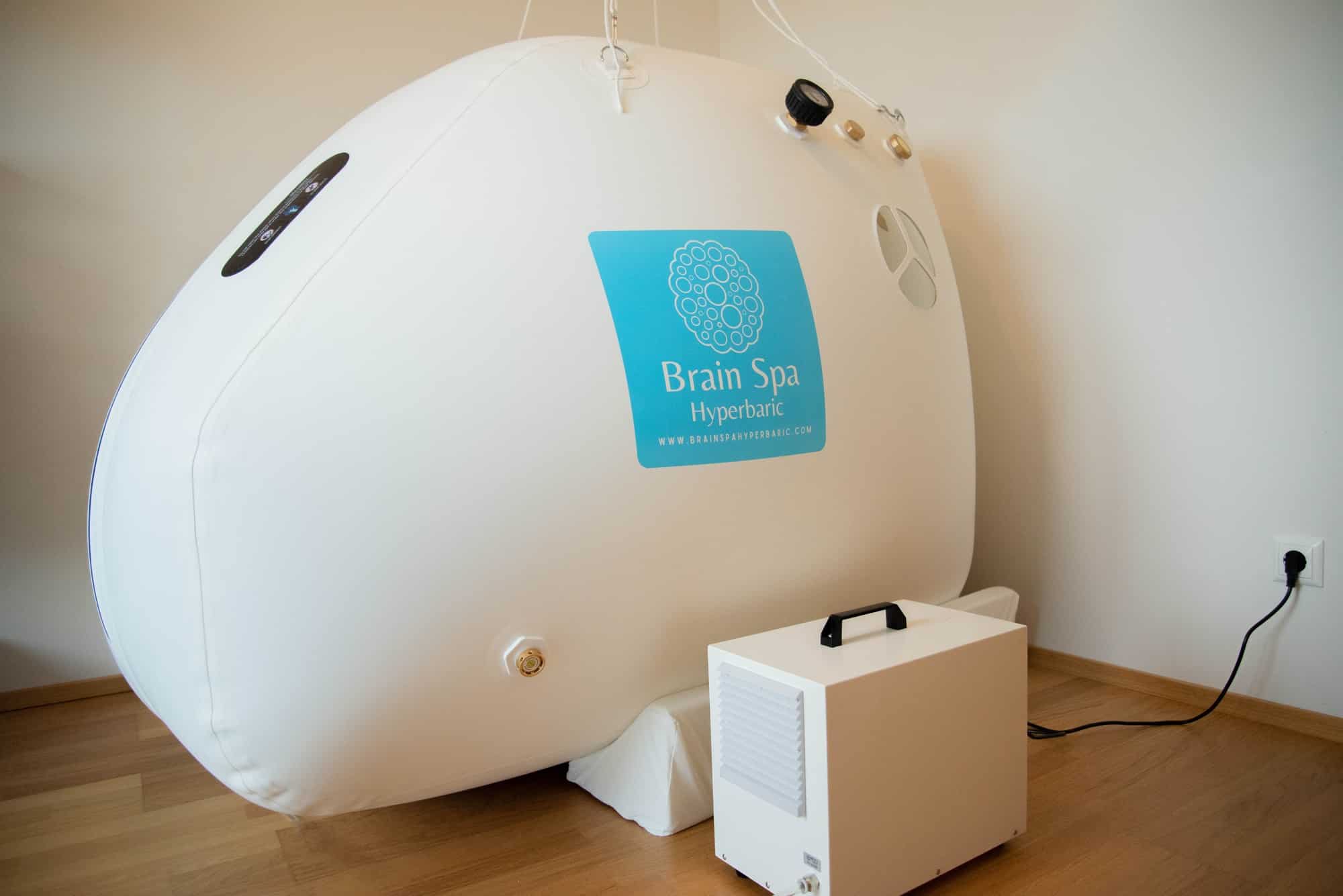
Pressurised hyperbaric wellness chambers are a newer addition to the home recovery landscape — and arguably the most intriguing. These are enclosed chambers that increase atmospheric pressure, allowing the body to take in more oxygen than it would under normal conditions. While clinical hyperbaric oxygen therapy has a long history in medical settings, a category of milder, consumer-oriented chambers has emerged for home use. Brain Spa Hyperbaric, a European brand, has positioned itself specifically around brain-first wellness — an approach grounded in the idea that the brain, which consumes roughly 20% of the body’s oxygen despite making up only 2% of its mass, stands to benefit most from optimised oxygen availability. It is a niche that no other consumer chamber brand has claimed so directly.
Wearables and neurofeedback devices round out the picture on the monitoring side. The Finnish-made Oura Ring tracks sleep, recovery, and readiness scores. Muse offers neurofeedback headbands for meditation. These do not replace physical recovery tools, but they give users data that helps them understand whether their routines are working.
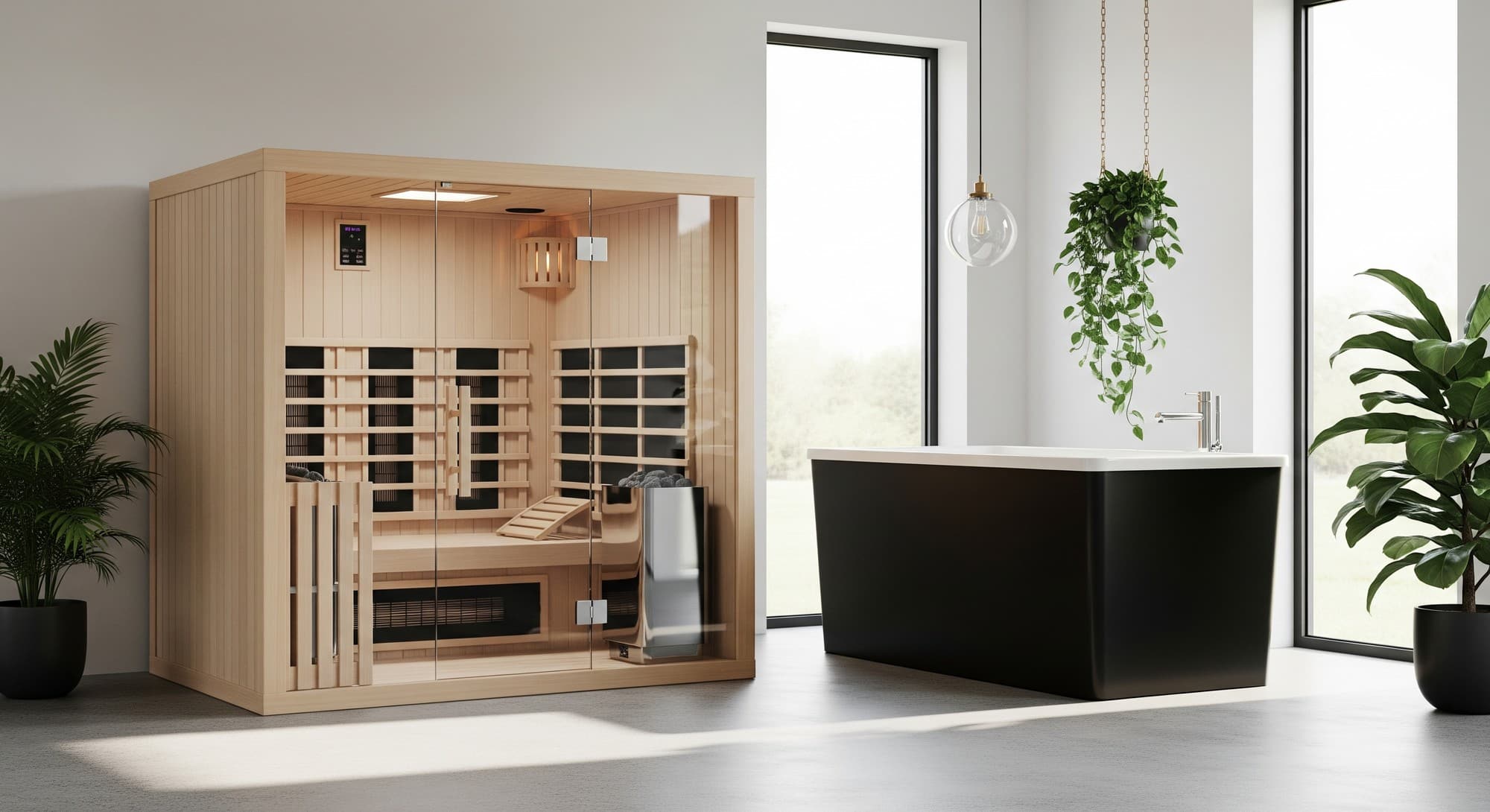 A visual representation of a modern home recovery suite featuring a sauna and cold plunge. (Credit: Intelligent Living)
Why the Shift to Home
Three forces are driving this move from clinic to living room.
The first is consistency. Most wellness interventions — whether heat, cold, pressure, or light — work best with regular, repeated use. Travelling to a facility three or four times a week is realistic for very few people. Having the equipment at home removes scheduling friction entirely.
The second is long-term cost. A single cryotherapy session can cost anywhere from €50 to €100. A single hyperbaric session at a clinic may cost even more. Over the course of a year, the economics of owning equipment often make more sense than paying per session — particularly for devices that are used daily.
The third is privacy and autonomy. For many people, recovery is deeply personal. The ability to use a sauna, a cold plunge, or a pressurised hyperbaric wellness chamber in your own space, on your own terms, without appointments or small talk, is a meaningful part of the appeal.
What to Consider Before Building Your Own
It is worth approaching this trend with clear eyes. Not every device has the same depth of scientific evidence behind it. Some categories — like sauna use and cold water immersion — have decades of research. Others are earlier in their evidence journey. Being honest about what is well-established and what is still emerging is part of making an informed decision.
Practical considerations matter too. Infrared saunas need adequate ventilation and electrical capacity. Cold plunges need drainage and, in some cases, dedicated plumbing. Pressurised chambers need floor space and a quiet environment. Understanding the installation requirements before purchasing saves both money and frustration.
And perhaps most importantly: home wellness equipment is not a substitute for medical care. These tools sit in the wellness and lifestyle space — they support routines, not treatments. Anyone managing a health condition should work with a qualified clinician, not rely on consumer devices for outcomes they are not designed to deliver.
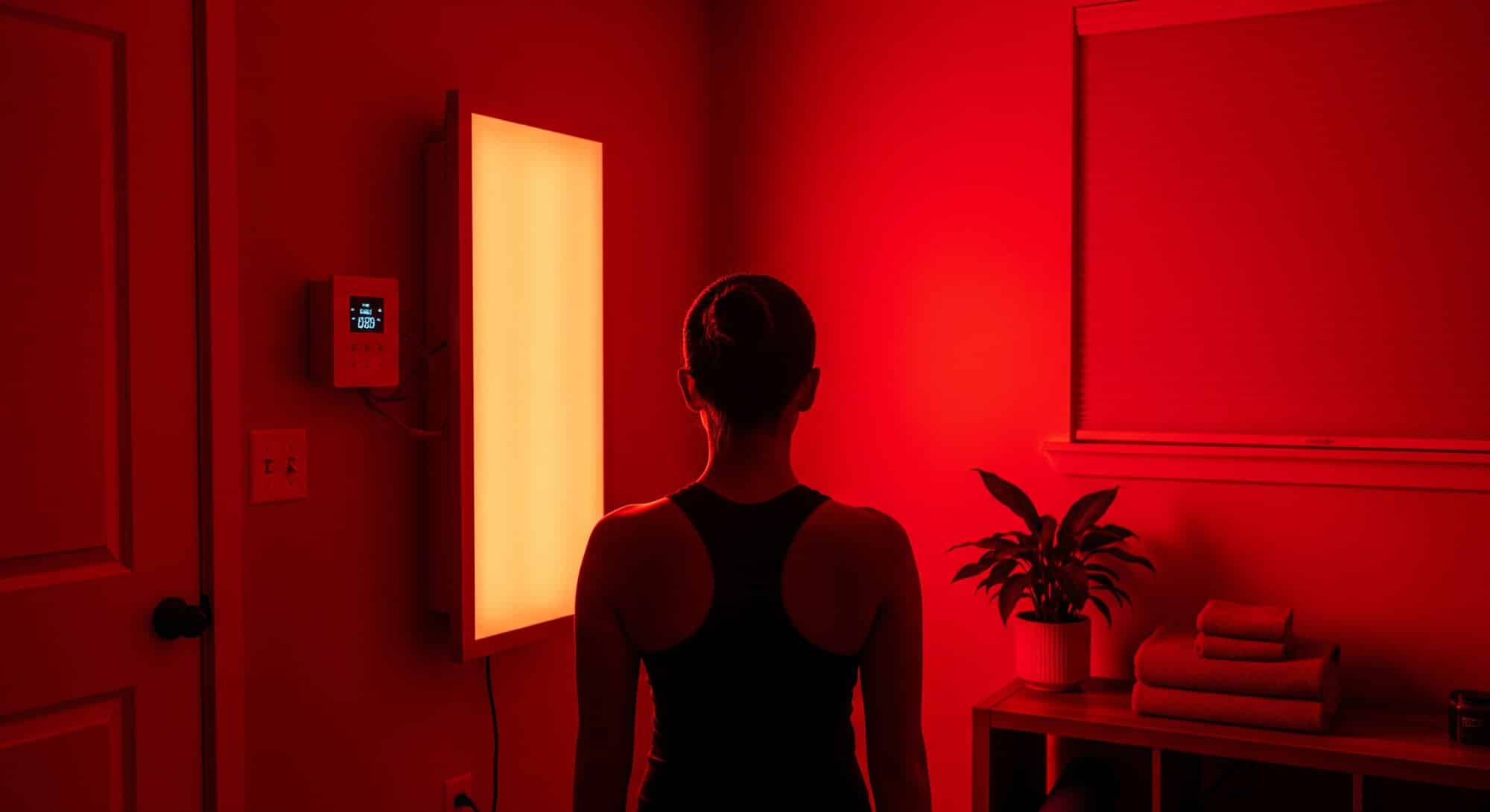 A home setup for red light therapy, a popular addition to modern recovery rooms. (Credit: Intelligent Living)
A Trend That Is Here to Stay
The home recovery room is not a passing fad. It sits at the intersection of several durable forces: a growing understanding of recovery science, a consumer base that increasingly values health autonomy, and technology that has become compact and affordable enough for residential use. What was once the domain of professional athletes and biohacking enthusiasts is becoming a normal part of how health-conscious people design their homes and their daily routines.
The question is no longer whether people will invest in home wellness — it is which tools they will choose, and how thoughtfully they will use them.