Feel strongly about these letters, or any other aspects of the news? Share your views by emailing us your Letter to the Editor at [email protected] or filling in this Google form. Submissions should not exceed 400 words
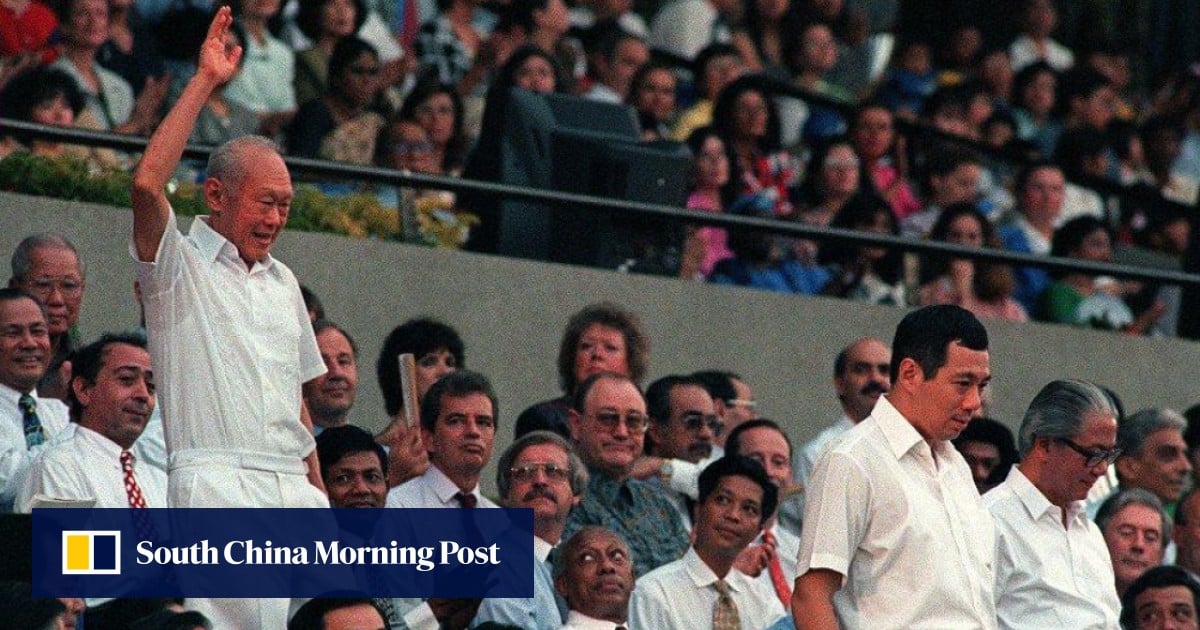
One of the lesser-known instruments used by Singapore’s founding prime minister, Lee Kuan Yew, in identifying political candidates and future ministers was psychological screening.
The premise was simple but profound: political leadership carries consequences too large to be entrusted to individuals whose judgement may be distorted by insecurity or an unstable temperament. Within Singapore’s meritocratic system, competence alone was not enough; psychological balance and emotional discipline were treated as equally vital qualities.
The reasoning behind this approach becomes clearer when leadership is understood not merely as a domestic matter but as a force with international repercussions. When a leader exercises poor judgement, the damage might not stop at national borders. In a world of interdependent economies and complex alliances, the decisions of one government can easily develop into crises affecting many others.
Today’s geopolitical environment makes this reality even more apparent. Strategic competition between major powers, particularly the United States and China, is frequently framed in structural terms: trade disputes, technological rivalry and military positioning. Yet another factor often receives less attention – the personalities of those who hold power.
Modern democratic systems are highly effective in measuring popularity. Elections test campaign strategy, rhetorical skill and the ability to mobilise voters. What they rarely examine is whether those who seek power possess the psychological temperament required to wield it responsibly.