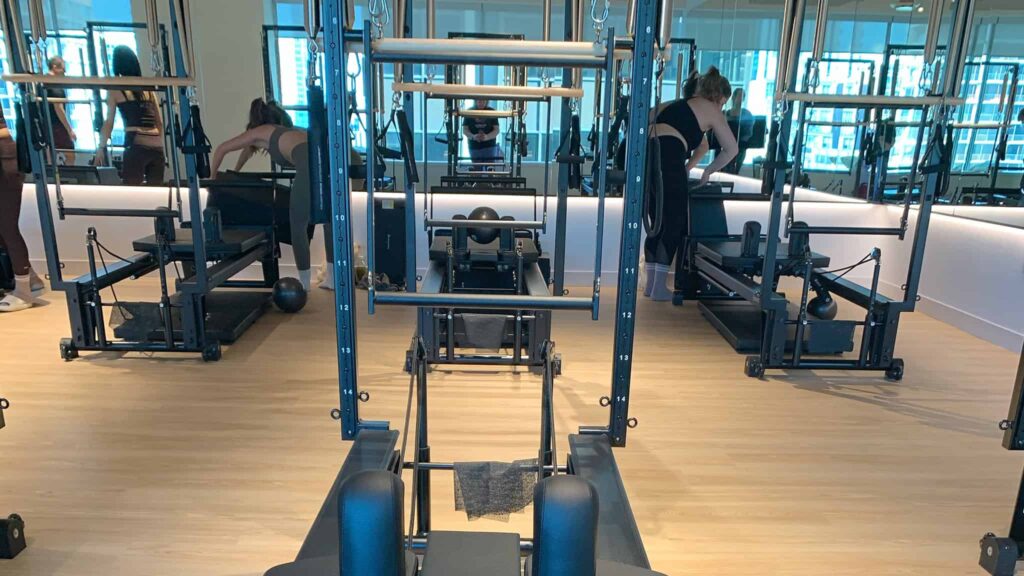
An old fitness method is seeing a boom in Toronto and across the region.
Pilates studios are popping up around the Greater Toronto Area recently, including a huge new Reformer space, Stott Pilates Studio and Academy, on the 10th floor of 2 Bloor St. E. at Yonge Street in Toronto.
Developed in Toronto, Stott Pilates is now one of the most widely practiced contemporary Pilates methods worldwide.
Pilates was originally developed by German-American gymnast, bodybuilder and namesake Joseph H. Pilates in the early 1900s. Born in Prussia (now Germany), Joseph Pilates was imprisoned in England following the outbreak of the First World War.
While in prison camps, he assisted in rehabilitating injured inmates by devising exercises that they could perform in their hospital beds, some of which involved gripping bedsprings affixed to the wall to create resistance in the movements, according to a history in Britannica.
The bedsprings later inspired Pilates to design and patent spring-loaded furniture specifically for his exercise program.

A modern version of this spring-loaded furniture is used now in what is called Pilates Reformer machines. These machines now include springs, straps and a sliding bed to build core strength, flexibility and stability.
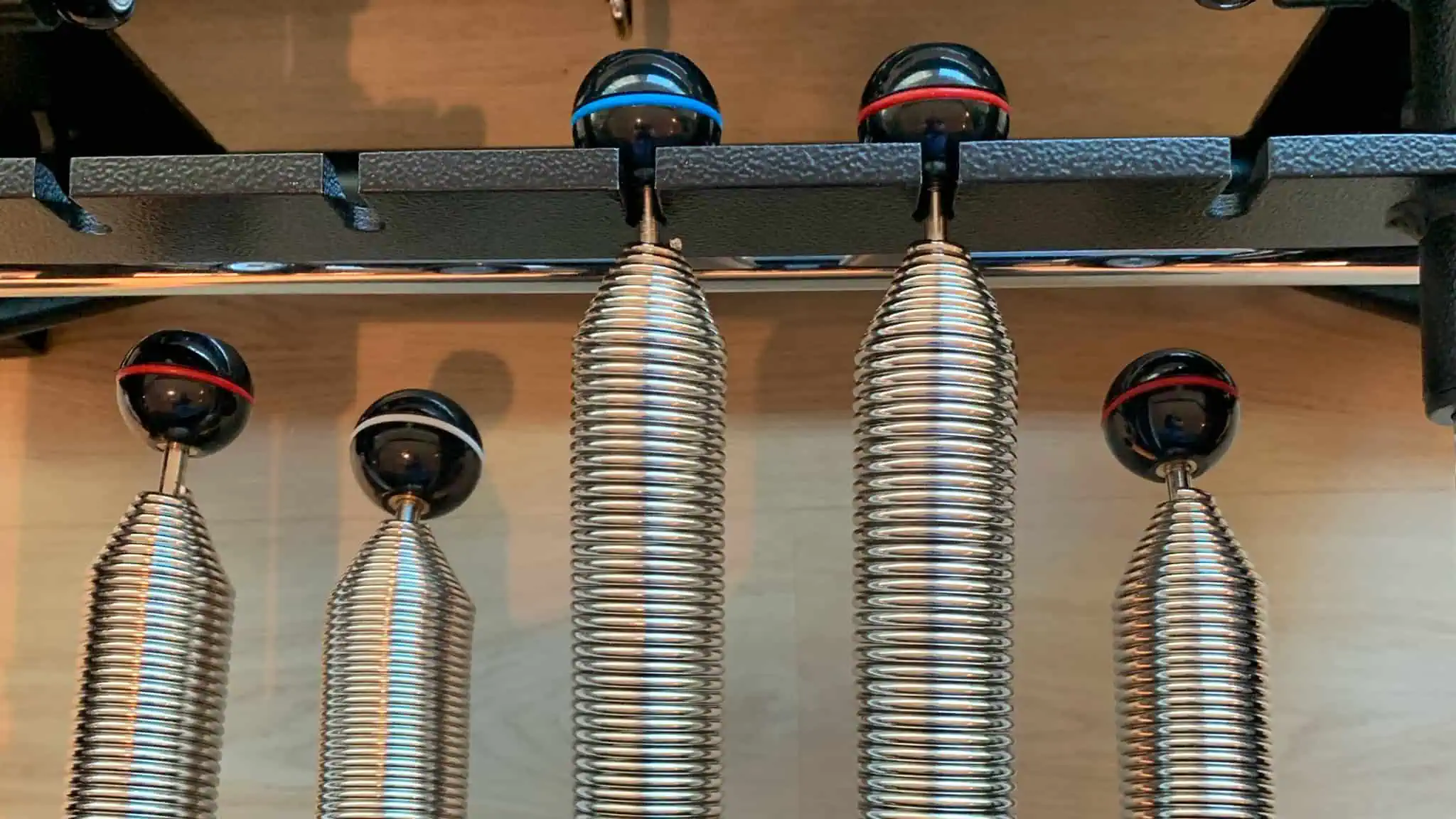
The springs in the Reformer machines allow for tension adjustments. Photo: Karen Longwell
Fitness studios are adding these machines, along with mat Pilates classes, due to the growing popularity of the exercise.
Participation in Reformer-based classes in the U.S. has jumped nearly 40 per cent in the past five years, according to a press release from Stott Pilates Studio and Academy.
Toronto studio owner MJ Shaw, who opened Soul Fuel Fitness in 2019, added a Reformer studio in 2024. On a visit to New York City, Shaw saw the growth of Pilates studios, and she knew Toronto would follow.
“The trend had already started,” Shaw said. “I would say it started to blow up here two, three years ago.”
Shaw wasn’t sure the trend would last, but she believes it will continue.
The growth could be due in part to a change in trademark, which had prevented fitness professionals from calling themselves Pilates instructors. A 2000 decision in Manhattan’s federal court made Pilates a generic term, much like yoga or karate.
Recent changes also include more accessible machines, group classes and adding music to classes. Previously, Reformer classes were done one-on-one or in small groups.
“Group Reformer has become so popular, it really wasn’t 20 years ago,” Shaw said. “But now you have rooms with 20 or 30 machines…it’s just become more of a party.”
Jim Heidenreich, CEO of Merrithew, agrees. Founded in 1988 and based in Toronto, Merrithew is best known for the Stott Pilates method. Stott Pilates is a contemporary approach to the original exercise method pioneered by Joseph Pilates. Co-founders Lindsay G. Merrithew and Moira Merrithew, along with a team of physical therapists, sports medicine and fitness professionals, developed the method in the 1990s.
“I think that community element of people doing the group Reformer has exposed a lot more people to it and it has become a lot more mainstream,” Heidenreich said at the opening celebration of the Stott Pilates Studio and Academy last week.
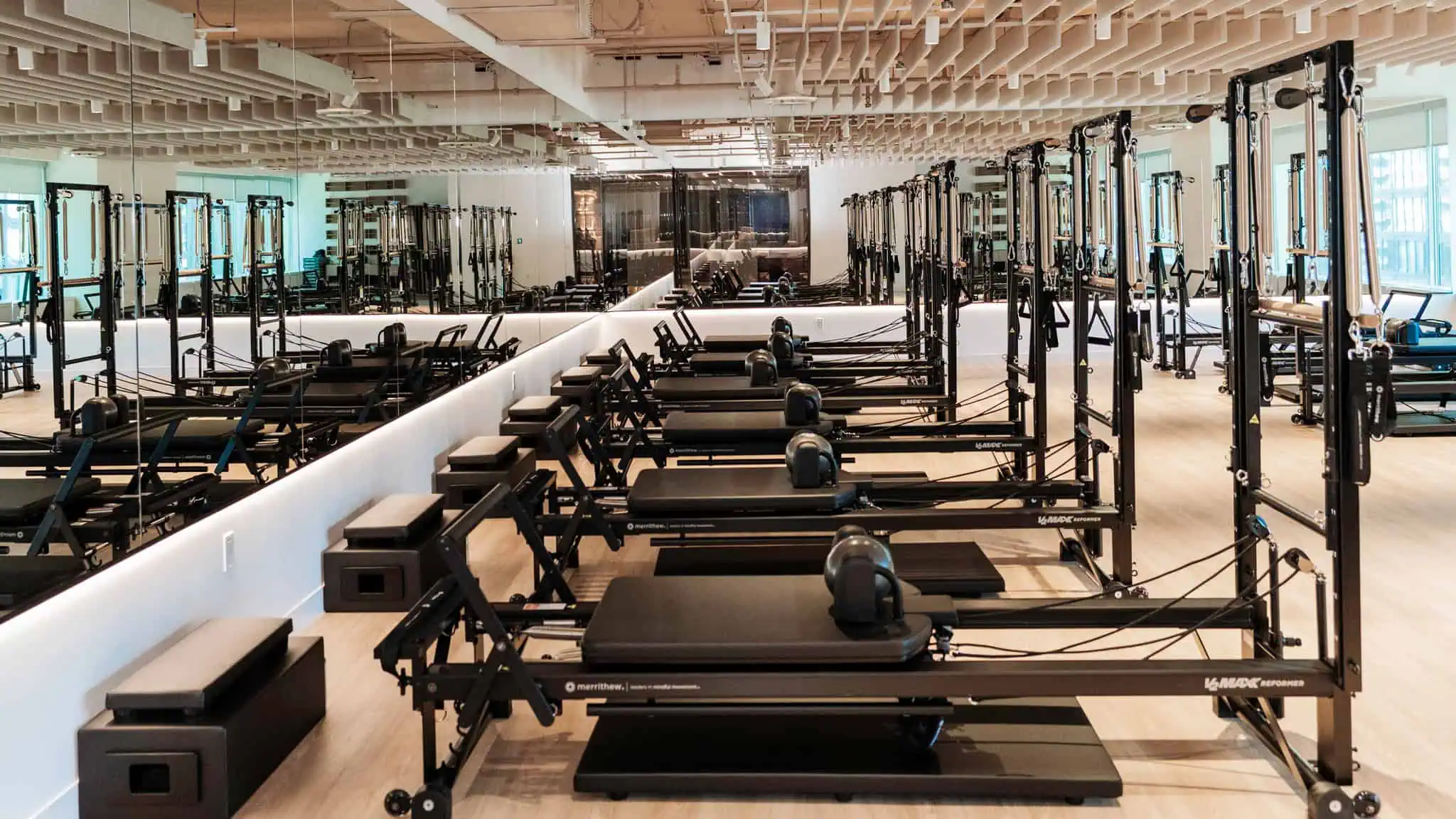
The group Reformer studio at Stott Pilates Studio and Academy. Photo: Stott Pilates Studio and Academy
The 15,000 square-foot space at Yonge and Bloor features three studios along with spaces to train Pilates instructors, said Heidenreich. The Reformer studio has 12 machines. There is a chair and matt studio with 10 stability chairs for group classes, and there is a private studio for one-on-one, semi-private and small group training.
Heidenreich said more people are also encountering Pilates through rehab, sports training and older adult fitness.
“It is amenable to somebody who is coming out of a physio situation for corrective exercise and you can also fine-tune it and make it relevant to the athletic community as well,” said Jennifer Dahl, Stott Pilates master trainer.
Also coming out of COVID, people started to become more interested in health and fitness, and Reformer Pilates offered that sense of community people missed during lockdown, Heidenreich said.
“Pilates is different because it’s about alignment, it’s about breath, it’s about mind-body—that encourages a community element to it and I think the experience and the community element is something people are really enjoying,” Heidenreich said.
Social media has also played a role, said Wayne Seeto, director of education programming at Merrithew/Stott Pilates.
“I think social media allows you to show that it is accessible,” said Seeto. “Before you had to know someone or have a reason for doing Pilates, but now you see it, and you think, ‘Oh I think I can do that.’”
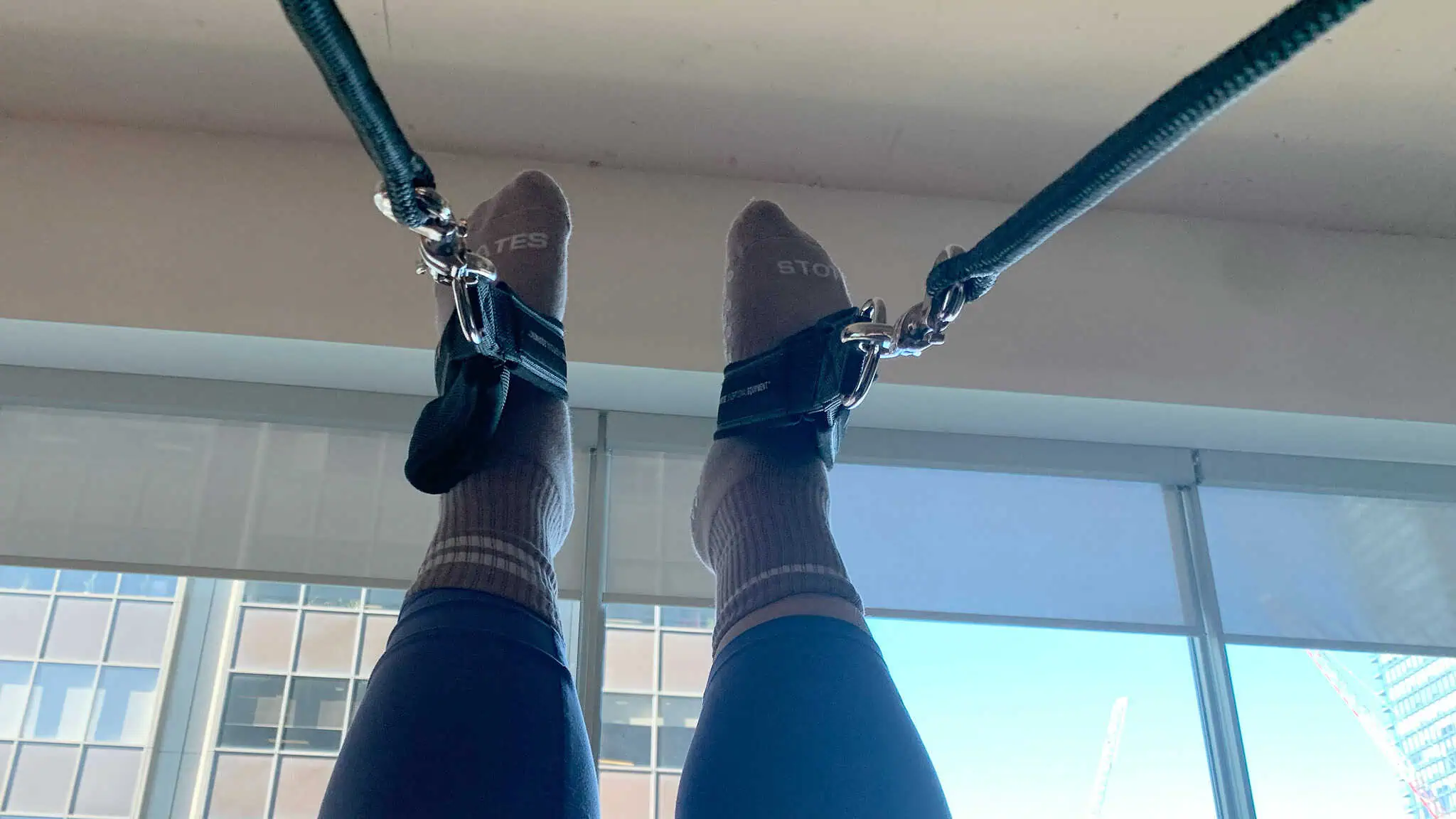
Stott Pilates Reformer machines have straps, sliding beds and springs for a full body workout. Photo: Karen Longwell
The growth continues for Shaw’s studio, where she plans to add three or four more Reformer machines for a total of around 12 this spring. The High Park area neighbourhood near Soul Fuel has had at least four or five new Reformer Pilates studios open since 2019.
“That’s how fast it’s grown,” said Shaw.
Lead photo of Stott Pilates Studio and Academy: Karen Longwell
INsauga’s Editorial Standards and Policies
Last 30 Days: 33,204 Votes
All Time: 1,258,256 Votes
616 VOTES
Are you worried you might lose your job in the next 6-12 months?
WIN A $100 GIFT CARD
Subscribe to INsauga’s daily email newsletter for a chance to win a $100 Amazon gift card.