Eli Lilly and Co on Thursday issued a public warning about potential safety risks linked to compounded tirzepatide products that are mixed with vitamin B12.
The company said internal testing detected a previously unidentified impurity formed when the two substances interact.
The drugmaker evaluated compounded products marketed in the U.S. that combine tirzepatide with vitamin B12—also referred to as methylcobalamin, hydroxocobalamin, or cyanocobalamin.
Laboratory testing revealed significant levels of an impurity created through a chemical reaction between tirzepatide and the vitamin.
Don’t Miss:
Unknown Health Effects Raise Safety Questions
Lilly said the newly identified impurity raises concerns because its effects in humans are unknown.
The company noted there is no data on how the compound could influence tirzepatide’s interaction with GLP-1 and GIP receptors, or its potential toxicity, immune response, and pharmacokinetics.
The company emphasized that tirzepatide has never been studied in combination with vitamin B12.
Pharmacies producing compounded versions are not required to track or report adverse events in the same way as manufacturers of FDA-approved medicines.
Lilly warned that individuals receiving compounded tirzepatide-B12 products through telehealth platforms, medical spas, or compounding pharmacies could be exposed to potentially dangerous treatments with unknown risks.
Trending: Own the Characters, Not Just the Content: Inside a Fast-Growing Pre-IPO IP Company
Criticism Against Mass Compounding Of Eli Lilly’s Tirzepatide
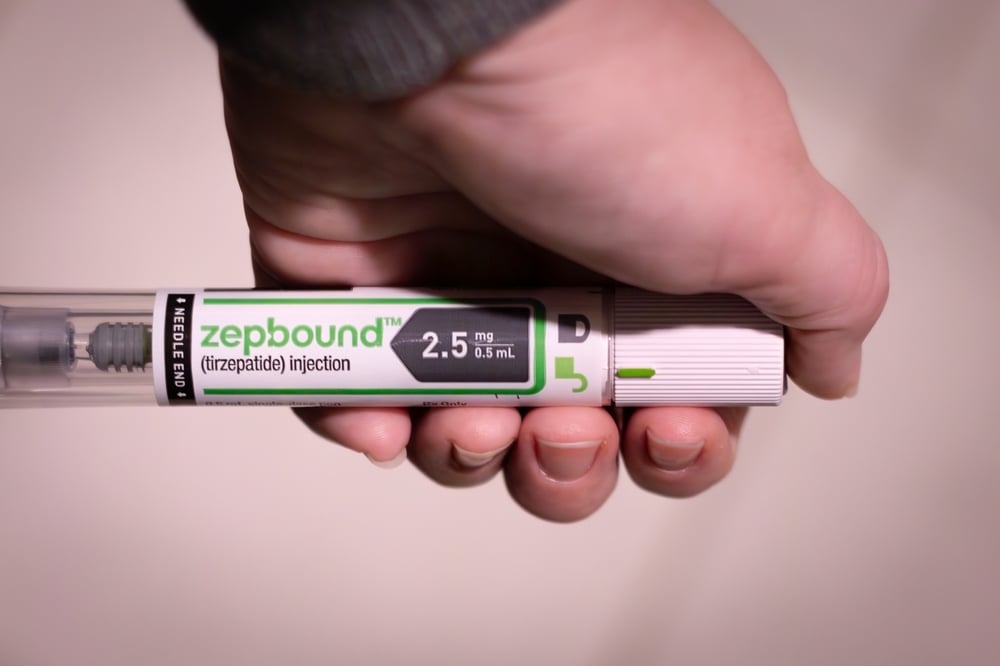
Lilly reiterated broader concerns about mass-compounded versions of its tirzepatide medicines, Mounjaro and Zepbound.
The company said it supports recent FDA steps aimed at curbing the distribution of compounded anti-obesity drugs that it believes violate regulatory standards.
According to Lilly, some compounders continue to market so-called “personalized” versions of tirzepatide by adding ingredients such as vitamin B12.
The company argued these formulations are often not customized for individual patients but instead use identical additives in bulk-produced products.
See Also: 1.5 Million Users Are Already Working Inside This AI Platform — Investors Can Still Get In
Additional Additives May Introduce Further Risks
Beyond vitamin B12, Lilly said compounders have mixed tirzepatide with substances including glycine, pyridoxine, niacinamide, and carnitine, creating combinations that have not undergone clinical testing.
The company said its testing has also identified other potential safety problems in compounded tirzepatide products, including bacterial contamination, elevated endotoxin levels, and additional impurities not present in its FDA-approved medicines.
The company also encouraged the FDA to consider recalls of compounded tirzepatide products containing untested additives such as vitamin B12.
Read Next: It’s no wonder Jeff Bezos holds over $250 million in art — this alternative asset has outpaced the S&P 500 since 1995, delivering an average annual return of 11.4%. Here’s how everyday investors are getting started.
Image via Shutterstock
Up Next: Transform your trading with Benzinga Edge’s one-of-a-kind market trade ideas and tools. Click now to access unique insights that can set you ahead in today’s competitive market.
Get the latest stock analysis from Benzinga:
This article Using Obesity Drug? Eli Lilly Flags Unknown Impurity Found In Compounded Weight Loss Drugs With Vitamin B12 originally appeared on Benzinga.com