“It’s not making anybody in town here happy, but you’ve still got to pay your bill,” said Springville resident Jim Fleckenstein.
SPRINGVILLE, N.Y. — As Western New Yorkers grapple with high electric bills, some customers who are usually insulated from price swings are now facing the same pressures as those served by public utilities.
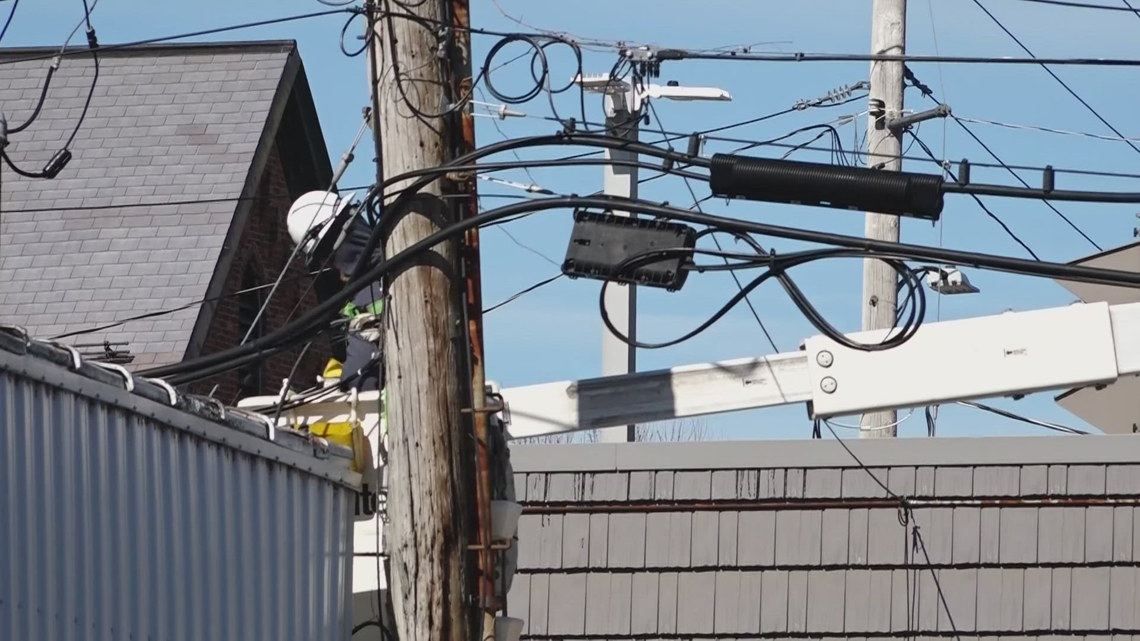
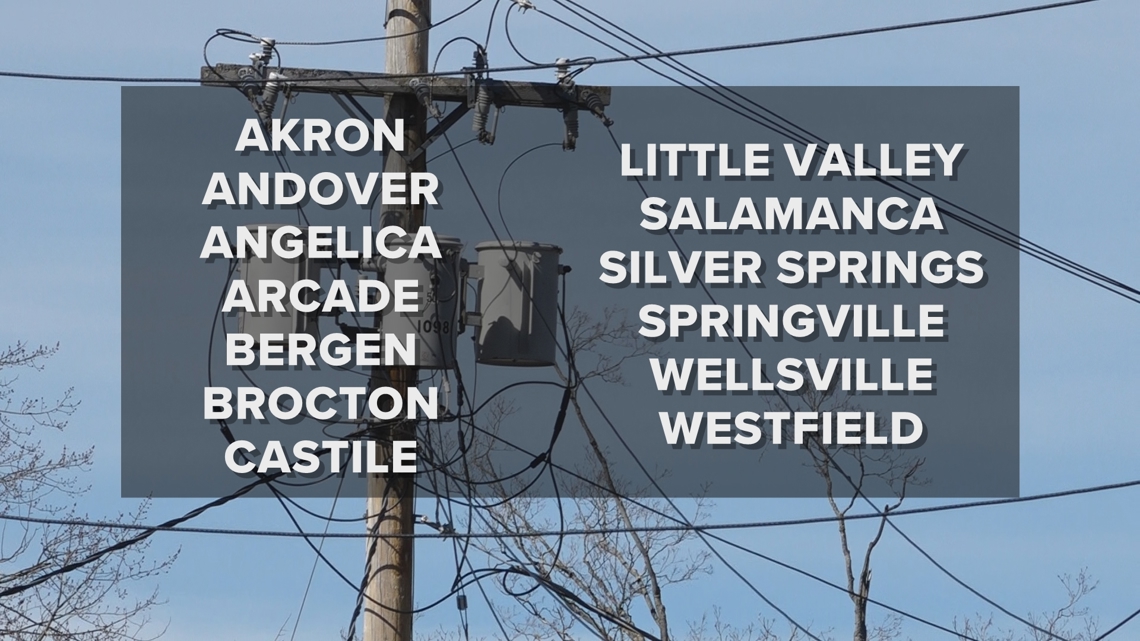
The Village of Springville, one of 13 municipal electric utilities in Western New York, has seen residents reporting unusually high monthly bills since the start of the new year.
RELATED: National Grid explains why some customers are facing higher energy bills
Springville resident Jim Fleckenstein said the increase came as a shock.
“It’s kind of a sticker shock going up $90,” Fleckenstein said.
Other residents say the increases have been even steeper. Some reported bills doubling to over $200, while others say their monthly charges have soared to $800.
“Some people’s bills were like $800 for a month,” Fleckenstein said. “Now what are you supposed to do? How can you live? It’s absurd. Are you supposed to eat or pay the electric bill?”

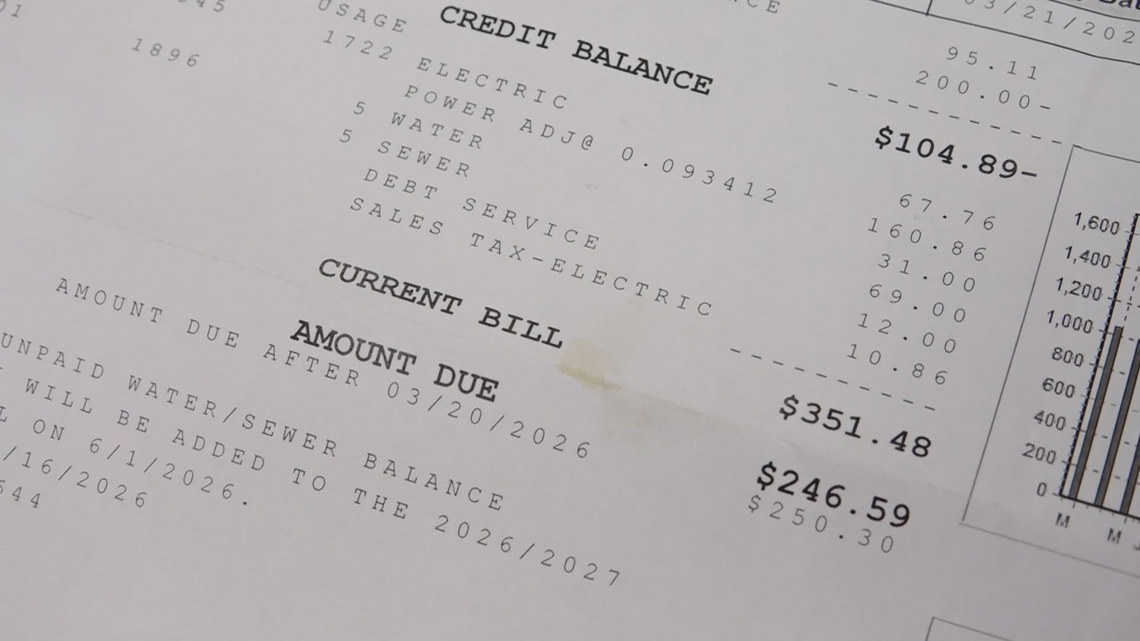
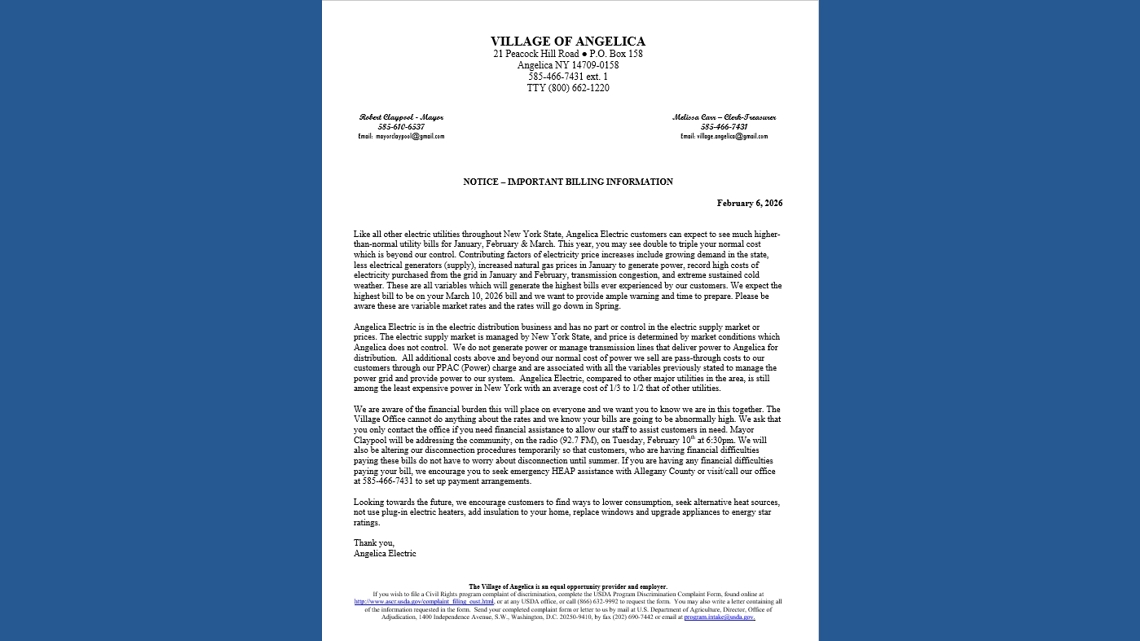
Statements from the region’s 13 municipal electric utilities say the spike reflects a combination of factors, including a colder-than-average winter, higher power demand, reduced supply, and increased infrastructure costs. Explainers have been mailed or posted on municipal websites like Salamanca, Andover, Little Valley, Angelica, and Springville, to name a few.
“I threw it in the garbage,” said Fleckenstein. “What’s a letter going to do? To be honest with you. You still have to pay the bill.”

The rising bills have strained household budgets across the community. Sharon Heinen, whose organization Love In the Name of Christ helps residents with basic needs, said her group has been assisting Springville residents with utility payments throughout the winter.
“A lot of fixed-income families, single moms, just general low-income households,” Heinen said. “Even households where both husband and wife are working can usually make it, but when costs rise, or the car breaks down, it becomes really difficult to pay their bills.”
Other municipal utilities report similar challenges. The Village of Angelica warned that some customers’ bills could be “double to triple” their normal amounts, higher, they say, than their customers have ever experienced.
Officials in Little Valley explained that during months when the village exceeds its allocation of low-cost hydroelectric power from Niagara Falls, additional electricity must be purchased from the broader utility market, and the price per kWh is typically double their usual rate.
The New York Municipal Power Agency (NYMPA) uses forward hedging to predict and purchase fixed quantities of electricity at a price pre-determined by New York’s Independent System Operator (ISO). This undercuts the market price by $0.07 per kWh according to Salamanca Power, which typically charges members $0.16 per kWh instead of the $0.23 market price.
If the amount of electricity used exceeds what was hedged, like during a colder-than-average winter, municipal customers pay the difference, no different than public utility customers. Those higher prices are reflected in a power adjustment line on customer bills.

Even organizations like Heinens aren’t immune to the increase. Heinen said Love In The Name of Christ’s bill doubled last month.
“Our normal bills are about $230, and with the increased cold this year, they have gone up,” she said. “A lot of people use electric for heat in Springville because the electricity is so cheap. This month our bill is $440.”
For many residents, the options are limited, but there is help available through the Salvation Army and local churches, Heinen says.
“Kind of roll with it. What else can you do?” Fleckenstein said. “I don’t want to fight the powers that be, so you just do your best to pay your bills and go from there.”
To help residents manage the higher costs, Springville officials are giving customers extra time to pay their bills through May and offering payment plans. Other municipal utilities in Western New York have delayed service disconnections until the summer.
Fleckenstein said he appreciates the assistance, though the bills remain a burden.
“It’s not making anybody in town here happy,” he said. “But you’ve still got to pay your bill.”
Officials say electric rates are expected to decline this spring as demand eases.