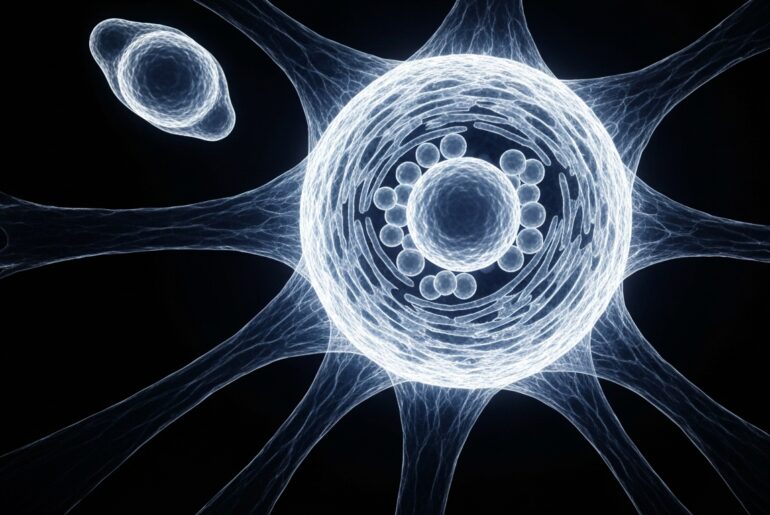
We often judge our immune systems based on how many colds we catch in a year, but experts say that’s an oversimplification of what is a highly complex network of cells, tissues and organs that works together to defend the body against foreign invaders.
“The immune system is not a single pathway,” explains Dr Jenna Macciochi, immunologist and author. “It involves multiple layers of defence that work together. These include physical barriers such as the skin and gut lining, the innate immune system which provides rapid early responses to threats, and the adaptive immune system which learns from previous exposures and builds longer-term immune memory.”
When functioning well, these systems work in coordination and respond appropriately to different challenges, Macciochi explains. “The immune system is able to recognise potential threats, viruses or bacteria, and mount an effective response to contain or eliminate them, and then switch that response off once the threat has passed. This process of activation, followed by resolution, is a key feature of healthy immune regulation.
New FeatureIn ShortQuick Stories. Same trusted journalism.
“For example, if you are exposed to a respiratory virus, a well-functioning system may detect the pathogen quickly, activate antiviral responses, and recruit immune cells that help clear the infection. Symptoms may still occur because many symptoms are actually part of the immune response, but the infection is typically resolved without complications.”
By contrast, when immune function is impaired or poorly regulated, problems can arise in several ways. “The response may be too slow or insufficient, which can increase susceptibility to infections or prolong recovery. Alternatively, the immune system may become overly reactive or fail to switch off, which can contribute to allergies, chronic inflammation or autoimmune conditions. Someone with weakened immune defences may experience frequent infections that linger for longer than expected, or infections that progress to secondary complications such as chest infections.
“In other cases, immune dysregulation might show up as the system reacting strongly to relatively harmless triggers,” Dr Macciochi says. “So rather than simply thinking about immunity as ‘strong,’ scientists increasingly talk about ‘immune resilience,’ the ability of the immune system to respond appropriately and return to balance afterwards”.
There is no hierarchy when it comes to immune systems, according to Dan Davis, professor of molecular immunology at Imperial College London and author of Self Defence: A myth-busting guide to immune health. “There is such vast diversity in immune systems, it is not as simple as yours being ‘better’ or ‘worse’ than mine. People with an immune system good in one situation, will often be worse in another — all of us are a little bit more susceptible to certain infections or diseases and stronger at fighting off others,” he says.
“For example, it’s inevitable that some people are going to be more susceptible to this season’s cold viruses or feel its effects more than others. Symptoms vary for lots of reasons: our lifestyle, previous illnesses or age but also because of something fundamentally important which you can’t alter – your genes. If you look at the number of different versions of genes that you might inherit, immune system genes really are by far the most diverse things amongst people,” Davis says.
People tend to blame themselves for getting ill, he observes. “If someone you know gets better with a cold in two days and you get better in a week, you might think it’s because you haven’t exercised enough or it’s because you’re not sleeping well. But it could just be true that there’s something about the way your immune system is set up that makes you more susceptible to that illness. So, the next time you’re in bed feeling exhausted, and others around you have bounced back more quickly, it does not necessarily mean you are weaker, too highly stressed or low in some vitamin or other.”
Professor Lucy Walker, chair in immune regulation at University College London, adds that for this reason, there is no single measure of “immune health.” “If 10 healthy people are infected with a virus, some may have no symptoms while others feel quite unwell. With a different virus, the pattern may reverse. This natural variation makes it hard to judge immune health from how you respond to a cold.” More broadly, however, “your immune system is influenced by your overall health,” she notes. “So looking after yourself is beneficial.”
As Aimee Bernard, associate professor at the University of Colorado Anschutz, puts it: “Eating a well-balanced diet, reducing (or managing) stress, exercising regularly and getting decent sleep gives the immune system the best chance at being strong, but these lifestyle behaviours are not foolproof; they contribute to overall good health and ultimately to a healthier immune system, but it’s important to remember we are not in total control of our health,” she says.
“Some people – regardless of what they do – will develop disease based on their genetics and environmental factors. While in some cases we can delay the development of disease, we can’t completely prevent disease.”
Signs of a well-functioning immune system
While there isn’t a single visible marker of immune health, certain patterns may suggest that the system is functioning efficiently, Dr Macciochi notes. “It’s important to remember that these are broad patterns rather than diagnostic indicators,” she says.
Quick recovery from infections
“Most adults will still catch colds from time to time. A well-regulated system doesn’t necessarily prevent exposure, but it may help you clear infections efficiently, meaning symptoms resolve in a reasonable timeframe without complications.”
 A well-regulated system means symptoms resolve in a reasonable timeframe (Photo: MTStock Studio/E+/Getty)
Small wounds heal easily
“The immune system plays a central role in wound healing. Efficient immune responses help control infection risk and coordinate the repair process, so cuts or scrapes tend to close and recover in a typical timeframe.”
Smooth and stable digestion
“A large proportion of immune activity occurs in the gut. While occasional digestive upset is normal, generally stable gastrointestinal function can reflect a well-balanced interaction between the immune system and the gut microbiome.”
Minimal inflammation
“The immune system is responsible for inflammation, but it should also be able to switch that response off. Constant low-grade inflammation or frequent inflammatory flare-ups may indicate that immune regulation is not functioning optimally.”
Consistent energy levels
You generally feel able to maintain consistent energy and recover from everyday stressors.
“Immune activity requires significant energy and coordination with other systems such as the nervous and endocrine systems. While many factors influence energy levels, chronic immune activation or frequent illness can place additional strain on the body.”
How to support immune health
Limited stress
“The one lifestyle factor which most scientists agree will affect your immune health is long-term stress,” Davis says. “There is abundant evidence that stress affects immune health. Stress increases cortisol levels, which dampen immune responses. Stress is part of life and not entirely avoidable, but managing or limiting chronic long-term stress is important.”
Routine vaccines
“Vaccines train our immune systems,” says Bernard. “Vaccines introduce a harmless version or piece of a pathogen (virus or bacteria) into our body to give our immune system something to train on. Vaccines allow our body to practice and build protection so that if we encounter the infectious pathogen out in real life, our immune system is ready to fight and defend us. Vaccines are like seat belts – while they may not prevent the “crash” (infection), they provide protection from serious harm and death.”
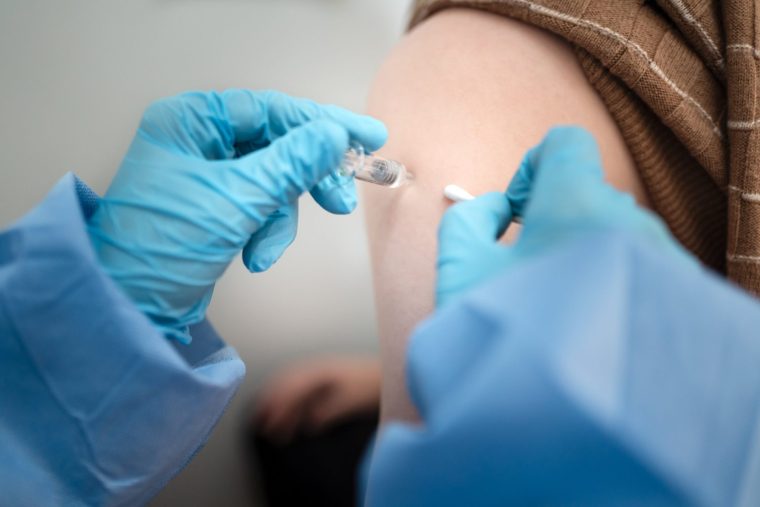 ‘Vaccines allow our body to practice and build protection’, says Aimee Bernard (Photo: Eugene/Getty)
Prioritise sleep
“Sleep is one of the most powerful regulators of immune function,” according to Dr Macciochi. “During sleep, the body coordinates immune signalling and memory formation that help it respond more effectively to pathogens in the future. Even small improvements in sleep consistency can make a meaningful difference.”
A rich and varied diet
“The immune system relies on a wide range of nutrients, fibre and plant compounds that support both immune cells and the gut microbiome,” Machiochi says. “A dietary pattern rich in whole foods, particularly vegetables, fruit, legumes, nuts, seeds and high-quality fats such as extra virgin olive oil. Omega-3s and vitamin D are also important.”
Tuned-in symptoms
“Many of the symptoms we associate with illness, such as fever, fatigue, inflammation or a runny nose, are actually part of the immune system’s defence strategy,” Macciochi says. “They reflect the body activating protective pathways.
“While medications absolutely have an important role, particularly when symptoms are severe or prolonged, it’s not always necessary to suppress every mild symptom immediately. Sometimes those signals are simply evidence that the immune system is doing its job. We should see them as information. Do we need to slow down or adjust our lives?
“Immune health isn’t about chasing perfection or never getting sick. It’s about supporting the system that allows your body to respond, adapt and recover effectively over time.”