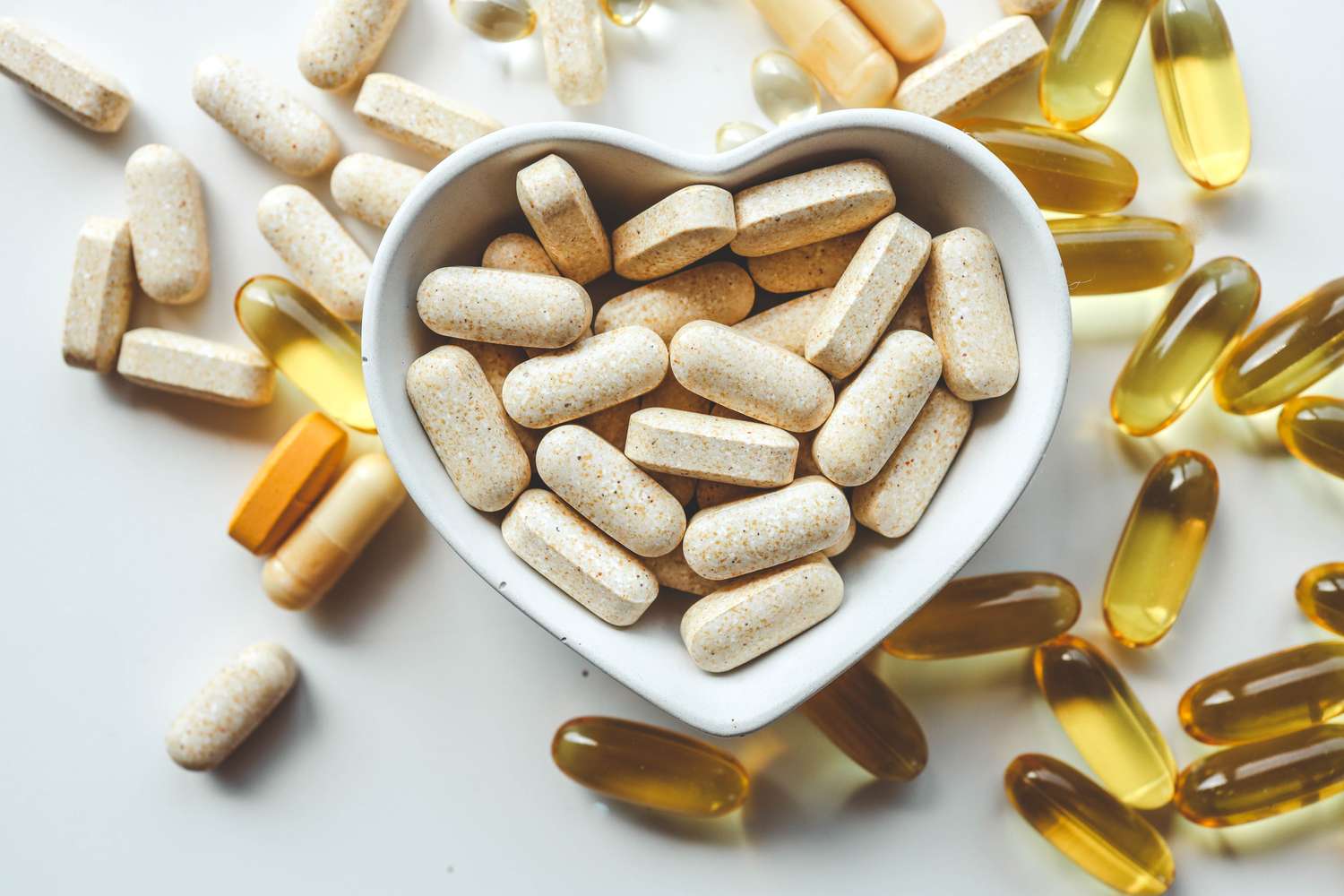
If you’re still recalibrating after the time change and gearing up for a change of season, here are some of the latest health and wellness trends to consider adding to your spring to-do list.
1. Magnesium may support heart health, too 🫀
If you’ve been taking magnesium mainly for sleep, you might not think about its other potential health benefits. But as an electrolyte, magnesium plays an important role in heart health because it helps regulate the electrical signals that keep your heart beating in rhythm.
A daily supplement probably won’t correct a condition like atrial fibrillation. However, some evidence suggests that magnesium given through an IV may help slow heart rate in certain cases.
2. Don’t worry about eggs and your blood pressure 🥚
Eating eggs probably won’t raise your blood pressure. As long as your meal isn’t loaded with salt or saturated fat, eggs can remain part of your breakfast routine.
Still, it’s important to check in with your healthcare provider about your dietary needs. Some people can eat eggs regularly and still meet their health goals, while others may need to limit them to better manage cholesterol, blood pressure, or weight.
3. Straining yogurt is a trend now 🥛
Another week, another viral protein trend, and this time it’s “dry yogurt.” If you haven’t heard of it, it’s essentially ultra-strained yogurt with almost all of the whey (the liquid part) removed. The result is a thicker yogurt that’s highly concentrated in protein.
It may help you hit your protein goals, but the texture isn’t for everyone. If you prefer the creamy, lighter consistency of traditional yogurt, dry yogurt might not appeal to you.
4. Get in the mood with vitamin D 💏🏻
Being deficient in vitamin D can leave you feeling tired, moody, and hormonally out of balance. Vitamin D plays a role in producing hormones like testosterone and estrogen, which influence libido and sexual function.
If you’ve been experiencing erectile dysfunction, low libido, fatigue, or mood changes, it may be worth checking your vitamin D levels.
5. Take your multivitamins with food 🤢
If taking your morning multivitamin makes your stomach turn, you’re not imagining it. Vitamins can irritate the stomach, especially when you haven’t eaten any food.
Because multivitamins are highly concentrated, taking them without food can trigger nausea for some people. You should also check the label: fat-soluble vitamins like A, D, E, and K are often better absorbed when taken with food.
You might also try changing the time you take it, such as switching from morning to after dinner.

Abby Norman is a writer and editor with more than a decade of experience in the healthcare industry.
Thanks for your feedback!
What is your feedback?
Helpful
Report an Error
Other