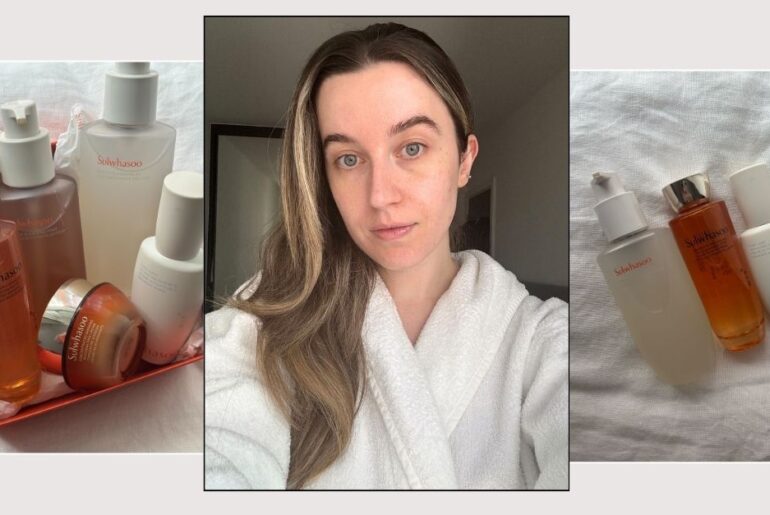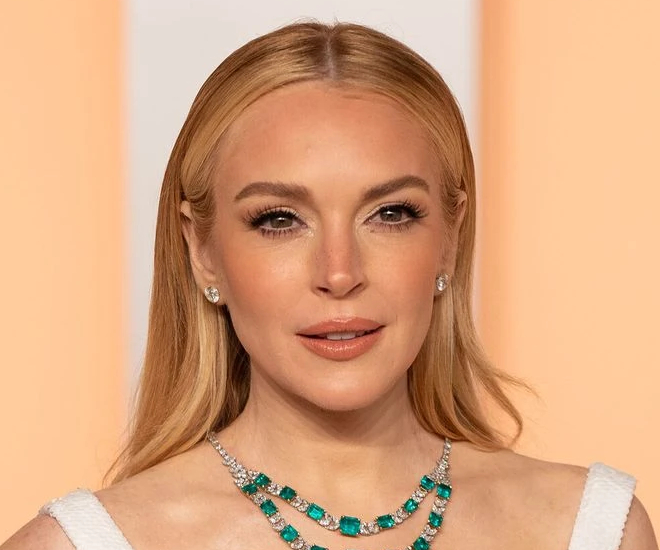
Since the rise of red carpet media and celebrity branding in the early to mid 2000s, the awards season red carpet as we know it today functions as a multi-layered ecosystem where content, commerce and clinical-grade preparation operate in synchronicity. “The Secret Star of the Oscars!” reads an email from Charlotte Tilbury, highlighting how stars like Demi Moore and Michelle Yeoh used the brand’s Airbrush Flawless Setting Spray to achieve their non-effortless, effortless looks. The commodification of beauty at the red carpet is evident here as products are carefully positioned as markers of desirability and commercial influence, turning preparation into a marketable spectacle before the ceremony even begins.
While the aesthetic often appears effortless, the reality is a highly orchestrated machine designed to move product and pivot professional careers.
Institutionalisation of the Ritual
Red carpet beauty now begins hours before the physical event, shifting from a private ritual to a public-facing content asset. The rise of the Get Ready With Me (GRWM) content has turned the preparation phase into a primary marketing window. Media entities such as Vogue and Vanity Fair have institutionalised this through dedicated GRWM video series, transforming technical application into programmed storytelling. This format builds brand visibility before a celebrity even hits the pavement, offering fans a sense of participation while providing a streamlined vehicle for brand endorsements. These GRWM videos not only position actors in a more relatable, approachable light but also open avenues for commercial partnerships with the brands they feature, giving fans a sense of backstage access while turning preparation into marketing currency.
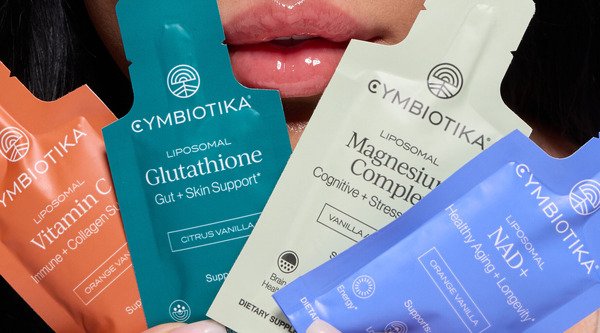
This commercialisation has extended into the Oscars 2026 “Everyone Wins” Nominee Gift Bags. Though not officially sanctioned by the Academy, these marketing-driven collections — valued at approximately USD 350,000 — bridge the gap between red carpet beauty and extreme wellness. Comprising everything from USD 25,000 facial rejuvenations to luxury cannabis and Sri Lankan retreats, the “swag bag” reinforces the red carpet as a launchpad for clinical-grade lifestyle products.
Red Carpet Beauty as a Career Pivot
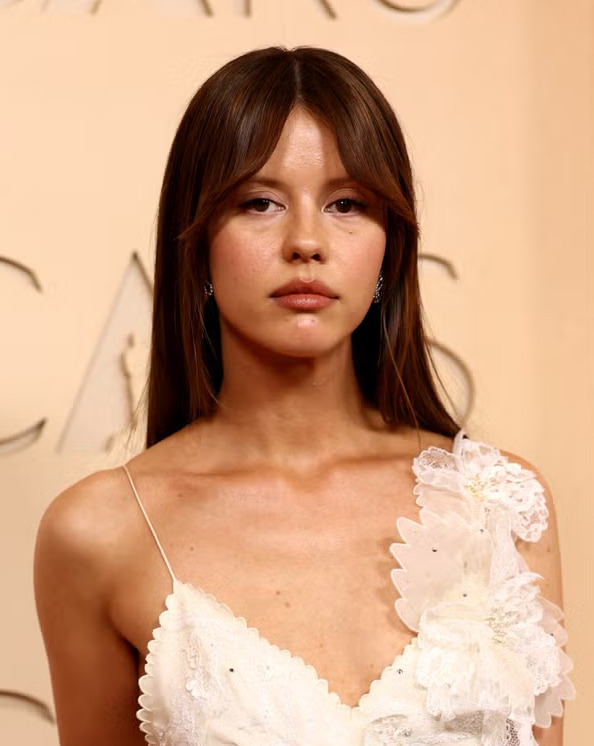
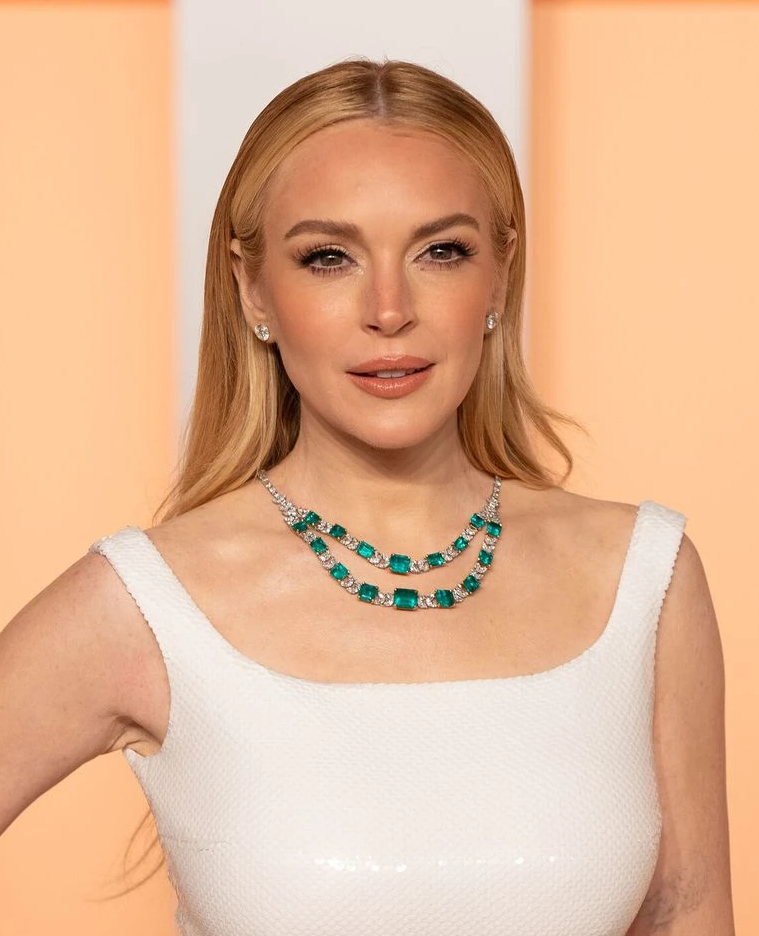
Mia Goth (Left), Lindsay Lohan (Right)
For an actor, red carpet makeup is a tool for identity signalling and the Oscars red carpet serves as the ultimate live audition for their potential project. This is particularly crucial for actors looking to distance themselves from their on-screen (or off-screen) personas in a bid to prevent being typecast for future potential roles.
Take Mia Goth, for example, who is known for her daring, genre-defying roles in horror and arthouse cinema. At the 98th Oscars, she utilised a patted back and polished aesthetic — achieved using a neutral palette of Dior Forever Skin Glow and Confident Nude lips — to pivot away from her typically unsettling characters and market her versatility. On the other hand, Lindsay Lohan is undergoing something of a personal rebrand, moving away from a tabloid-heavy past toward a renewed focus on acting and fashion ventures. Her rebranding era relies on the aspirational accessibility of Charlotte Tilbury, favouring the Hollywood Flawless Filter to signal a departure from her 2000s party girl persona. By opting for “effortless”, blank-canvas makeup, both actresses allowed the focus to remain on their evolving public personas rather than their past roles.
For the nominees, the goal is often to demonstrate range while non-nominated attendees are arguably even more strategic. Without a specific film narrative to anchor them for the night, their beauty looks define their professional trajectory. Whether it is the commercial appeal of Mikey Madison in Dior’s Rosewood tones or Gracie Abrams leveraging her Chanel ambassadorship to signal fashion alignment, the face functions as the ultimate professional business card.
The Blank Canvas vs The Veteran
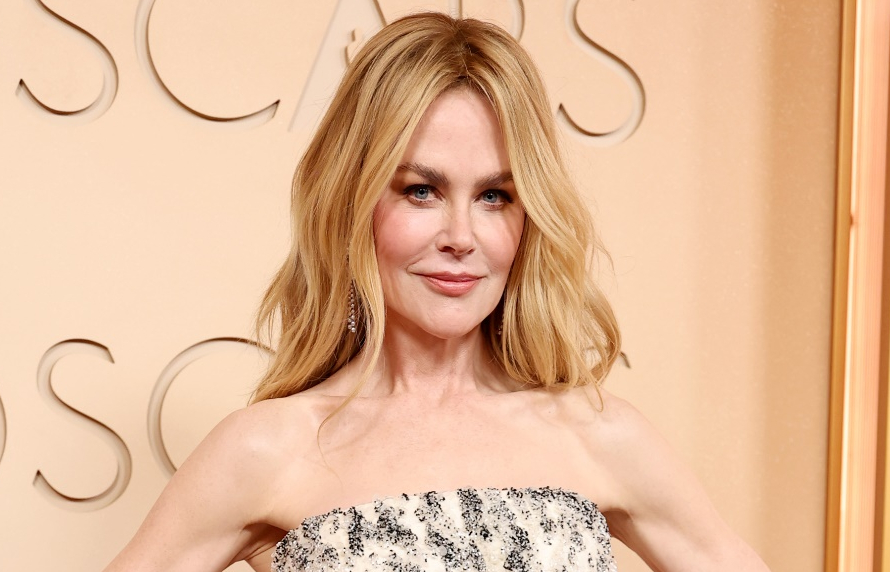
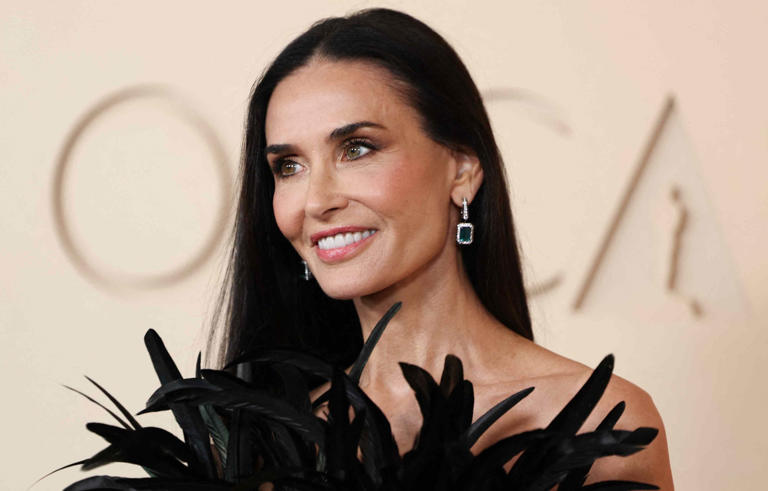
Nicole Kidman (Left), Demi Moore (Right)
There is a clear generational divide in how this “beauty system” is utilised. Younger actresses often present as a blank canvas, keeping their looks adaptable for future casting. In contrast, veterans such as Nicole Kidman or Demi Moore operate from a position of established power.
Kidman’s use of extra-fine skincare reinforces a classic, settled brand, emphasising a relaxed elegance over the need for rebranding or experimentation. Moore similarly leveraged understated yet meticulously crafted beauty choices, pairing luminous skin with signature statement pieces, projecting a mastery of red carpet poise. For these veterans, the red carpet is a reinforcement of a legacy. Their personas are already etched into pop culture; they set the standard rather than conform to it and their beauty choices signal authority and continuity rather than versatility. At the 98th Academy Awards, this was evident in the understated yet flawless complexions, precise contouring and hair styling of these actresses.
Aspirational Accessibility
Beneath the language of artistry, the red carpet functions as a live-action campaign rollout. At the 2026 Oscars, a convergence toward a unified aesthetic was evident: soft-focus skin, flushed tones and blurred lips. This was a result of saturation strategies by powerhouses such as Dior Beauty, Chanel Beauty and Charlotte Tilbury. In this sense, makeup artists operate as brand ambassadors as much as creatives. By repeating hero products — such as Charlotte Tilbury’s NEW! Pillow Talk Blush Balm Lip Tints — across multiple high-profile faces like Kate Hudson and Demi Moore, brands create a sense of market inevitability. The aesthetic may read as a high-stakes red carpet look, but the execution is standardised at the product level to ensure the average consumer can replicate those looks with a single purchase.
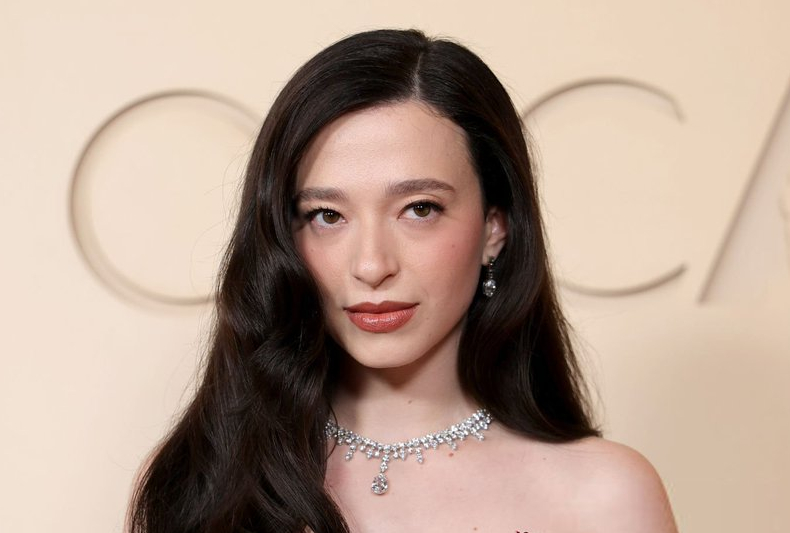
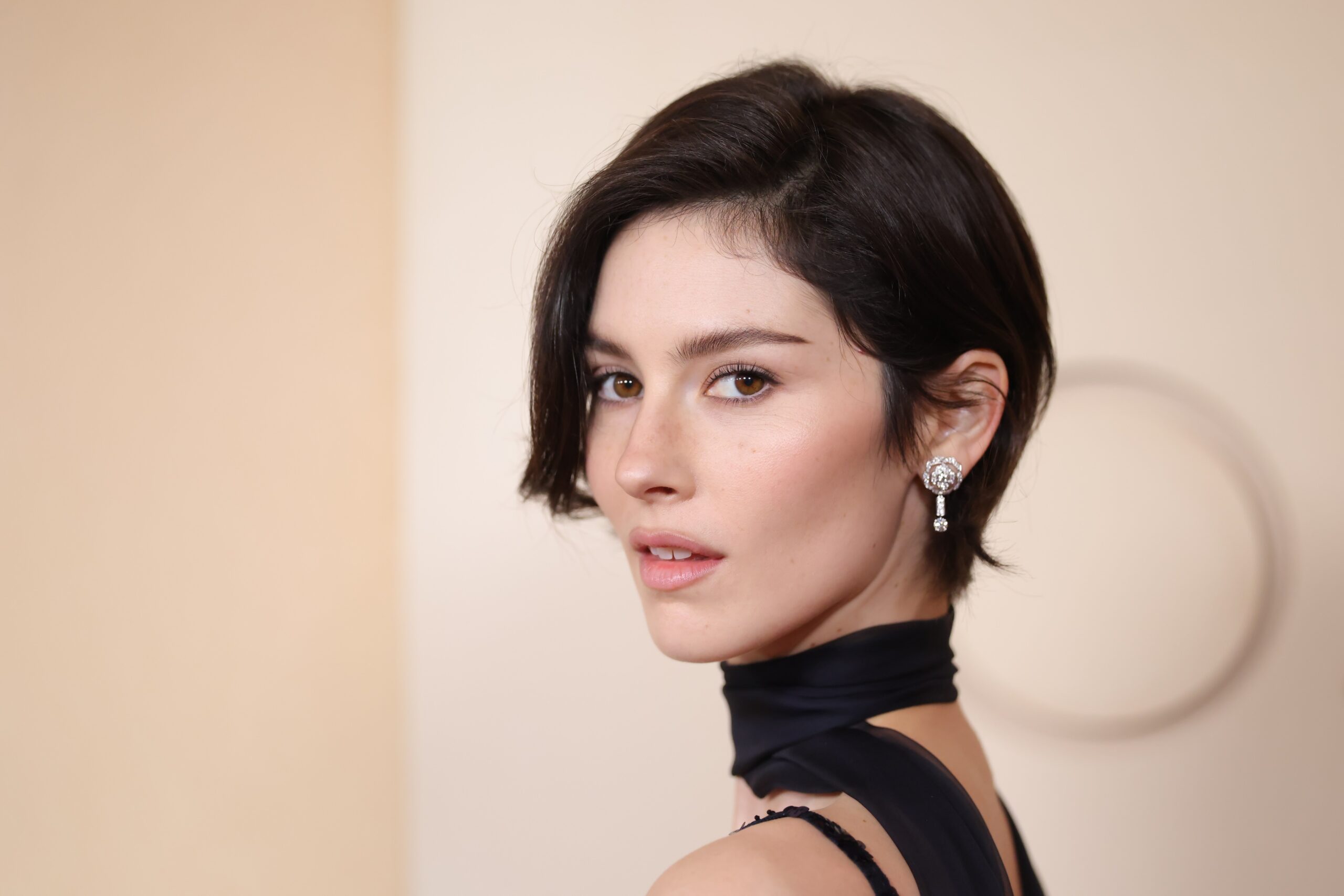
Mikey Madison (Left), Gracie Abrams (Right)
Then there is the rise of the “no-makeup” look — exemplified by Kpop Demon Hunters’ May Hong’s stripped-back Oscars prep for Interview Magazine. It is not a rejection of glamour, but a strategic move toward relatability. By trading traditional high-glam artifice for “bare-faced” skin, stars create a sense of authenticity that feels more intimate and trustworthy to a digital audience. This aesthetic allows luxury brands to market products as essential tools for clinical wellness rather than just decorative masks, effectively making the USD 100 serum feel like a mandatory investment for seemingly “effortless” results.
Through this lens of the beauty system, the red carpet has evolved into a sophisticated distribution channel. By the time a celebrity reaches the step-and-repeat, the selling is already done. The face is no longer just a canvas for art — it is a controlled environment for market dominance and personal branding.
For more on the latest in wellness and beauty reads, click here.