Measles Resurgence and the MMR Vaccine
MEASLES resurgence reinforces that the two dose MMR vaccine remains the strongest defense against severe disease.
A new literature review has highlighted measles as a persistent public health threat, emphasizing that its clinical impact extends well beyond acute febrile illness. Although often regarded as a vaccine preventable childhood infection, measles virus is described as a highly transmissible pathogen capable of causing profound immune disruption, serious complications, and prolonged vulnerability to other infections. The review identifies vaccination as the most effective preventive strategy, particularly as recent outbreaks have coincided with falling vaccine coverage.
How Measles Causes Lasting Immune Harm
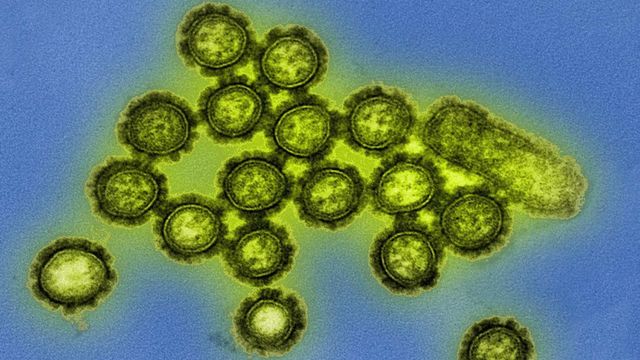
The review explains that measles virus targets immune and respiratory cells through host receptors including CD150 and nectin 4, enabling widespread dissemination after initial infection. Once established, the virus can interfere with interferon signaling, blunt inflammatory responses, and reduce key lymphocyte populations. This immune suppression can persist for months to years after infection and has been linked to loss of immune memory against previously encountered pathogens.
The authors also outline the broad clinical burden of measles. Acute complications include otitis media, pneumonia, keratoconjunctivitis, diarrhea, and encephalitis. More severe sequelae include measles associated pneumonia, measles inclusion body encephalitis, and subacute sclerosing panencephalitis, which may emerge years after the original infection. Risk is greatest in young children, unvaccinated adults, pregnant patients, malnourished individuals, and those who are immunocompromised.
Why The MMR Vaccine Remains Central
The review makes clear that there is currently no approved antiviral therapy that reliably alters the course of measles, leaving supportive care as the main treatment approach. While adjunctive interventions such as vitamin A, immunoglobulin, and investigational antiviral strategies may have roles in selected settings, none replace primary prevention.
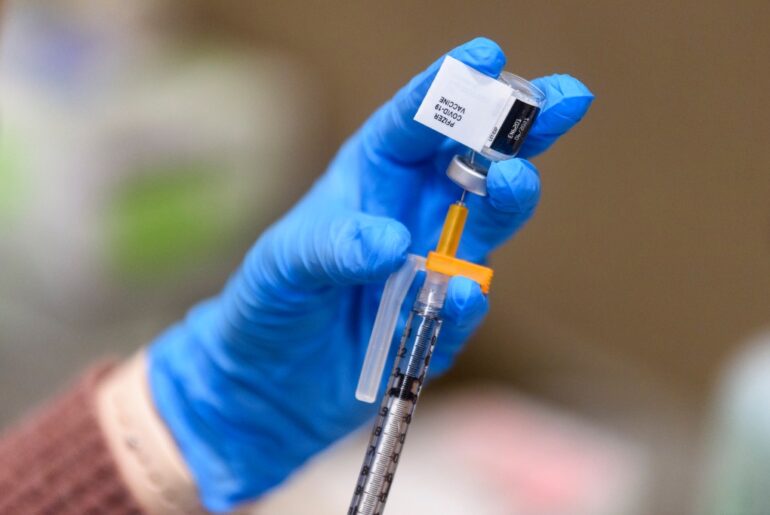
The two dose MMR vaccine remains the cornerstone of measles control because it supports both individual protection and herd immunity. The authors note that even modest declines in vaccination coverage can reopen immunity gaps and allow outbreaks to expand rapidly. They conclude that restoring confidence in vaccination, improving outreach, and strengthening surveillance are essential to limiting further measles resurgence in the United States and globally.
Reference
Au S. Measles: An Updated Literature Review of the Host Response, Pathogenesis, Complications, Prevention Measures, and Recent Outbreaks. Curr Issues Mol Biol. 2026;48(2):206.