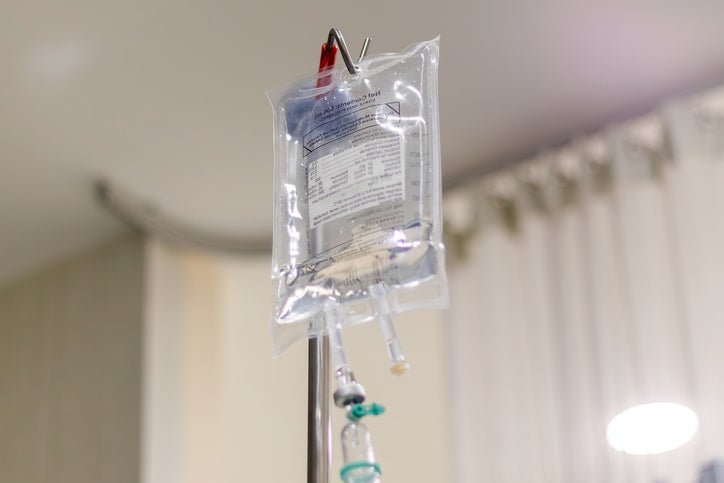
IV vitamin infusions have surged as a wellness trend in Massachusetts. Customers are spending hundreds of dollars on drips marketed to boost immunity, aid recovery, and enhance performance.
The trend in this therapy began before the COVID-19 pandemic, but it has increased as consumers seek immunity boosts, faster recoveries from everyday illnesses, and perceived shortcuts to better health. It is also attracting nurses to administer the IVs, taking them away from currently understaffed clinics and chaotic emergency rooms.
Common IV components include Myers’ Cocktail (vitamins C and B, magnesium, and calcium), glutathione, immunity-focused blends, and NAD+, which is touted for antiaging and energy benefits. However, human data on its effects is limited.
These IV treatments are administered by nurses in medspas, esthetic clinics, or standalone drip bars. Prices range from approximately $200 to $600 for newer compounds like NAD+.
According to a Boston Globe report, IV infusions deliver higher doses of treatment compounds directly into the bloodstream. While the effects are faster, the risks to the body are higher.
The Globe spoke with Dr. Ali S. Raja, executive vice chair of emergency medicine at Mass General Brigham. IVs, Raja explained, are medical tools that should not be considered as spa treatments. He has seen what happens when patients experience complications after receiving an IV infusion outside hospitals.
“It’s usually things like infections at the site, vein inflammation, or people getting too much fluid because of underlying heart or kidney issues,” Raja said to The Boston Globe. “We also sometimes see reactions to specific ingredients. People think they’re getting preventative care when they’re really just buying an expensive, mildly helpful pick-me-up.”
Despite potential complications, the medspa market continues to grow. In 2022, the industry was a $15 billion market with nearly 9,000 facilities in the United States. A study published in JAMA Internal Medicine in 2025 found that, as with dietary supplements, the market is chiefly unregulated.
Regulatory and safety guidance stress the importance of medical oversight, clinic experience, potential risks, ingredient sourcing, and a reminder that IV drips are not a replacement for vaccines, adequate sleep, exercise, or proper nutrition.