One of the most heavily lobbied issues of the 2026 session made it across the finish line Thursday after the House gave final approval to a bill that increases the amount people who successfully sue the government can recover.
The House voted nearly unanimously to pass HB 145, with “no” votes cast by Reps. Patt Maney and John Synder.
Maney, a Republican from Shalimar, initially voted for the bill but changed his “yes” vote to a “no” after the fact. Snyder is a Republican from Stuart.
The Senate voted unanimously to pass the legislation on March 10.
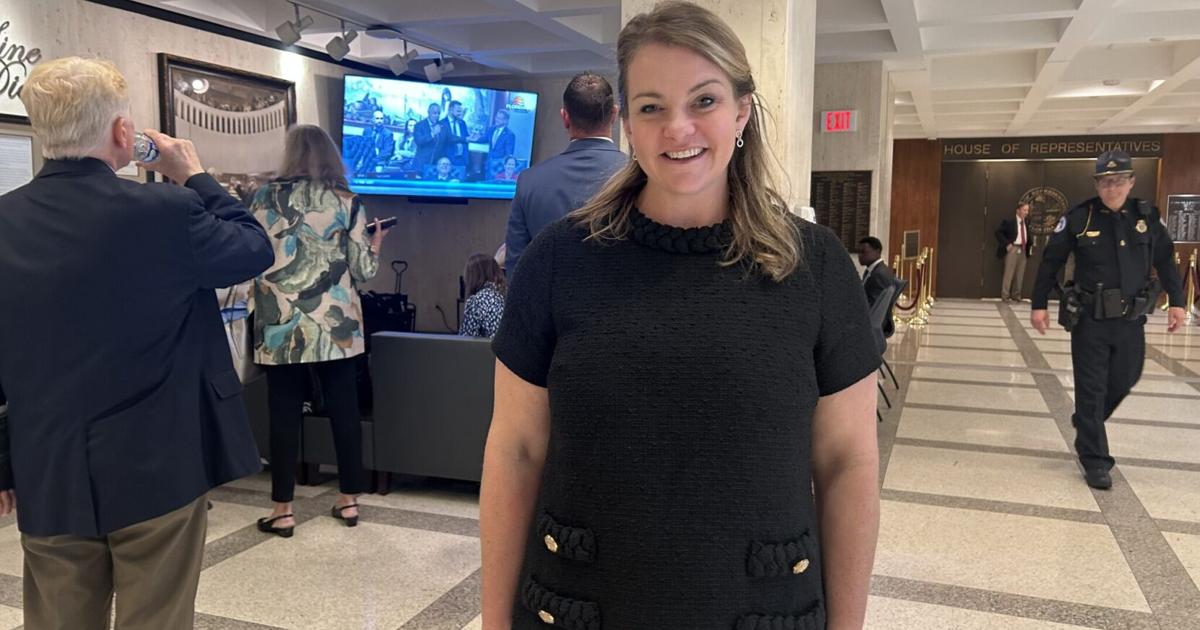
Rep. Fiona McFarland, R-Sarasota, has sponsored sovereign immunity legislation in the House for the past three years. She told the Florida Phoenix that while the expanded limits on recovery aren’t as generous as what the House initially pushed for, she’s happy with the outcome.
“Passing something is still significant right? We’re raising it [the sovereign immunity caps] from $200,000 to $350,000. That’s like a 75% increase. That’s still meaningful, right? If you are looking at medical bills or loss of wages or, or you know, all of the things that happened to these victims, an extra $150,000 sure goes a long way while you’re waiting for your claims bill to be passed,” McFarland told the Phoenix shortly after the final House vote.
“And I would rather do that now than kick, you know, kick the proverbial can for another session and hope that we could maybe get half a million more.”
Sovereign immunity refers to the state’s authority to exempt itself from civil lawsuits, although the state does allow negligence claims against itself and its subdivisions — agencies, cities, counties, and public hospitals — within limits.
Injured parties can sue for damages and collect within the liability thresholds established by law, but if they win awards in excess of the limits they must go to the Legislature in the form of what’s called a claims bill to collect the overage. These in the past have involved harm from traffic accidents caused by government workers, medical malpractice at public hospitals, or wrongful convictions that have resulted in prison sentences.
Records show HB 145 drew 242 lobbyist registrations. In a session marked by dysfunction, most lobbyists weren’t sure whether the bill would ultimately pass.
A group of special interest calling themselves the “Sovereign Immunity Coalition” sent a letter to legislative leaders this week imploring them to kill the bill.
“While we recognize the importance of ensuring fairness in claims made against state and local governments, proposed increases and other changes to sovereign immunity caps raise significant fiscal and policy concerns that could negatively affect public services, and the taxpayers that pay for those services,” reads the letter, which includes the names of 11 organizations including the Panhandle Area Educational Consortium, the Safety Net Hospital Alliance of Florida, the Florida Hospital Association, and the Florida League of Cities.
The final version of the bill does not include House-coveted language that would have permitted political subdivision to settle claims or judgments in excess of the caps without requiring the subdivision to seek further action by the Legislature. While McFarland said she was disappointed that provision wasn’t included in the final version of the bill, she takes comfort that some municipalities have made that choice on their own.
“My one solace is that some sovereigns have interpreted statue that they’re allowed to and they’ve been and they’ve done that, okay. Right? Some governments have, when there’s a sovereign immunity case, negligence claim against them, they have settled above the caps and they paid out,” she said.
This article appeared on the website of the Florida Phoenix, a nonprofit news organization dedicated to coverage of state government and politics from Tallahassee.
–