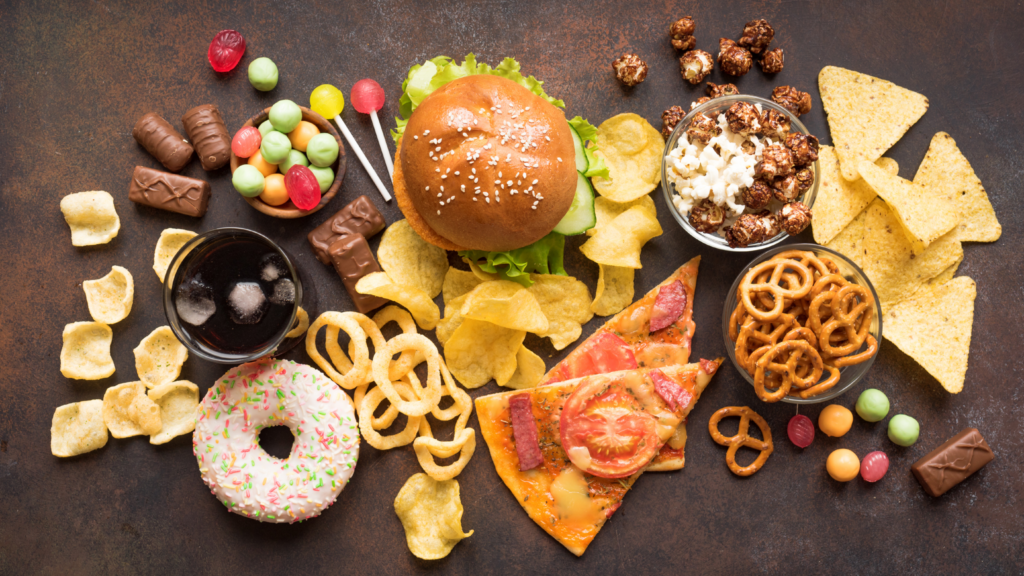
A related area where the center is hoping to impact policy is the debate around how the U.S. Food and Drug Administration (FDA) should define highly processed foods, particularly those marketed to children.
A recent Nature Medicine commentary by Moran and Roberto called for the FDA to define “real food” and categorize everything else as ultra-processed. Think: scrambled eggs versus sugary breakfast cereals. Some scientists are advocating for the FDA to define ultra-processed foods based on the presence of certain additives and ingredients, but this approach, according to Roberto and Moran, is incomplete and inefficient.
“The global food supply contains thousands of evolving additives and ingredients, and no regulatory body maintains a comprehensive list,” Moran said. “As a result, many unhealthy products would slip through the cracks, and regulators would be left playing catch-up.”
This strategy, which aligns with the Nova classification system, allows regulators to identify healthy foods by their limited, well-understood ingredients and production methods. It would prevent what Moran called a “whack-a-mole approach” to nutrition policy, whereby the food industry would simply reformulate their foods to include additives and ingredients that are not yet on the FDA’s list.
“All other products would be considered ultra-processed by default, closing loopholes and making it harder for manufacturers to game the system,” Moran said.
This approach also shifts the burden of proof from public health agencies to food manufacturers, who would need to demonstrate that any new additives are necessary for safety, and not just for appearance or taste.
“By defining what makes a food ‘real,’ we can create a more robust and efficient regulatory system that truly protects public health,” Roberto added.
Ultimately, they argue, defining ultra-processed foods by what they are not empowers policymakers to act more decisively and encourages the food industry to innovate healthier options. This shift could help reverse the tide of diet-related diseases, especially among children, and create a stronger foundation for future nutrition policy.