(CNN) — Eating a combination of two award-winning diets slowed aging in key structures inside the brain by over two years, according to a new study.
The brain-focused eating plan is called the Mediterranean-DASH Diet Intervention for Neurodegenerative Delay, or MIND, diet. It combines the most brain-healthy parts of the award-winning Mediterranean diet and the acclaimed heart-healthy Dietary Approaches to Stop Hypertension, or DASH, which restricts salt.
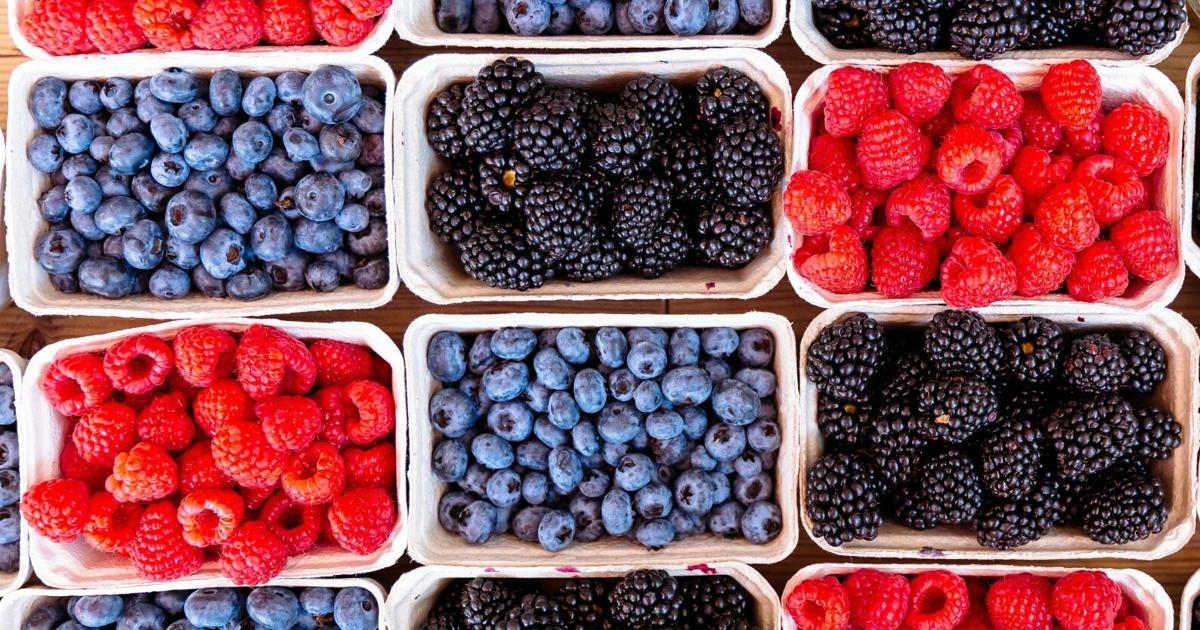
While all three diets are plant-based and quite similar, the MIND method emphasizes eating specific foods thought to reduce the risk of dementia: berries, beans, leafy green vegetables, fish, poultry, whole grains, olive oil and nuts. Foods with saturated fats, such as cheese, butter, red meat and fried foods, are extremely limited.
“People who adhered more closely to the MIND diet seemed to show slower structural brain ageing over about 12 years of follow-up,” said senior author Changzheng Yuan, a research professor at Zhejiang University School of Medicine in Hangzhou, China, in an email.
“In particular, they had slower loss of grey matter, which is the part of the brain that contains many of the nerve cells involved in memory, thinking, and decision-making,” Yuan said.
Each three-point increase in adherence to the MIND diet was associated with 20% less shrinkage in gray matter, corresponding to a 2.5-year delay in brain aging, according to the study.
Both the Mediterranean and the MIND diets are linked in studies to improvements in cognitive decline and a lower risk of Alzheimer’s disease. The new study’s conclusions fall in line with those past findings and add “further support for consuming a Mediterranean-type dietary pattern,” said leading nutrition researcher Dr. Walter Willett in an email.
Willett, who is a professor of epidemiology and nutrition at Harvard T.H. Chan School of Public Health and professor of medicine at Harvard Medical School in Boston, was not involved in the study.
Another key part of the brain was impacted
The study, published Tuesday in the Journal of Neurology, Neurosurgery & Psychiatry, analyzed the diet of over 1,600 adults participating in an offshoot of the Framingham Heart Study — a decades-long study designed to identify factors that contribute to cardiovascular disease. This portion of the Framingham study, which began in 1999, enrolled people with an average age of 60 who had no evidence of stroke or dementia.
At several points over an average of 12 years, participants answered dietary questionnaires, underwent regular health checkups and had at least two MRI brain scans.
In addition to less shrinkage in gray matter, those participants who more closely followed the MIND Diet “had slower enlargement of the ventricles, the fluid-filled spaces that tend to expand as brain tissue shrinks with age,” Yuan said.
For every three points of closer adherence to the diet, the development of ventricles declined by 8%, reducing brain age by one year, the study found. The development of larger ventricles, which accelerates after age 60, is a sign of increased brain atrophy linked to Alzheimer’s disease and cognitive decline.
The study is observational, and thus cannot prove cause and effect, said Dr. David Katz, a specialist in preventive and lifestyle medicine. He founded the nonprofit True Health Initiative, a global coalition of experts dedicated to evidence-based lifestyle medicine.
Nor could the study exclude reverse causality, which occurs when the impact of an action is actually the cause, said Katz, who was not involved in the study.
“In other words, people with healthier brain structure and function over time may have made better dietary choices,” he said in an email. “But the more obvious causal pathway — eating well is good for brain structure and function — is the more plausible.”
Drilling down to individual foods
Berries and poultry contributed most to the antiaging impact found in the study — berries decreased the rate of ventricle enlargement, while poultry slowed both gray matter declines and ventricle enlargement.
“Berries are rich in antioxidants and other bioactive compounds, and poultry can provide high-quality protein as part of a balanced diet,” said first author Hui Chen, a professor of psychology and behavioral sciences at Zhejiang University School of Medicine in Hangzhou, China.
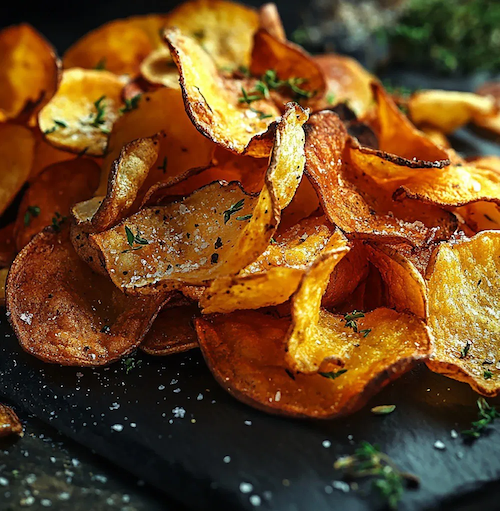
“In contrast, higher intakes of sweets and fried fast foods tended to be associated with faster brain aging over time,” Chen said in an email.
Specifically, a higher intake of sweets and fried foods was associated with faster ventricular expansion, while eating more sweets led to more decay in the hippocampus, the organ in the brain most associated with memory.
There were unexpected findings as well: Cheese consumption appeared to protect the brain, while higher whole-grain intake was associated with faster declines in gray matter.
However, Chen said, cheese is so limited on the MIND diet that “I would not interpret our findings as evidence that cheese itself protects the brain.”
As for whole grains, what was considered “whole grain” in the 1990s may not meet today’s standard for a truly healthy whole-grain food, Yuan said, so the finding should not be interpreted as whole grains are harmful for the brain.
“I would be cautious about reducing the message to just a few individual foods, because what appears to matter most is the overall dietary pattern rather than any single item in isolation,” Chen said. “Foods are consumed together, and their combined effects may be more important than the contribution of one food alone.”
The-CNN-Wire
™ & © 2026 Cable News Network, Inc., a Warner Bros. Discovery Company. All rights reserved.

![[Sneak Peek] New Israeli Fast Casual “Elisha” by Paprika is Coming to Long Island • YeahThatsKosher](https://www.vitaminrush.com/wp-content/uploads/2026/03/Elisha-kosher-great-neck-israeli-cuisine-logo-1024x948-770x515.jpeg "[Sneak Peek] New Israeli Fast Casual “Elisha” by Paprika is Coming to Long Island • YeahThatsKosher")