 3 min read
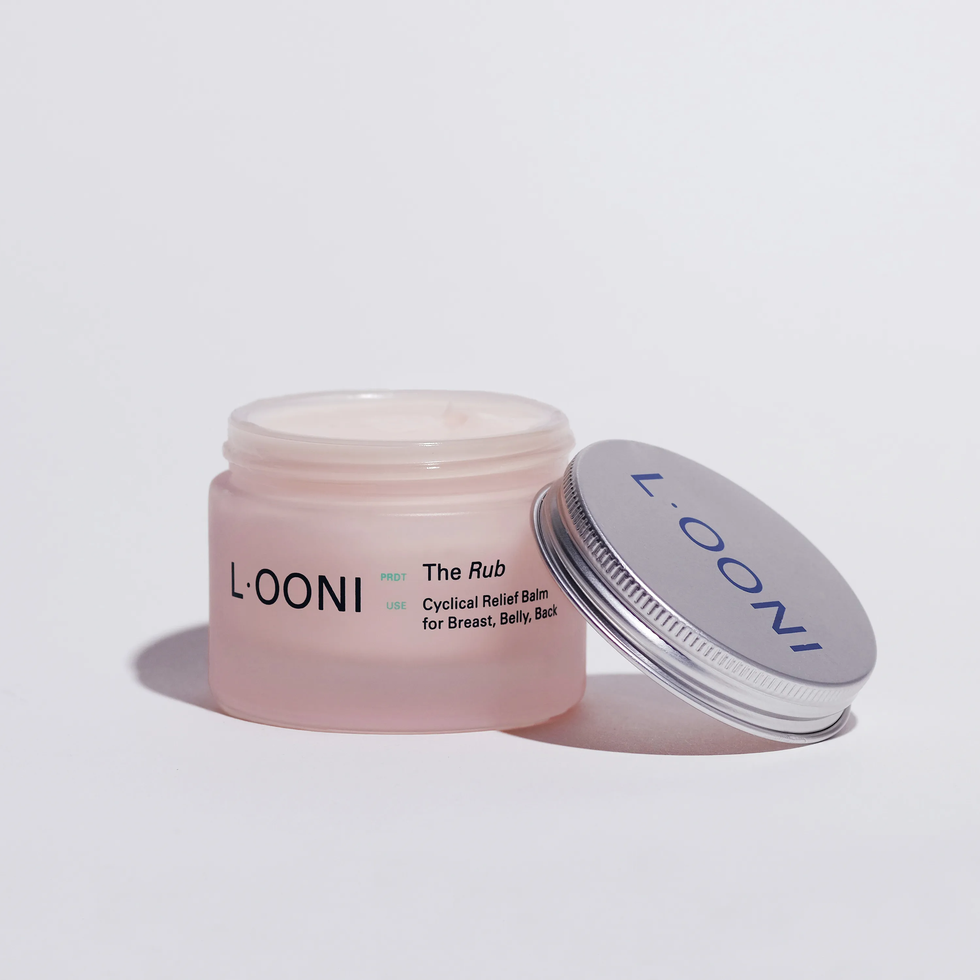
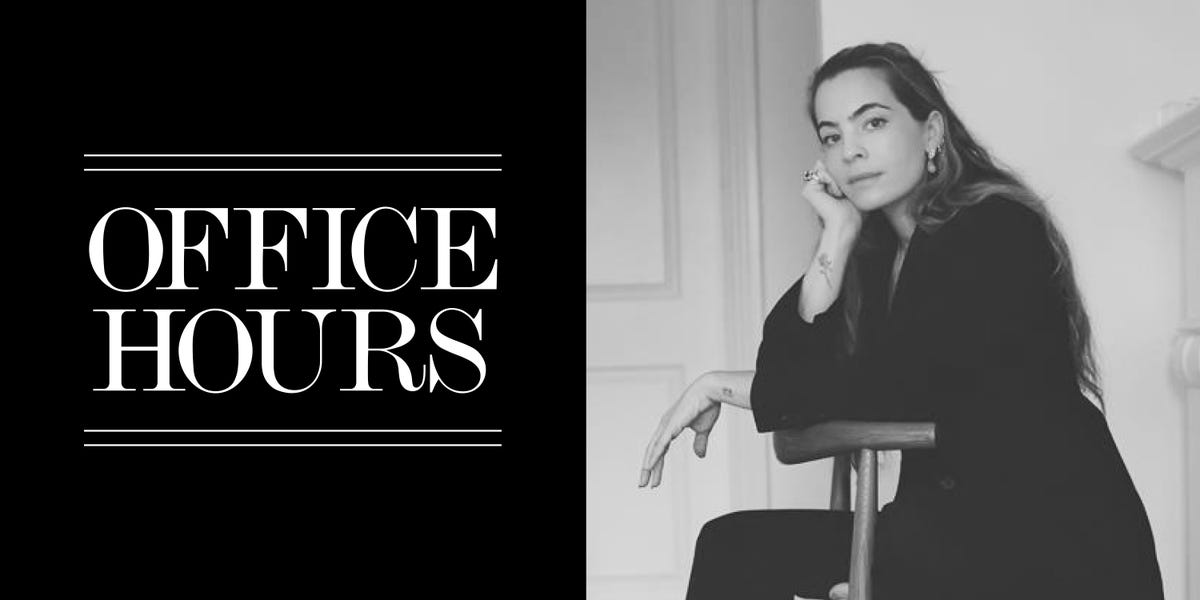
In ELLE’s series Office Hours, we ask people in powerful positions to take us through their first jobs, worst jobs, and everything in between. This month, we sat down with DJ, activist, mother, and entrepreneur Chelsea Leyland. After a long struggle with endometriosis, Leyland was unsatisfied with the lack of holistic treatment options. She decided to take matters into her own hands, partnering with her co-founder Tatiana Steel to create Looni, a brand focused on elevating the menstrual experience with products like Balance Beam, a daily hormonal support supplement, and the brand’s latest product, The Rub. Looni also offers free access to its WhatsApp community, a safe discussion space with support and education for anyone struggling with hormonal health conditions like endometriosis, polycystic ovary syndrome (PCOS), menopause, infertility, and more. The brand now has products available in over 370 Whole Foods Market store locations. Below, in honor of Endometriosis Awareness Month, Leyland takes us through her work history, wellness routine, and her own battle with endometriosis.
My first job and worst job
My first job was as a bartender at a pub in South London. It was also my worst job because I felt like I wasn’t wanted there. For example, every day they would give us a staff lunch and one day I bit into my salad, and there was a huge piece of Saran Wrap in it. It was disgusting and I had a feeling it was purposeful. Not too long after, they’d mixed up my shifts and didn’t tell me. When they called to tell me I missed a shift, they fired me.
The best career advice I’ve received
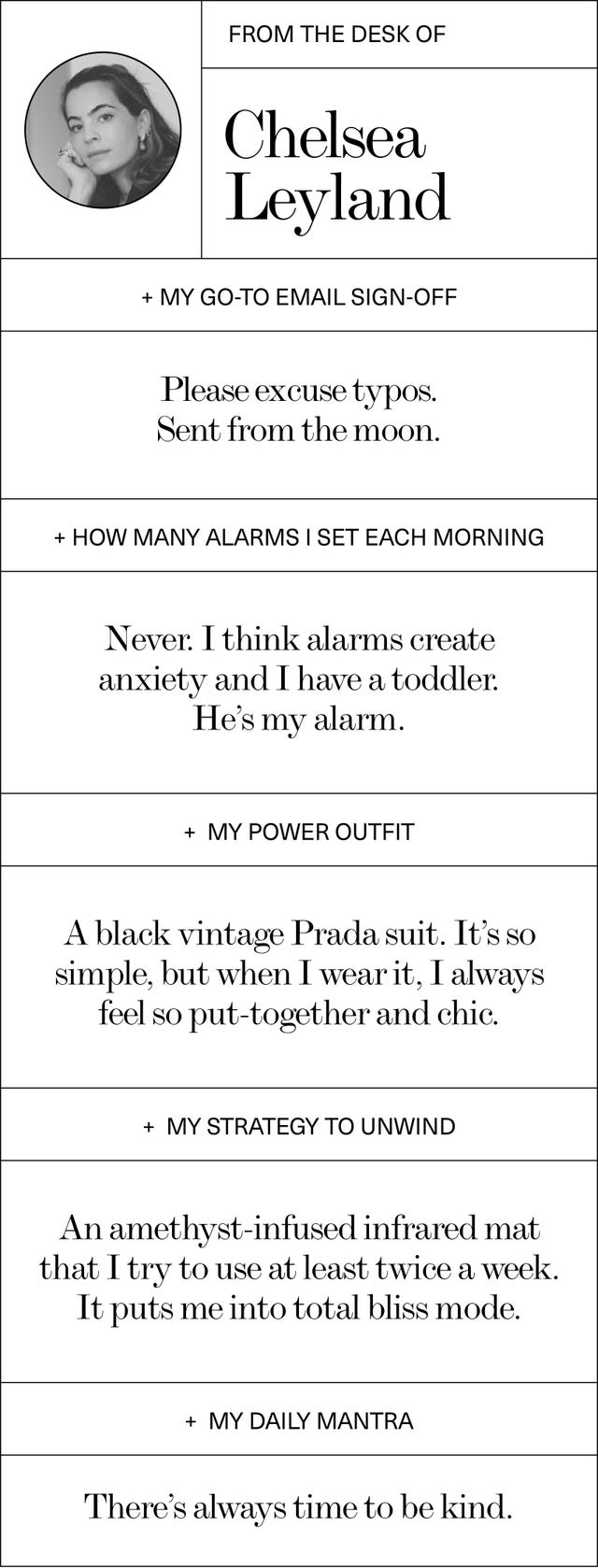
Be resilient. I heard a quote that said, “The best founders are the people who are able to take a few punches and dust themselves off.” You [also] have to believe in your mission. When the going gets tough, the mission is what will get you out of bed in the morning.
Why I created Looni
I suffer from endometriosis, a chronic menstrual health condition that can manifest in many ways like chronic pain, extremely painful periods, fatigue, infertility, and more. Over 10 years ago, I had a failed surgery to address the pain. Treatments for endometriosis have evolved since then, but at the time my options were limited. I was constantly hospitalized and would frequently pass out from the pain, but was consistently being dismissed by physicians. They would say that pain is simply a part of the menstrual process. I realized that women deserved better. We wanted women to have better natural solutions to support their cycle and a safe space where women feel supported.
Nuria Rius
How I’ve learned to manage my endometriosis
I started by working on stress management, prioritizing sleep hygiene, and adopting an anti-inflammatory diet, which all helped me to understand how lifestyle choices contributed to a better menstrual cycle. I also began working with a traditional Chinese medicine practitioner and doing acupuncture.
My current wellness routine
I track my sleep so I always check how I slept the night before. Before I do anything, I always have morning cuddles with my son. It helps to remind me how lucky I am and starts my day off on the right foot. Then I always drink a cup of hot water with ginger and will have breakfast which is usually eggs or yogurt. I also try to prioritize exercise at least five days a week. But it’s really important to eat healthy. Right now, I’m really focusing on eating a good amount of fermented foods to support gut health.
On the importance of community in the health space
Our main demographic is women who may be experiencing challenges along their hormonal journey, whether it’s skin breakouts, mood changes, or fertility challenges. We as women are encouraged to be silent about the trials we face when it comes to our menstrual health. Having a space where you can feel seen and supported—that power of identification—is like nothing else in the world and such a huge part of healing.
This interview has been edited and condensed for clarity.
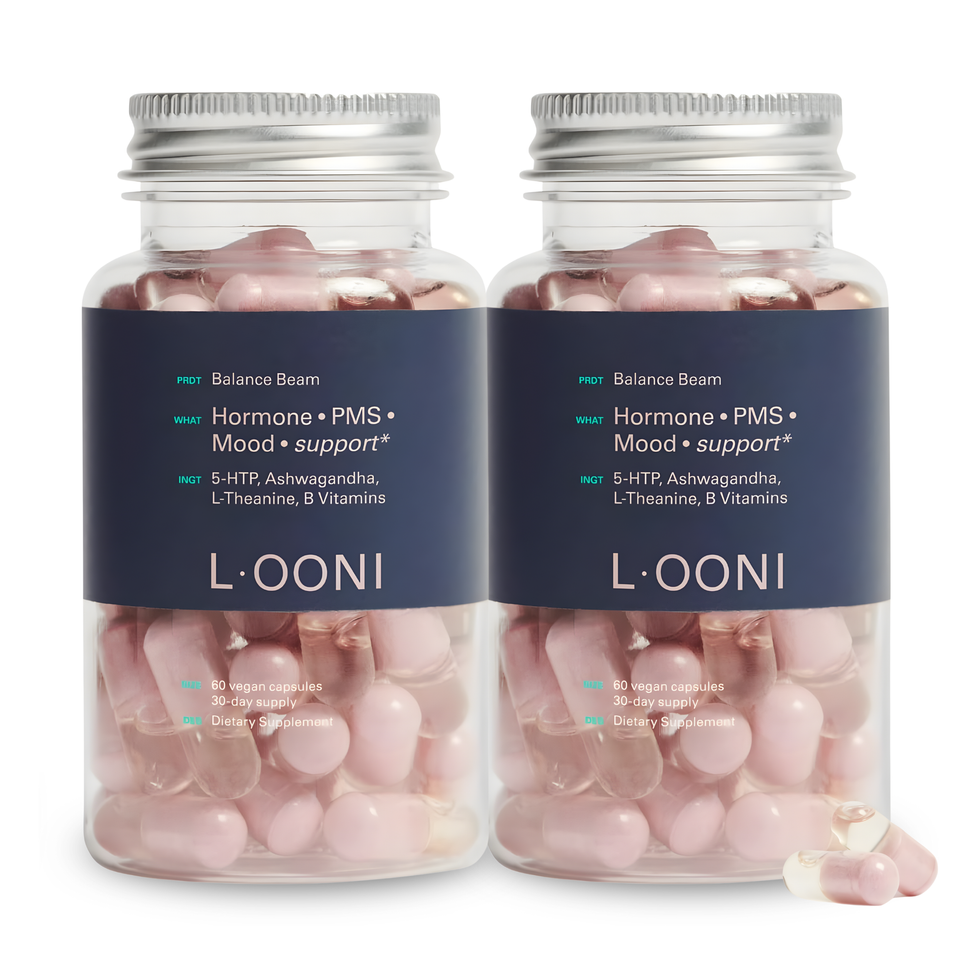 Looni Balance Beam
Now 64% Off