Abstract
According to the latest IndexBox report on the global Sports & Workout Supplements market, the market enters 2026 with broader demand fundamentals, more disciplined procurement behavior, and a more regionally diversified supply architecture.
The global Sports & Workout Supplements market is projected to experience sustained expansion through 2035, underpinned by the mainstreaming of fitness culture and a consumer shift towards proactive health management. The market structure is bifurcating into a high-volume, commoditized mass segment and a premium, benefit-led segment where brand authority and clinical substantiation command significant margins. Channel strategy has emerged as a primary determinant of commercial success, with e-commerce and mass retail eroding traditional specialty store dominance, forcing brands to master disparate pricing and promotion mechanics. Growth is increasingly driven by evolved consumer need states that extend beyond pure performance enhancement to encompass holistic wellness, convenience, and sensory experience, fueling fragmentation into ready-to-drink formats, plant-based claims, and products targeting specific lifestyle cohorts. However, brands face intensifying pressure from private-label incursion, volatile input costs, and a complex global regulatory landscape for health claims, making supply chain agility and transparent, science-backed communication critical competitive moats.
The baseline scenario for the Sports & Workout Supplements market through 2035 anticipates a compound annual growth rate in the mid-single digits, supported by durable macro trends but tempered by increasing competitive and margin pressures. The market’s expansion is not uniform but is concentrated in specific consumer segments and geographic regions. The core growth engine remains the expanding global base of fitness-conscious consumers, ranging from elite athletes to recreational enthusiasts and aging populations seeking active lifestyles. This demand is increasingly channeled through mass retail and direct-to-consumer e-commerce, which are reshaping route-to-market economics and compressing traditional distribution margins. The category will continue to fragment, with innovation accelerating in areas like personalized nutrition, clean-label formulations, and occasion-specific products (e.g., pre-workout, recovery). The baseline assumes ongoing, but not catastrophic, input cost volatility for key ingredients like whey and botanical extracts, and a regulatory environment that increases compliance costs but also rewards brands with robust scientific substantiation. Private-label penetration is expected to rise, particularly in standardized segments, challenging mid-tier branded players and forcing a strategic polarization between value-driven and premium, innovation-led propositions.
Demand Drivers and ConstraintsPrimary Demand DriversRising global participation in fitness and athletic activities across all age demographics.Growing consumer emphasis on preventive healthcare and holistic wellness, expanding the addressable market beyond core athletes.Proliferation of e-commerce and subscription models, improving accessibility and convenience for repeat purchases.Continuous product innovation in formats (RTD, shots), ingredients (plant-based proteins, nootropics), and benefit platforms (recovery, gut health).Increased social media influence and digital content creation around fitness, driving awareness and trial.Expansion of retail distribution into mass-market channels like grocery and club stores, increasing impulse and routine purchases.Potential Growth ConstraintsIntensifying price competition and margin pressure from private-label expansion and market saturation in core segments.Volatility in raw material costs (e.g., whey, cocoa, botanical extracts) impacting production economics.Stringent and fragmented global regulatory landscapes for health claims, increasing compliance costs and barriers to entry.Consumer skepticism and fatigue regarding exaggerated marketing claims, necessitating costly clinical substantiation.Logistical complexities and cost inflation in serving hybrid DTC and bulk retail distribution models.Demand Structure by End-Use IndustryPerformance Protein Supplements (estimated share: 38%)
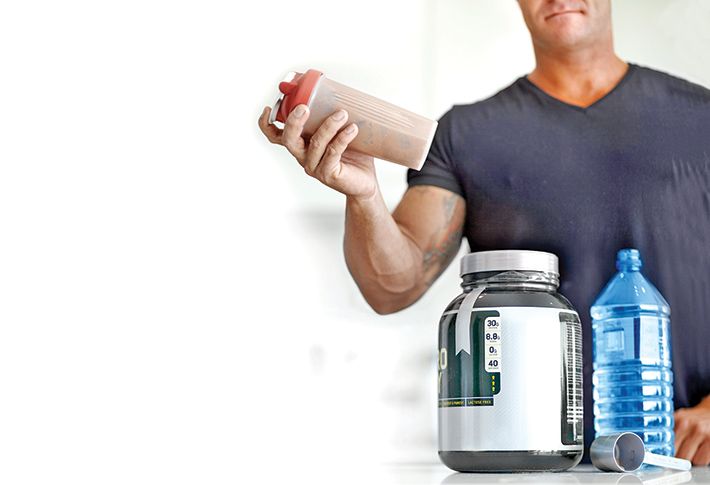
This segment, encompassing whey, casein, and plant-based protein powders and RTDs, forms the market’s volume core. Current demand is driven by muscle synthesis and recovery needs among regular gym-goers. Through 2035, growth will be less about volume expansion of standard isolates and more about premiumization via specialized hydrolysates, clear proteins, and blends targeting specific recovery windows. Demand-side indicators include gym membership penetration rates, online search volume for ‘protein synthesis’ and ‘muscle recovery,’ and sales velocity of premium-priced (>$1.50/serving) SKUs in online channels. The mechanism is shifting from a bulk nutritional ‘add-on’ to a precision recovery tool, with consumers willing to pay premiums for proven bioavailability, taste, and added functional benefits like immune support or gut health, supported by clinical research. Current trend: Premiumization & Specialization.
Major trends: Rapid growth of plant-based and blended proteins appealing to flexitarian and allergen-conscious consumers, Innovation in ‘clean-label’ proteins with minimal ingredients and no artificial sweeteners, Rise of ready-to-drink (RTD) formats for convenience, driving consumption outside of home, Increased demand for protein products fortified with collagen, probiotics, or adaptogens for holistic benefits, and Growing private-label competition in basic whey concentrates, compressing margins for undifferentiated brands.
Representative participants: Glanbia (Optimum Nutrition), BellRing Brands (Premier Protein), Nestlé (MuscleTech), Hormel (Muscle Milk), NOW Foods, and Iovate (Six Star).
Pre-Workout & Energy Supplements (estimated share: 22%)
Pre-workout products, traditionally high-stimulant formulas for energy and pump, are undergoing a significant transformation. Current demand is bifurcated between hardcore users seeking high-caffeine ‘extreme’ formulas and a growing mainstream cohort wary of jitters and crashes. The shift through 2035 will be towards ‘clean energy’ and cognitive focus, driven by nootropics like L-Theanine and natural caffeine sources. Key demand indicators include social media engagement with ‘natural energy’ and ‘focus’ claims, regulatory actions on stimulant blends, and the growth rate of stimulant-free SKUs. The mechanism involves a consumer reassessment of ‘performance’ to include mental clarity and sustained energy without negative side effects, pushing formulators to replace proprietary blends with transparent, clinically-dosed ingredients. Current trend: Stimulant-Free & Focus-Oriented.
Major trends: Formulation shift from proprietary, high-stimulant blends to transparent, clinically-dosed ingredients, Growth of ‘non-stimulant’ or ‘stimulant-free’ pre-workouts targeting evening workouts and stimulant-sensitive users, Incorporation of cognitive enhancers (nootropics) like citicoline and tyrosine for mental focus, Rise of convenient formats: powder sticks, ready-to-drink shots, and effervescent tablets, and Increased regulatory scrutiny on novel stimulant ingredients driving formulation compliance costs.
Representative participants: Cellucor (Nestlé), BSN (Glanbia), Alani Nu, Ghost Lifestyle, C4 (Nutrabolt), and JYM Supplement Science.
Post-Workout & Recovery Aids (estimated share: 18%)
Moving beyond simple protein shakes, this segment includes dedicated recovery drinks, BCAAs/EAA blends, and products targeting inflammation and sleep. Current demand is fueled by athletes seeking to reduce soreness and improve training frequency. The 2035 trajectory points towards holistic recovery systems that address muscle repair, inflammation, hydration, and nervous system relaxation in integrated formats. Demand will be tracked via sales of multi-benefit recovery blends, search trends for ‘muscle soreness’ and ‘inflammation,’ and adoption among aging athletes. The growth mechanism is the recognition that optimal performance is limited by recovery capacity. Consumers are trading up from single-ingredient BCAAs to comprehensive formulas with electrolytes, tart cherry, curcumin, and magnesium, often in convenient single-serve packets or RTDs consumed immediately post-exercise. Current trend: Holistic Recovery & Convenience.
Major trends: Integration of anti-inflammatory ingredients (curcumin, tart cherry) and electrolytes into recovery formulas, Shift from standalone BCAAs to more comprehensive Essential Amino Acid (EAA) profiles, Growth of sleep-aid supplements containing magnesium and melatonin, marketed to athletes for overnight recovery, Demand for convenient, on-the-go formats like recovery shots and powder sticks for immediate post-workout consumption, and Blurring lines with general wellness, attracting non-athletes seeking natural solutions for everyday muscle and joint discomfort.
Representative participants: Optimum Nutrition (Glanbia), Kaged Muscle, Thorne Research, Transparent Labs, MuscleTech (Nestlé), and Bulk Supplements.
Weight Management & Meal Replacements (estimated share: 15%)
This segment includes protein shakes, bars, and powders positioned for weight loss, meal replacement, and appetite control. Current demand is cyclical and highly influenced by New Year’s resolutions and seasonal dieting trends, often purchased through mass retail. Through 2035, the narrative will evolve from simple calorie restriction to supporting metabolic health and sustained satiety. Demand indicators include obesity rate trends, consumer interest in ‘blood sugar support,’ and the growth of high-protein, high-fiber formulations. The mechanism is a convergence of sports nutrition and clinical nutrition, where products are formulated not just to replace meals but to actively improve body composition through ingredients that manage hunger hormones (e.g., protein, fiber) and support healthy metabolism, appealing to a broader health-conscious audience. Current trend: Satiety & Metabolic Health.
Major trends: Formulation focus on high protein and fiber content for satiety and blood sugar management, Growing demand for keto-friendly and low-sugar meal replacement options, Incorporation of metabolic health ingredients like green tea extract, green coffee bean, and chromium, Premiumization through clean labels, organic claims, and plant-based profiles, and Strong private-label presence in basic meal replacement shakes, intensifying price competition.
Representative participants: Herbalife Nutrition, Abbott (Ensure), Atkins (Simply Good Foods), Premier Protein (BellRing), Garden of Life (Nestlé), and SlimFast (Glanbia).
Endurance & Hydration Sports Nutrition (estimated share: 7%)
Targeting runners, cyclists, and other endurance athletes, this segment includes electrolyte drinks, gels, chews, and hydration powders. Current demand is driven by participation in endurance sports and is highly brand-loyal, often purchased at specialty running stores or online. The 2035 outlook is for expansion beyond core athletes into recreational and lifestyle users, driven by extreme weather trends and generalized interest in hydration. Key demand indicators include participation rates in marathon/obstacle races, sales of electrolyte products in non-specialty channels, and search volume for ‘hydration’ and ‘heat illness.’ The growth mechanism is the repositioning of hydration from a niche athletic need to a daily wellness practice, with products offering added functional benefits like immune support (vitamin C, zinc), energy (caffeine), or gut health (prebiotics) without excessive sugar. Current trend: Electrolyte Innovation & Functional Hydration.
Major trends: Shift towards low-sugar and no-artificial-sweetener electrolyte formulas using stevia or monk fruit, Innovation in ‘functional hydration’ with added vitamins, antioxidants, or nootropics, Growth of convenient formats: hydration powder sticks, effervescent tablets, and ready-to-drink bottles, Expansion into mainstream channels (grocery, convenience stores) as everyday hydration solutions, and Increased use of mineral-rich salt complexes (e.g., sea salt, pink Himalayan salt) for electrolyte sourcing.
Representative participants: The Coca-Cola Company (BodyArmor), PepsiCo (Gatorade), Science in Sport, GU Energy Labs, Clif Bar & Company, and Liquid I.V. (Unilever).
Key Market Participants
Interactive table based on the Store Companies dataset for this report.
Sort: Rank
Sort: Company A-Z
Sort: Headquarters A-Z
#
Company
Headquarters
Focus
Scale
Note
1
The Bountiful Company (Nestlé Health Science)
Bridgewater, New Jersey, USA
Vitamins, minerals, supplements
Global
Owns Nature’s Bounty, Pure Protein, MET-Rx, Body Fortress
2
Glanbia plc
Kilkenny, Ireland
Nutrition, performance nutrition
Global
Owns Optimum Nutrition (ON), BSN, Isopure
3
Iovate Health Sciences International
Oakville, Ontario, Canada
Sports nutrition, weight management
Global
Owns MuscleTech, Six Star, Hydroxycut
4
Post Holdings
St. Louis, Missouri, USA
Consumer brands, nutrition
Global
Owns Premier Protein, Dymatize, PowerBar
5
BellRing Brands, Inc.
St. Louis, Missouri, USA
Ready-to-drink protein, supplements
Global
Spin-off from Post. Owns Premier Protein, Dymatize
6
GNC Holdings, LLC
Pittsburgh, Pennsylvania, USA
Specialty retailer & manufacturer
Global
Owns GNC-branded products, extensive retail network
7
NOW Health Group, Inc.
Bloomingdale, Illinois, USA
Natural sports nutrition, wellness
Global
Owns NOW Sports, NOW Foods
8
Cliff Bar & Company
Emeryville, California, USA
Nutrition bars, energy products
Major
Owns CLIF, CLIF Builder’s, LUNA
9
MusclePharm Corporation
Denver, Colorado, USA
Sports nutrition supplements
Global
Popular with athletes, owns Combat Protein, Amino1
10
Cellucor (Nutrabolt)
Austin, Texas, USA
Performance energy, supplements
Global
Owns C4 pre-workout, Nutrabolt parent company
11
Ghost Lifestyle
Chicago, Illinois, USA
Lifestyle & performance supplements
Major
Strong branding, influencer collaborations
12
Grenade (UK) Ltd
Derby, United Kingdom
Performance nutrition, weight management
Global
Known for Carb Killa bars and pre-workouts
13
Myprotein (The Hut Group)
Manchester, United Kingdom
Direct-to-consumer sports nutrition
Global
Large online brand, wide product range
14
Quest Nutrition
El Segundo, California, USA
Nutrition bars, protein snacks
Global
Known for high-protein, low-carb products
15
Rule 1 Proteins
Phoenix, Arizona, USA
Protein powders, essential supplements
Major
Known for straightforward ingredient profiles
16
JYM Supplement Science
Chicago, Illinois, USA
Science-based sports supplements
Major
Founded by Dr. Jim Stoppani
17
Redcon1
Las Vegas, Nevada, USA
Tier-based sports supplements
Global
Military-themed branding, pre-workouts
18
Kaged Muscle
Spokane, Washington, USA
Clean, high-quality supplements
Major
Founded by bodybuilder Kris Gethin
19
BPI Sports
Boca Raton, Florida, USA
Sports nutrition innovation
Global
Known for BPI Best Protein, 1MR pre-workout
20
RSP Nutrition
San Diego, California, USA
Affordable, quality supplements
Major
Sold at major retailers like Costco, Amazon
21
Transparent Labs
Dallas, Texas, USA
Fully disclosed supplement formulas
Major
Direct-to-consumer, no proprietary blends
22
Swanson Health Products
Fargo, North Dakota, USA
Vitamins & sports nutrition
Global
Major online and catalog retailer & brand
23
Vega (Danone)
Boulder, Colorado, USA
Plant-based sports nutrition
Global
Acquired by Danone, pioneer in plant protein
24
Garden of Life (Nestlé)
West Palm Beach, Florida, USA
Organic, whole food supplements
Global
Owned by Nestlé, includes sport line
25
Performix (Iovate)
Irvine, California, USA
High-performance supplements
Major
Known for SST technology, owned by Iovate
Regional DynamicsAsia-Pacific (estimated share: 32%)
The dominant and fastest-growing region, fueled by rising disposable incomes, rapid urbanization, and the explosive popularity of fitness culture, particularly in China and India. E-commerce is the primary growth channel, and demand is skewed towards protein supplements and weight management products. Local brands compete fiercely with global giants, often winning on price, flavor localization, and digital marketing agility. Direction: High Growth.
North America (estimated share: 30%)
A mature but large market characterized by high per capita consumption and intense competition. Growth is driven by premiumization, plant-based innovation, and the expansion into mass retail and club channels. The U.S. remains the global hub for brand creation and trendsetting, though private-label penetration is rising. Regulatory scrutiny on claims is a key market-shaping factor. Direction: Mature & Innovating.
Europe (estimated share: 25%)
Exhibits steady, regulated growth with strong demand in Western Europe (Germany, UK) and emerging potential in Eastern Europe. The market is highly fragmented, with strict EU regulations on health claims shaping product development and marketing. Sustainability credentials, clean-label formulations, and plant-based products are major growth drivers, alongside a robust specialty retail and pharmacy channel. Direction: Steady Growth.
Latin America (estimated share: 8%)
An emerging growth region led by Brazil and Mexico, where fitness culture is gaining mainstream traction. The market is price-sensitive but offers significant upside, particularly in urban centers. Distribution through traditional trade remains important, though modern retail and e-commerce are expanding. Demand is concentrated on foundational products like protein powders and mass-market vitamins. Direction: Emerging Growth.
Middle East & Africa (estimated share: 5%)
A nascent market with growth pockets in the Gulf Cooperation Council (GCC) countries and South Africa, driven by expatriate populations, growing health awareness, and investment in fitness infrastructure. Import dependency is high, and premium global brands dominate the limited modern retail landscape. The region presents long-term potential but is constrained by lower overall disposable income and underdeveloped distribution in many areas. Direction: Nascent Development.
Market Outlook (2026-2035)
In the baseline scenario, IndexBox estimates a 5.8% compound annual growth rate for the global sports & workout supplements market over 2026-2035, bringing the market index to roughly 178 by 2035 (2025=100).
Note: indexed curves are used to compare medium-term scenario trajectories when full absolute volumes are not publicly disclosed.
For full methodological details and benchmark tables, see the latest IndexBox Sports & Workout Supplements market report.