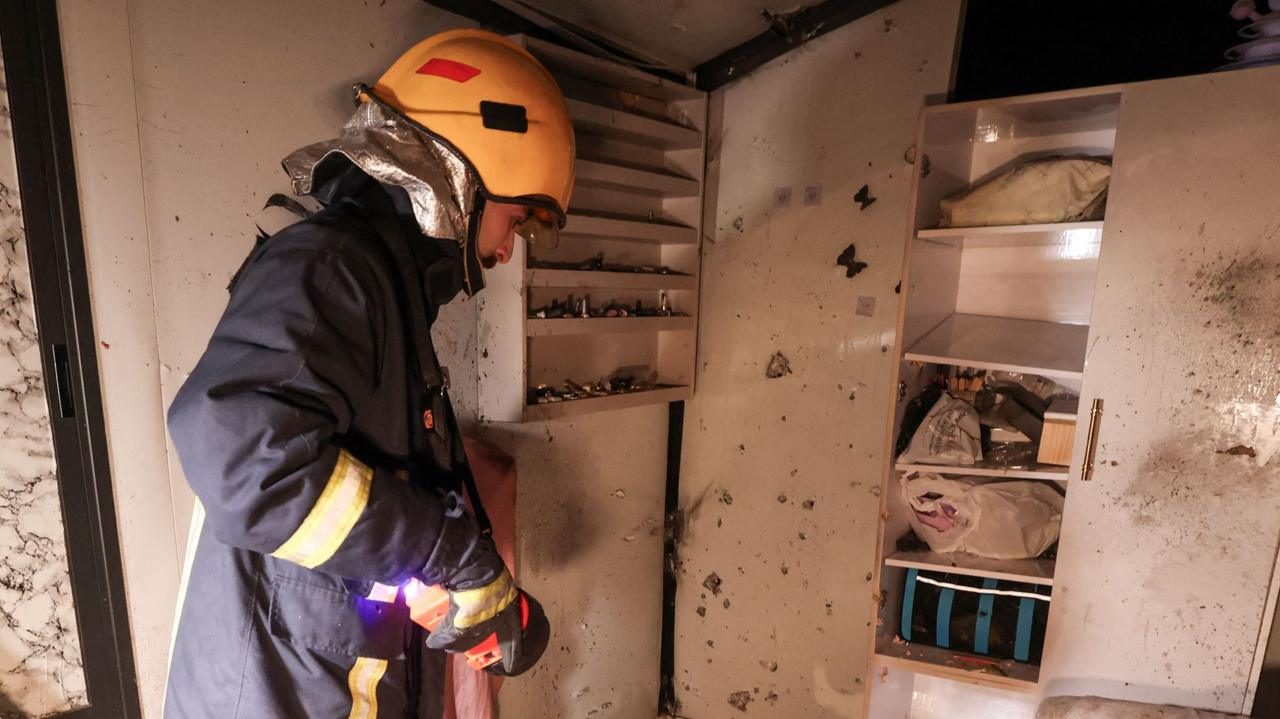
Three Palestinian women were killed inside a beauty salon in the Israeli-occupied West Bank on Wednesday night when shrapnel from an Iranian missile strike tore through the metal caravan where they had gathered. Eight more people were injured in the same attack. The women were not combatants. They were not near a military installation. They were in a salon.
The strike hit the town of Beit Awwa, near Hebron in the southern West Bank — a civilian area far removed from Israel’s Iron Dome interception corridors. It is a stark and painful illustration of how the ongoing missile exchanges between Iran and Israel are producing casualties in places, and among people, that rarely make it to the top of the headlines.
At roughly the same time, a Thai agricultural worker was also killed by shrapnel when a missile fragment struck a farming community inside Israel, according to Israeli medics. Two countries. Two very different locations. One night of fire from above.
What Happened in Beit Awwa
According to the official Palestinian news agency Wafa, fragments from the missile landed on a metal caravan being used as a salon, as well as several other locations in the West Bank. The structure offered little protection against the kind of weapon involved.
The Israeli military told the BBC the women were killed “by a direct hit from a cluster munition missile.” The Palestinian Red Crescent Society (PRCS) described it as a “direct impact of missile shrapnel,” and said response teams — including at least five ambulances — rushed to the scene and found several casualties.
Wafa identified the three women killed as:
Mais Ghazi Masalmeh, 17 years old
Sahira Rizq Masalmeh, 50 years old
Amal Sobhi Abdel Karim Matawa’ Masalmeh, 36 years old
Three generations of women, connected by a shared family name, killed in the same place at the same moment — a detail that makes this tragedy land with particular weight.
The Weapon That Killed Them: Cluster Munitions Explained
Understanding what happened in Beit Awwa requires understanding the type of weapon involved. Cluster munitions are not precision weapons. By design, they are the opposite.
Iran has repeatedly fired missiles with cluster-bomb warheads at Israel, according to reporting on the incident. These munitions release large numbers of smaller bomblets mid-flight, scattering them across a wide area. The result is an unpredictable spread of lethal fragments that can strike civilian infrastructure, open streets, and buildings far from any intended military target.
That is exactly what appears to have happened in Beit Awwa. The salon was not a target. It was simply in the path of falling metal.
Detail
Confirmed Information
Location of strike
Beit Awwa, near Hebron, southern West Bank
Palestinian women killed
3
Palestinian women injured
8
Weapon type (per Israeli military)
Cluster munition missile — direct hit
Other fatality reported
1 Thai worker killed in Israel by shrapnel
Emergency response
At least 5 PRCS ambulances dispatched
Structure struck
Metal caravan used as a beauty salon
Why the West Bank Was Hit at All
This is the part of the story that tends to get lost in the broader geopolitical framing. When Iran fires missiles toward Israel, the trajectory does not respect the complex patchwork of territories below. The West Bank sits between Jordan and Israel — and Palestinian civilians living there have no Iron Dome, no missile defense system, and no shelter protocol designed for this kind of attack.
The Israeli military had publicly announced it was working to intercept the Iranian missile attack shortly before the strikes landed. Interceptions, even successful ones, mean fragments fall somewhere. And sometimes that somewhere is a metal salon in a small West Bank town where three women had no reason to fear the sky.
The Thai worker killed inside Israel underscores the same point from a different angle — that even inside the country with the most advanced missile defense in the region, shrapnel found a victim. A migrant agricultural worker, far from home, became a casualty of a conflict between two governments he had no part in.
The Human Cost Beyond the Battlefield
What makes this incident particularly significant is who died and where. The West Bank is not a warzone in the conventional sense of active front lines, and Beit Awwa is not a military flashpoint. The three women killed were civilians going about the ordinary rhythms of daily life.
The PRCS response — five ambulances, multiple teams — reflects both the scale of the emergency and the infrastructure Palestinian emergency services maintain in a region where conflict-related casualties are a persistent reality. That responders were on the scene quickly is a testament to their readiness. That they needed to be is the tragedy.
Eight more people were injured in the same strike, according to initial reports. The full picture of the night’s toll — across both the West Bank and Israel — continued to emerge in the hours following the attack.
What Comes Next
Iran’s pattern of firing cluster-warhead missiles toward Israel has now produced civilian casualties in Palestinian territory — a development that adds a new and complicated layer to an already deeply fraught conflict. Whether this incident prompts any diplomatic response, international condemnation of cluster munition use, or shifts in how Iranian missile strikes are discussed in international forums remains to be seen.
What is already clear is that the three women named by Wafa — Mais, Sahira, and Amal — will not be the last civilians caught in the crossfire of a conflict fought by governments, but paid for by ordinary people.
Frequently Asked Questions
Where exactly did the missile strike occur?
The strike hit the town of Beit Awwa, near Hebron in the southern West Bank, on Wednesday night.
Who were the three women killed in the salon?
They were identified by Wafa as Mais Ghazi Masalmeh (17), Sahira Rizq Masalmeh (50), and Amal Sobhi Abdel Karim Matawa’ Masalmeh (36).
What type of weapon caused the deaths?
The Israeli military said the women were killed by a direct hit from a cluster munition missile, which releases multiple bomblets over a wide area mid-flight.
Were there other casualties from the same Iranian attack?
Yes — a Thai agricultural worker was also killed by shrapnel that struck a farming community inside Israel, according to Israeli medics.
How did emergency services respond?
The Palestinian Red Crescent Society dispatched at least five ambulances to the scene and found several casualties upon arrival.
Has Iran used cluster munitions before in these attacks?
According to the source reporting, Iran has repeatedly fired missiles with cluster-bomb warheads at Israel prior to this incident.