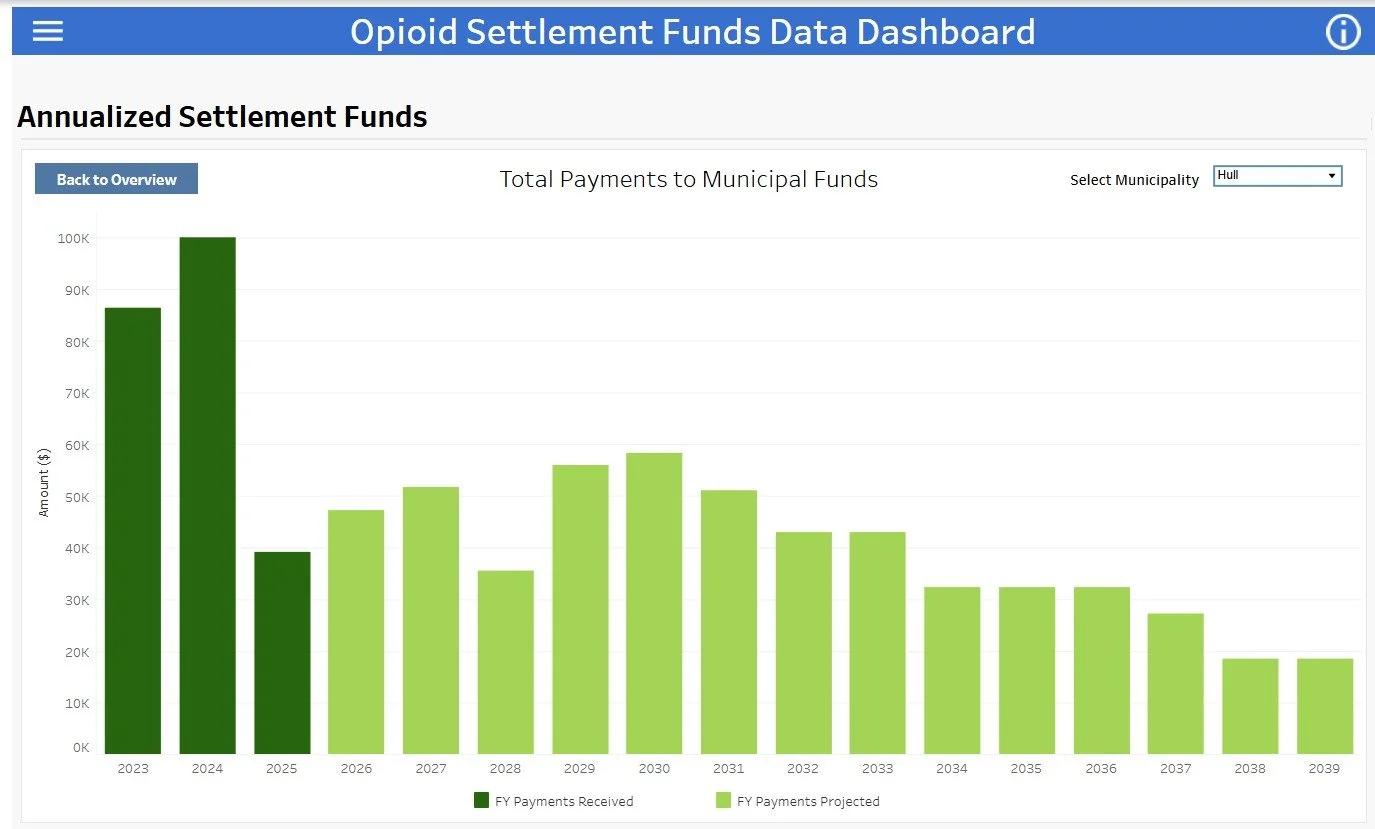
Voters at the 2024 annual town meeting approved an opioid special revenue fund using proceeds from part of a settlement awarded to the town to resolve opioid litigation brought by states against large pharmaceutical manufacturers and distributors. The funds are to be used for substance misuse prevention, harm reduction, treatment, and recovery support and establishing a opioid task force to consider the best use of these funds.
The town has received $273,000 to date, according to Town Manager Jennifer Constable.
Click here for more information about the settlement funds in Massachusetts
Of the $50,000 grant, $5,000 is going toward the Anchor’s Kory and Kyle Fund, which provides financial assistance for individuals seeking treatment for substance use disorders in emergent situations – including rides to rehabilitation centers, a night in a hotel, medicine, sober housing, or urgent care as needed.
In addition, $25,000 will fund a community manager/recovery liaison, who will provide personalized support and guidance to individuals in recovery.
The Anchor of Hull is also receiving $20,000 to organize a series of wellness classes and programming “to fill the crucial gap” between detox, recovery, and life management – with a focus on financial, physical, relational, emotional, and mental wellness.
Task force’s charge
Hull’s opioid task force is charged with developing a planning process and strategy for spending the town’s opioid abatement settlement allocation, providing an annual report identifying the town’s guiding principles and strategies for implementation, and identifying populations served.
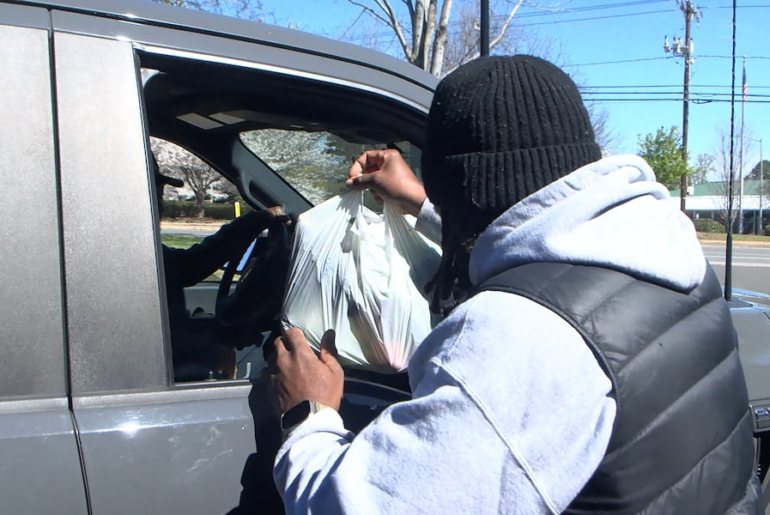
The idea of placing recovery bags containing naloxone (better known by the name brand Narcan) – an over-the-counter nasal spray that rapidly reverses opioid overdoses – and information about resources for those struggling with substance use disorder and their families in the Hull Police Department lobby, the library, bathhouses during the summer months with the Department of Conservation and Recreation’s permission, and other public places – is under consideration.
Some of the settlement money, which is allocated to the town over a number of years, may also be used to fund a licensed social worker contract position dealing primarily with substance abuse issues.
“The fire and police departments, our public health department, and the Anchor of Hull all agree this would be an asset to the community,” Constable said.
She also noted that the task force is in communication with schools Superintendent Michael Jette and others about additional ways the fund could be used.
Select board member Greg Grey thanked Gerold and other Anchor staff for their efforts.
“The importance of what you do is incredible,” he said. “Are we winning the battle?”
“I think we are,” Gerold responded. “When we first started the Anchor nine years ago, the overdose rate was quite high. We may have played a small role in the numbers dropping. Overdoses are down in our area.”
Grey responded that the Anchor plays a “very large role” in helping individuals with their recovery.
Chair Irwin Nesoff said he visited the Anchor recently and was impressed.
“Thank you for the work you do,” he said.
The board voted unanimously to support awarding the $50,000 grant.
In other business
Constable reported that there was “some undermining of the James Avenue pier that we’re aware of, and the Department of Public Works is making emergency repairs for now. We will need to address this in a more comprehensive way in the future, but the pier is secure in the interim.”
She also noted that the DPW “has filled in the illegal [dune] openings at Malta Street and secured the area” of Nantasket Beach.