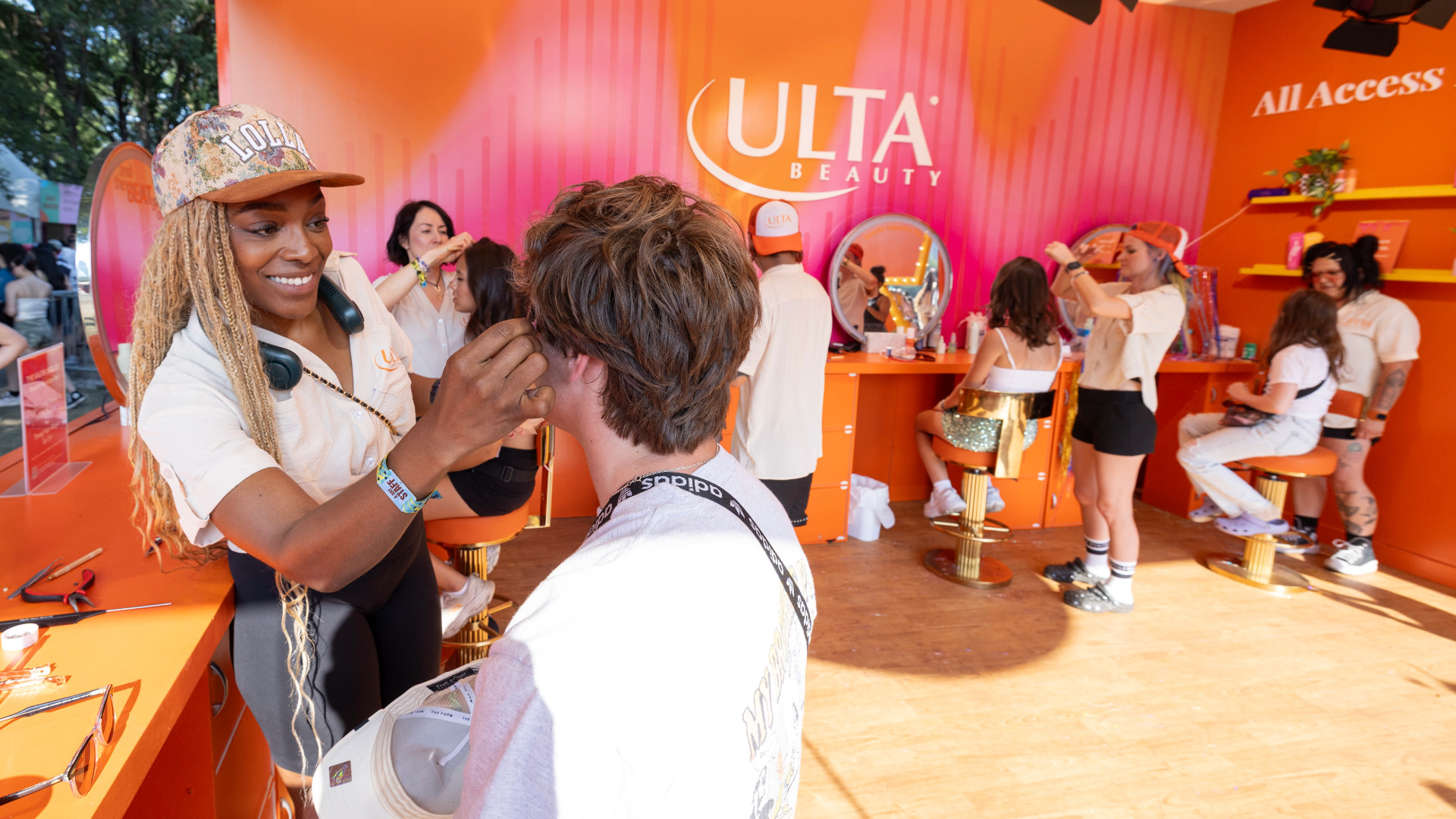
A Manhattan location of Ulta Beauty is facing a federal lawsuit after allegedly refusing to provide salon services to a Black mother and her young daughter.
According to a complaint filed in federal court, and obtained by Gothamist, the incident took place at the company’s East 86th Street store on the Upper East Side. The plaintiffs, identified as Lauren Smith and her 7-year-old daughter, say they arrived for scheduled hair appointments ahead of a photoshoot but were turned away by staff.
Employees allegedly cited discomfort with the pair’s hair “type” and “texture” and told them they did not work with “your kind of hair,” despite never having examined it.
The lawsuit claims the refusal happened in front of other customers, compounding the emotional impact. The filing describes the child leaving the store “crying hysterically” and asking, “What is wrong with my hair?” and “Why can’t I go there if there are brown girls [in ads] on the walls?”
The complaint argues the reasoning given by staff was a pretext for racial discrimination rather than a legitimate service limitation.
Ulta Beauty, which operates roughly 1,500 stores nationwide and promotes itself as an inclusive brand, did not immediately respond to requests for comment.
On its website, the company states it is committed to “magnifying, uplifting, supporting and empowering the influence that Black voices bring to the beauty industry.”
The lawsuit alleges violations of multiple laws, including the New York State Human Rights Law and federal civil rights protections. It also references updated cosmetology requirements that took effect in May 2024, mandating that licensed stylists be trained to work with all hair types.
A legislative memo tied to that requirement notes that about 65% of the global population has textured hair, yet many still struggle to access qualified professionals.
New York’s legal framework around hair discrimination has expanded in recent years. The state’s CROWN Act explicitly defines race to include natural hair textures and protective styles such as braids, locks, and twists, while the New York City Commission on Human Rights classifies hair-based discrimination as a form of racial or religious bias. The commission has warned that such practices can “exacerbate social, economic, and educational inequality.”
The complaint also points to prior allegations involving the company, including past claims of racial profiling, to argue a broader pattern of what it describes as “systemic corporate indifference.”
The plaintiffs are seeking monetary damages and court-ordered changes, including additional staff training.