Did you start the year off going hard on everything? Whether it was exercise, restriction, or intentions, what it mostly adds up to is being hard on ourselves. It’s likely, a few months into 2026 that you haven’t in fact morphed into a new, shinier version of yourself, and you’re probably feeling pretty deflated about it.
But what if we could alleviate that guilt, and reframe our “always on” culture? I know that I, like many people, feel like we’re not doing “enough” for our health. Whether that’s being mindful enough, eating enough protein and biome-enriching foods, lifting heavy enough weights, adequately taking care of our mental health… the list could go on. I had to laugh the other day at a social media post that said: “I feel more pressure about protein now than I did to take ecstasy in the 90s.” Because it’s true whether you’re getting enough sleep, or not getting out within the first hour of waking for the “light”, the bombardment of wellbeing advice all feels so overwhelming. And, ironically, it’s leading to health burnout.
The Burnout Report 2026, published by Mental Health UK, shows that the risk of burnout remains staggeringly high, with 91 per cent of adults experiencing “high or extreme levels of pressure and stress in the last year”, which is the same level as in the previous two years. It makes sense that we are trying to get on top of this stress by doing things that are good for us, but this can lead to its own problems.
I personally struggle with a list of “improving” activities, but am always keen to know some simple, easily actionable tips we can all employ around our physical and mental state that would improve our overall wellbeing, and maybe help us feel just a little bit less overwhelmed. I, for one, want to stop screaming inside that it’s all too much. I want to banish the guilt and embrace a much calmer way of living, which doesn’t rely on me journalling my way to serenity.
Compassion
We live in increasingly disconnected times, with our heads in our phones feeding us our failings, and ploughing divisive rhetoric. But therapist and coach James Osborn explained we should work to embed compassion in our everyday lives. While I know from my own experience it can be very difficult to be compassionate to yourself, Osborn explained, “If you hear yourself with compassionate and curious questions, you’ll find that you start being able to do that for yourself, and that’s just a virtuous circle. When you’re showing compassion, you’re giving permission for others to show it to you, and in turn, you start to feel more comfortable doing it with yourself.”
Compassion is also about moving away from an insular existence, Osborn explains, that itself can help with the overwhelming sense of helplessness many of us feel as global events unfold. If we spend more time connecting with our immediate communities instead of focusing purely on ourselves, or evens out of our control, the ripple effects can be extraordinary. It’s also about not feeling bad for feeling good – and if that means skipping your serenity yoga class to go out with friends on a school night and have a glass of wine, then give yourself a pass.
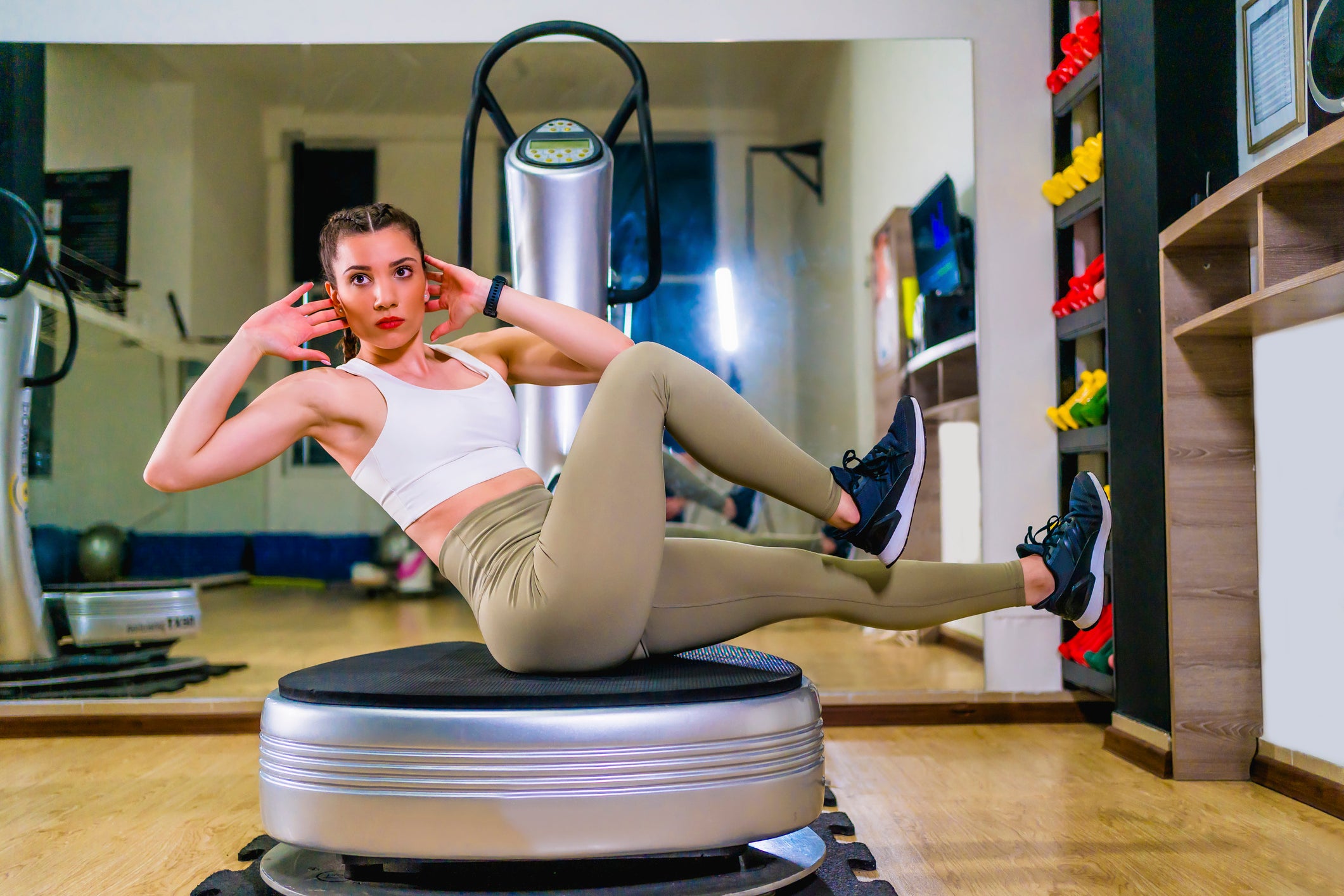 It’s worth taking a moment to listen to your body and ask yourself what you really need (Getty/iStock)
Start with a pause
We’ve never had more information about what we should be doing regarding our health and mental wellbeing, yet it feels that none of us are really flying. As midlife personal trainer and founder of CLC Fitness Carly Corrigall explained to me, it’s important to “start with a pause”. This is the point at which we listen to our bodies and ask ourselves what we really need, and then it’s about implementing small things in a consistent approach.
I have a friend who was exhausting herself with a dance class on Tuesdays, body conditioning on Saturdays, yoga three times a week and swimming every morning. She ended up hating it all and constantly cancelling. When she was honest about how the classes made her feel, she worked out what she was actually getting from them. The dance class went; the swimming stayed, but only when she had time. When she didn’t, instead of doing nothing, she’d do a quick 10-minute stretch or walk a bit more between bus stops.
By making a new plan to simply do something every day, without being rigid about what or for how long, she found the energy to stick to it. It’s easy to embrace an all-or-nothing approach, but as Corrigall says, “It’s the small things done consistently that move the dial the most, and that can be as simple as starting with a 10-minute programme [in your own home] three times a week.”
Avoid fitness trackers
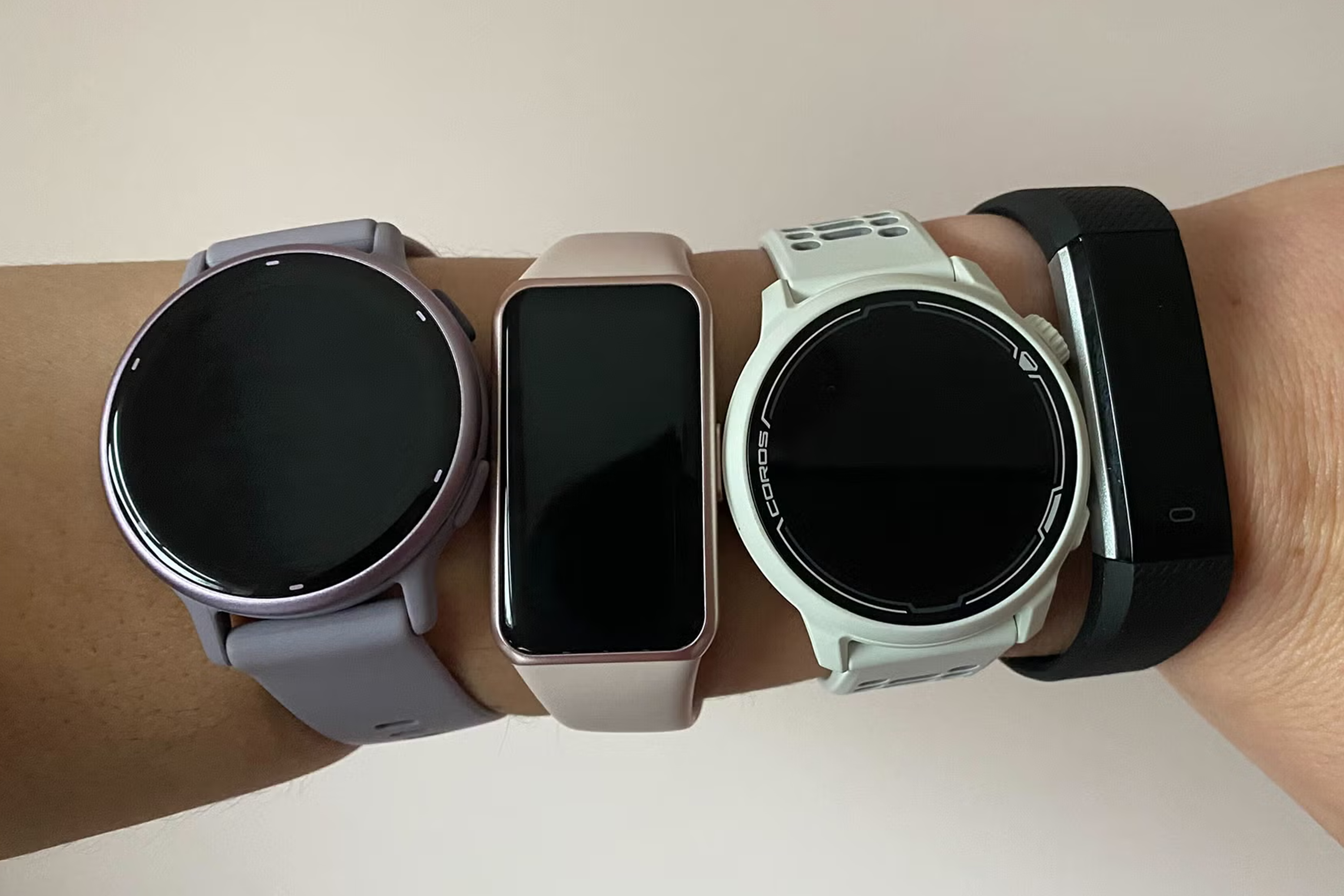 Could putting these in the drawer actually be beneficial? (Zoe Griffin/The Independent)
Studies have regularly shown that trackers can increase health anxiety, and they often don’t tell the full story. Corrigall suggests to clients to ditch their trackers and just tune into their bodies instead.
They can “add a layer of stress, constantly telling you what you’re not doing as opposed to listening to what your body is telling you… just put it in a drawer for a month and see how that feels – it’s another great way to draw that connection back to yourself, and to meet you where you are right now.”
Light and Shade training
Bringing contrast to your week can really reap benefits. “If you’re into yoga, great, but what I would look to do is introduce a little bit of plyometrics, which sounds horribly complicated but it’s as simple as doing some squats and popping up onto your toes. Likewise, if you love CrossFit, make sure you get out in nature too; it’s going to get your connective tissues feeling lovely and juicy.”
Breathe
Yes, I know we all breathe, but when was the last time you focused on it as a form of movement? Jodi Montlake, a certified naturopathic health coach, told me that if we do nothing else, we should concentrate on our breath, as breath is movement.
A simple exercise that Montlake suggested is “four-part box breathing”: you inhale for four, hold for four, exhale for four and hold for four and repeat. It’s a small, yet supremely sustainable reset that can even help prevent rising anxiety and stress. “Incorporating this movement calms the nervous system, and helps you feel well. Chronic stress is everywhere and a ‘hard stop’ shouldn’t be feared; it’s not a sign of individual weakness.”
Get out in nature
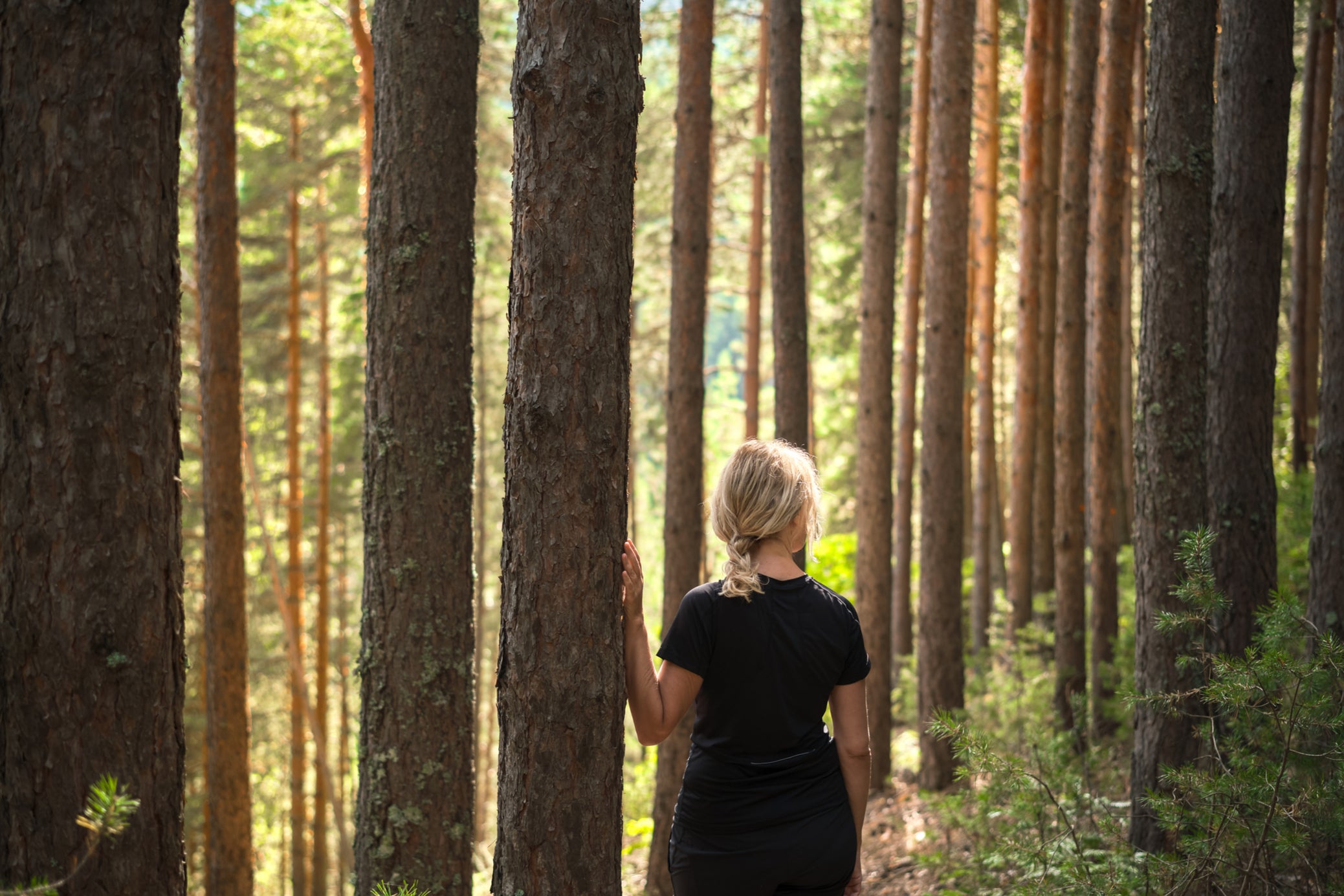 The healing power of nature is free for all to access (Getty/iStock)
“Environment matters,” Mortlake explains. “Nothing works as simply in bringing down chronic stress as getting outside,” and the beauty is it requires no fancy equipment or expensive memberships – it’s free and completely available to all of us.
Know nutrition isn’t complicated
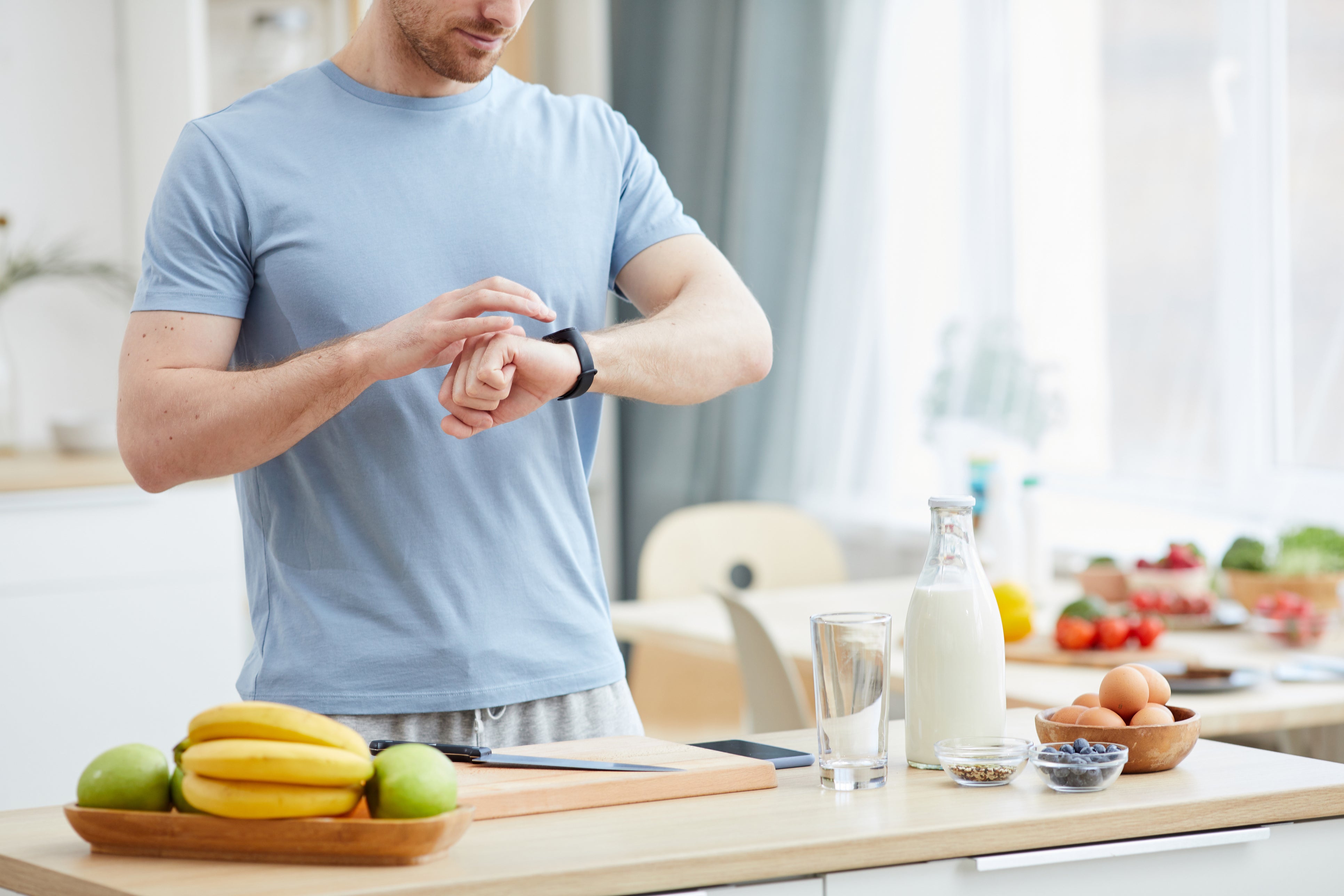 We are bombarded with nutrition information (Getty/iStock)
What we eat often seems to fuel some of the biggest feelings of not doing enough. We are bombarded with information, which can often feel conflicting and frankly, completely anxiety-inducing. The reality, as registered dietitian Alyssa Dowd told me, is far simpler: “We don’t eat micronutrients and macronutrients, we just eat food.”
Of course, it seems obvious, but honestly, when someone tells me I have to be tracking my macros, it sends me into a spiral of confusion, and I bet it does you too. Dowd says, “Unfortunately, both the wellness industry and the world of diet culture benefit from the panic and stress that you’re not doing enough. The truth is, the basics of wellness and a stress-free life is a simple one. It’s not glamorous, but it is easy – strip it back to basics and don’t make it overcomplicated.”
The best way to do this is to have a balanced plate. Making half of it full of vegetables, a quarter of some form of protein (fish, chicken etc), and the final quarter made up of complex carbohydrates such as wholegrain pasta, potatoes or quinoa. It’s also worth remembering that “carbs aren’t the enemy, it’s the only way our brain’s supplied with energy”.
And if you want to up your fibre, frozen vegetables are your friend. Dowd advised, “While they’re not the most glamorous, they are nutritious and an easy way to increase your fibre intake.”
And the most important thing to remember…
“All foods belong in a healthy and balanced diet – the wellness industry just doesn’t want you to know that. Focus on a diet led by wholefoods, and follow the rough plate structure, and you’ll get everything you need without measuring or counting anything.” This is the sort of simple, pragmatic advice that I can easily follow.
So let’s give ourselves a bit of a break, and acknowledge that “good enough” is often more than enough. You’re doing great – keep breathing, and show yourself some of the deep compassion that you’re no doubt heaping on your loved ones around you – that’s probably the only glow-up you really need.