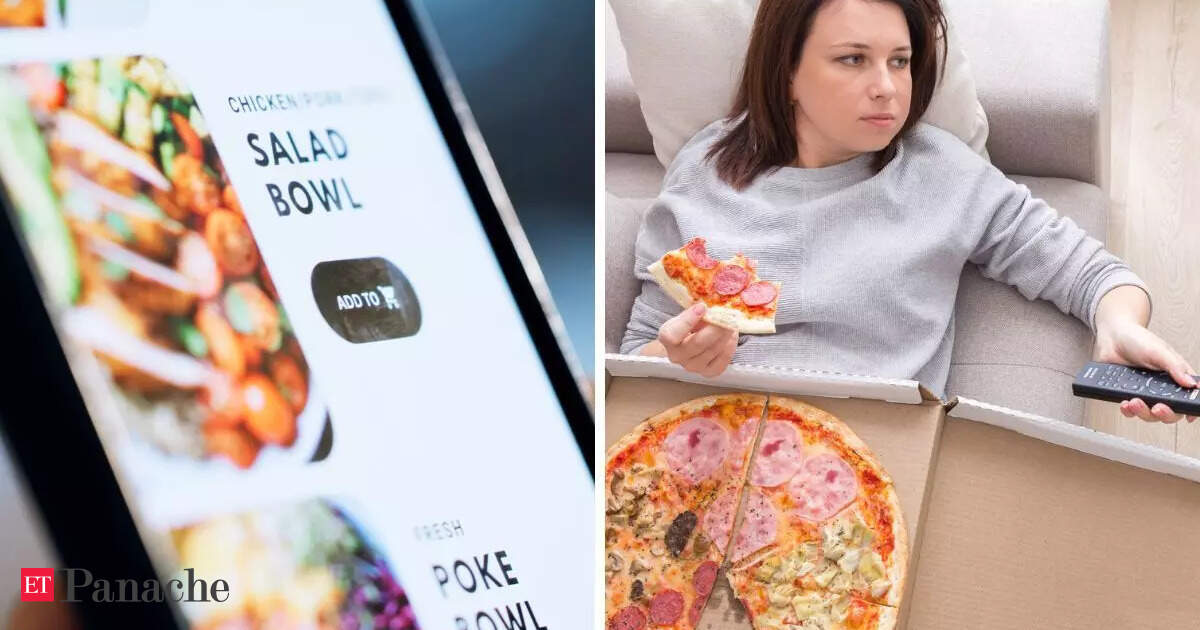
How many times have you been scrolling endlessly on the phone, only to be alerted by a push notification from Swiggy or Zomato? At that moment, you may think it’s harmless to order some fried chicken or a bowl of pastry, relishing the items, binge-watching your favourite shows. But constant ordering from online food delivery apps, which have become easily accessible now, can have detrimental health effects, as pointed out by Mumbai-based nutritionist Sanya Wadhera, who is associated with the International Sports Science Association (ISSA) company.
Sanya Wadhera has shared an insightful post on her X handle, highlighting the risks of online food orders. As busy professionals, she revealed that our mindless food habits are not only making us addicted to food delivery applications but also impacting our health negatively. She stated that a few years ago, ordering food was a special Friday night indulgence after a long work week. But now, the habit has become a staple for many of us for every meal, be it for breakfast, lunch, or dinner.
Insane calories
As per Sanya Wadhera, a single order can pack up to 600-800 calories, largely from oil, refined carbs, and excess sodium. If you order twice a day and you have already crossed 1,500 calories even before dinner.Oil overload and silent sodium damage
According to the nutritionist, restaurant food contains 3-5 times more oil than home-cooked meals. For example, a plate of butter chicken may have triple the fat of a homemade version. What is even more concerning is the sodium content. One plate of biryani can meet your entire daily limit, quietly increasing the blood pressure in your 30s without any obvious symptoms.
Tricky portions
A family-sized pizza for Rs 199 and no delivery charges might sound tempting, but it is actually a psychological trick and not a smart deal. Pricing is purposefully structured to make upsizing irresistible, encouraging overeating while making you feel like you are saving money, claims Sanya Wadhera.
Non-accidental late-night ordering
From biryani cravings at 11 pm to dying to have a slice of pizza at midnight, late-night eating has become a routine. As per Snaya Wadhera, push notifications, often around 10 pm, tend to target moments when your willpower is at its lowest, making indulgence feel almost inevitable.So-called healthy options
Even the foods labelled as ‘healthy’ on the apps can be misleading, cautions the nutritionist. A grilled chicken salad may come loaded with sugary dressing, while a protein bowl might be made up purely of rice with little to no protein. The branding may promise health, but the ingredients often tell a different story.
India’s Swiggy and Zomato addiction is creating the most unhealthy generation of professionals we’ve ever seen.
10 years ago, ordering food was a Friday night treat. Now it’s breakfast, lunch, and dinner for millions of working Indians.
Here’s what nobody’s talking about:
1.…
— SANYA | Corporate Athlete Method (@sanyayyyy) March 17, 2026
In conclusion, Sanya Wadhera acknowledged that while healthier options do exist on online food delivery apps, these features are barely available in tier 2 and tier 3 cities. What’s more, even in cities where they do exist, most people are unable to distinguish between what is marketed as healthy and what is really healthy for their bodies.
Add  as a Reliable and Trusted News Source