It’s official, we’ve reached that time of year again where we can start building vitamin D here in the UK through sunlight. But does that mean it’s time to ditch your vitamin D supplements? Not necessarily and here’s why.
If you are navigating perimenopause or menopause, vitamin D becomes even more important. During this stage of life, hormonal changes, particularly the decline in oestrogen can impact your bone density, muscle health, mood and overall resilience. This is where vitamin D plays a powerful supporting role.
Why vitamin D matters more during menopause
Vitamin D is essential for:
• Maintaining strong bones and reducing the risk of osteoporosis
• Supporting muscle strength and reducing aches and pains
• Helping regulate mood and energy levels
• Supporting your immune system
Many of the symptoms I hear from patients during perimenopause; joint stiffness, fatigue, low mood, and general aches can overlap with low vitamin D levels. As an osteopath, I often see how improving vitamin D status can support overall musculoskeletal health and wellbeing.
 © Michael Stuart-DaleyNadia Alibhai
Why winter leaves us depleted
In the UK, between October and early March, the sun simply isn’t strong enough for us to produce adequate vitamin D, even on bright days. So, by the time we reach spring, many of us are already running low, which can leave us feeling more fatigued, achy and flat.
So now the sunshine is on its way back, what should you do?
As we move into spring and summer, we can begin to rebuild our vitamin D stores naturally. But it’s not about lying in the sun for hours, it’s about smart, safe exposure.
How to safely build vitamin D from sunlight 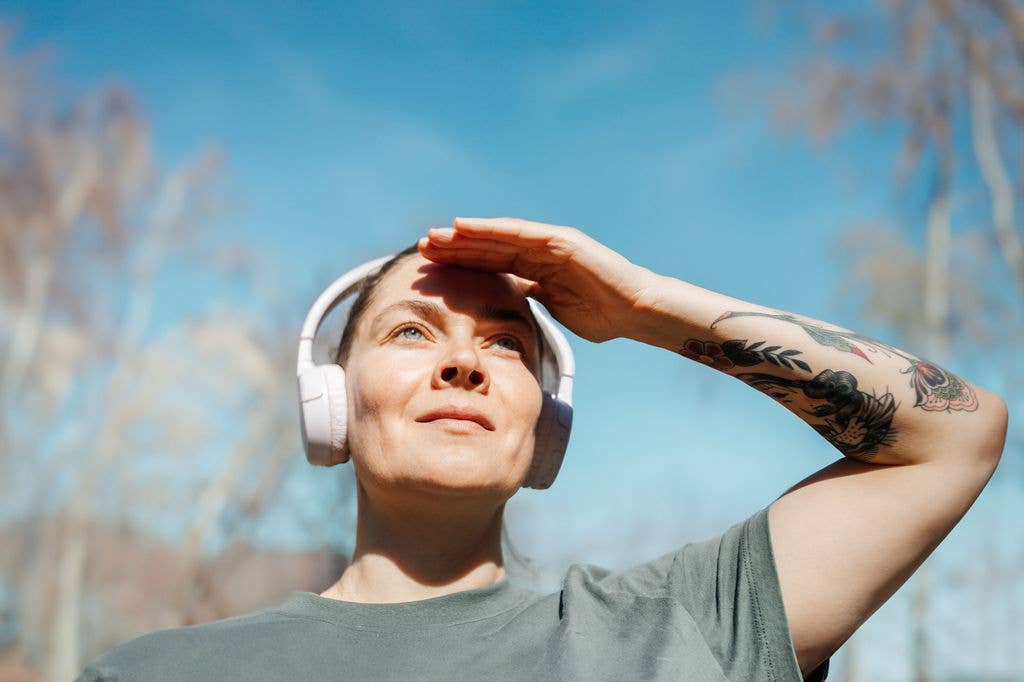 © Getty ImagesThere’s nothing like the feel of warm spring sunshine on your skin after a gloomy winter
• Aim for short periods outdoors around midday, when the sun is strongest
• Expose areas like your arms, hands or lower legs where possible
• Think little and often, consistency is key
As a rough guide:
• Fairer skin tones may need around 10–15 minutes
• Darker skin tones may need longer, as melanin offers natural sun protection
A simple tip I often share: if your shadow is shorter than you, the sun is strong enough to help you make vitamin D.
Protecting your skin still matters
This part is important, building vitamin D should never come at the expense of your skin health.
• Avoid burning at all costs
• After your short period of sun exposure, apply sunscreen or cover up
• If you’re staying outdoors longer, seek shade where possible
It’s about balance, not overdoing it.
Why many women still need supplements
Many women I see assume that once the sun is out, supplements are no longer needed. But in reality:
• Many of us work indoors (clinics, offices, working from home)
• Sitting by a sunny window doesn’t help, glass blocks UVB rays
• Clothing choices may limit how much skin is exposed
• We may already be starting from low levels after winter
All of these factors mean that supplementation can still be incredibly helpful, especially during perimenopause and menopause, when your body’s needs are higher.
How to take vitamin D for better absorption
This is something I often emphasise with my patients, vitamin D is a fat-soluble vitamin, which means it needs to be taken alongside a source of healthy fat to be properly absorbed.
Good options include:
• Oily fish such as salmon or mackerel
• Avocado
• Nuts and seeds
• Eggs
Without some fat in the diet, you may not be absorbing your supplement as effectively as you could be.
I also often recommend a liquid form of vitamin D, either as an oral spray or drops under the tongue. These can be convenient, easy to take, and may support quicker absorption, particularly for those who struggle with tablets.
Don’t forget food sources 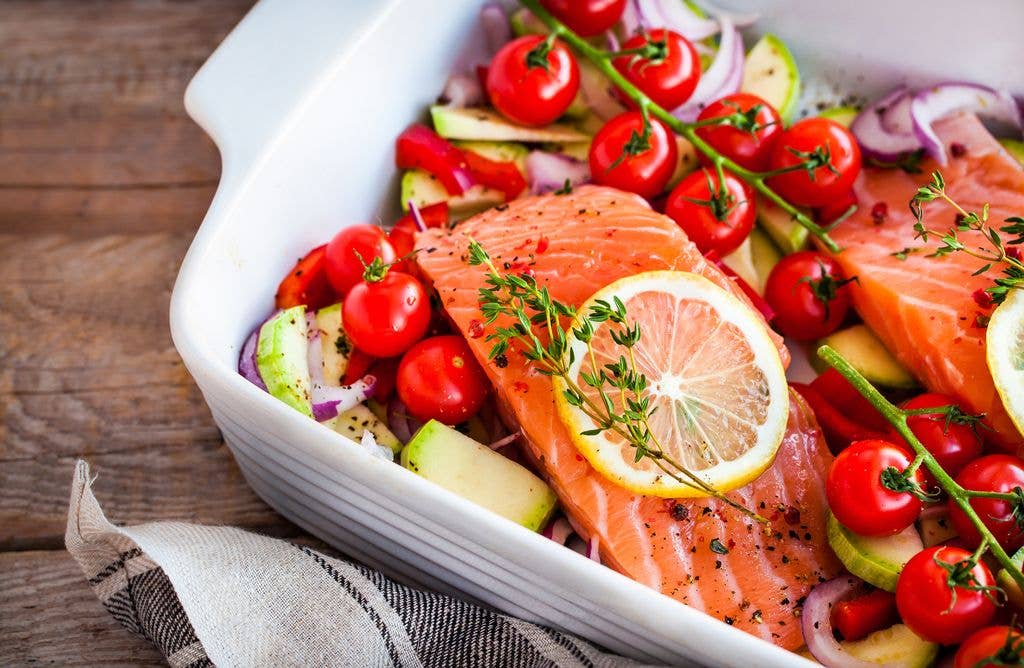 © Getty ImagesA healthy diet can support vitamin D absorption
You can also support your levels through diet, including:
• Oily fish (sardines, mackerel, herring)
• Eggs
• Dark green leafy vegetables
However, it can be difficult to get enough from food alone, which is why a combined approach often works best.
Think of vitamin D as part of your daily self-care during menopause, just like movement, rest and nutrition.
• Get outside regularly
• Be mindful of safe sun exposure
• Take your supplement correctly for optimal absorption
• Consider whether supplementation is still right for you
• Support your body consistently, not occasionally
Small, steady habits really do make a difference and when it comes to vitamin D, a little sunshine can go a long way in supporting your bones, your mood and your overall wellbeing during this stage of life.