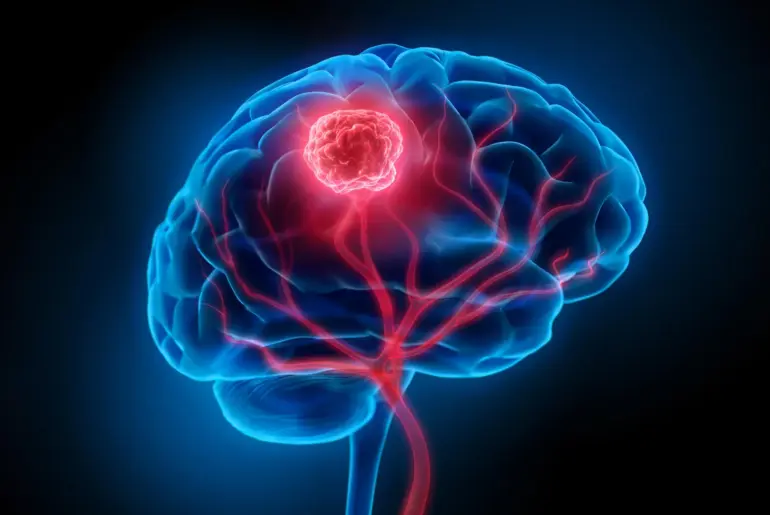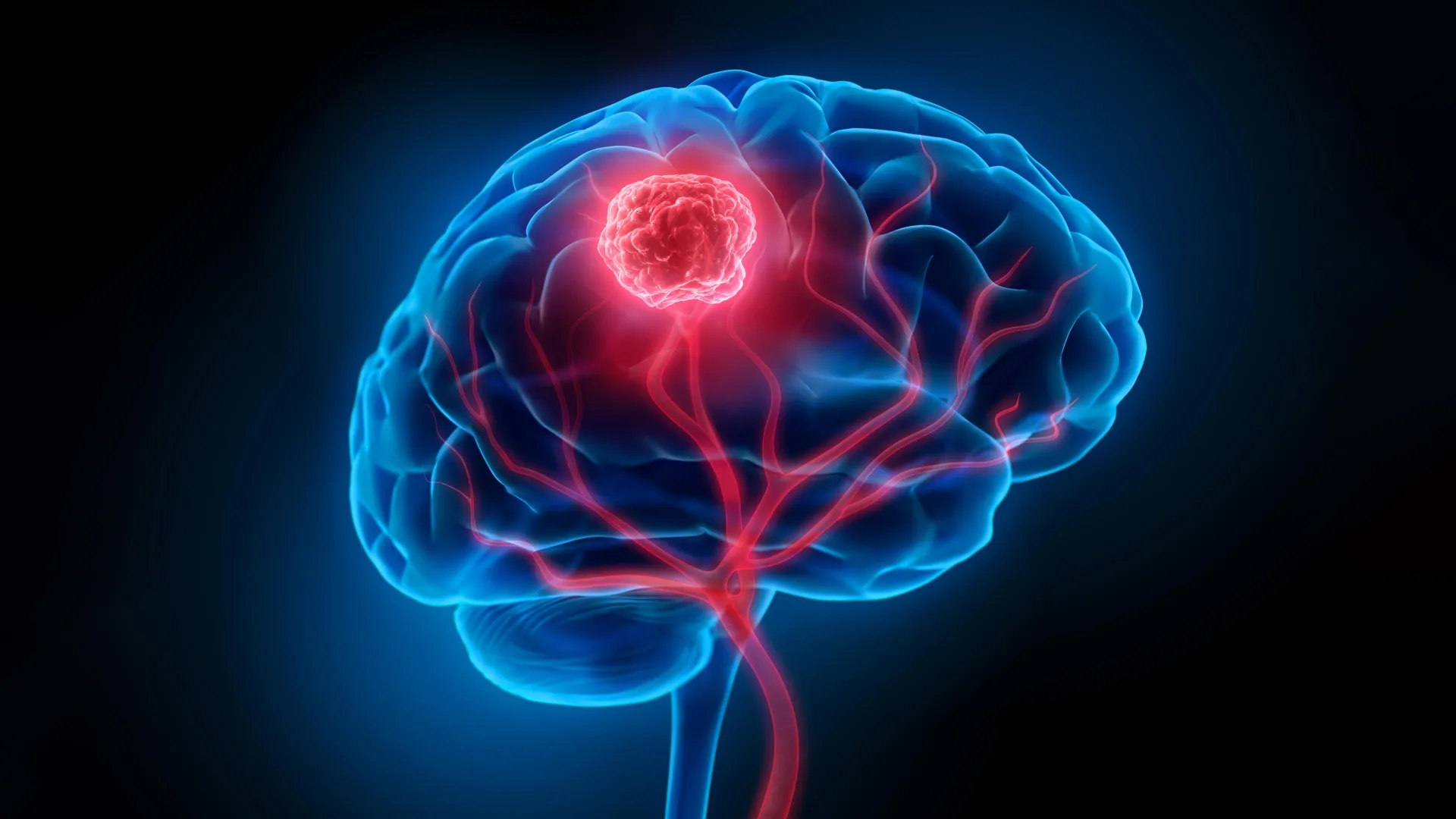
Researchers from Mass General Brigham and Dana-Farber Cancer Institute report that a single dose of an oncolytic virus, a genetically engineered virus designed to infect and kill cancer cells, can draw immune cells deep into brain tumors and keep them active there. Their findings, published in Cell, explain how this approach improved survival in patients with glioblastoma, the most aggressive and common form of primary brain cancer, during a recent clinical trial.
“Patients with glioblastoma have not benefited from immunotherapies that have transformed patient care in other cancer types such as melanoma because glioblastoma is a ‘cold’ tumor with poor infiltration by cancer-fighting immune cells,” said co-senior author Kai Wucherpfennig, MD, PhD, chair of the Department of Cancer Immunology and Virology at the Dana-Farber Cancer Institute. “Findings from our clinical trial and our mechanistic study show that is now feasible to bring these critical immune cells into glioblastoma.”
Engineered Herpes Virus Targets Cancer Cells
The therapy uses an oncolytic virus developed by E. Antonio Chiocca, MD, PhD, Executive Director of the Center for Tumors of the Nervous System at Mass General Brigham Cancer Institute. It is based on a modified herpes simplex virus that has been engineered to replicate only inside glioblastoma cells, leaving healthy tissue unaffected.
Once inside a tumor cell, the virus destroys it and then produces copies of itself that move on to infect neighboring cancer cells. This process not only kills tumor cells directly but also activates the immune system. In a phase 1 clinical trial involving 41 patients with recurrent glioblastoma, treatment with the virus was associated with longer survival compared to historical outcomes, with the strongest benefit seen in patients who already had antibodies against the virus.
Immune Response Linked to Longer Survival
To better understand how the therapy works, the researchers analyzed tumor samples from trial participants. They found that the treatment led to a sustained presence of immune T cells within the tumors. Patients whose cytotoxic T cells were located closer to dying tumor cells tended to survive longer after treatment.
The therapy also boosted the number of existing T cells in the brain, suggesting that it strengthens the body’s own immune defenses rather than relying solely on new immune activity.
“We show that increased infiltration of T cells that are attacking tumor cells translates into a therapeutic benefit for patients with glioblastoma,” said Chiocca, who is also a co-senior author of the study. “Our findings could have important implications for a cancer whose standard of care hasn’t changed for 20 years.”
In addition to Wucherpfennig and Chiocca, authors include Maxime Meylan, Ye Tian, Lijian Wu, Alexander L. Ling, Daniel Kovarsky, Graham L. Barlow, Linh D. Nguyen, Jason Pyrdol, Sascha Marx, Lucas Westphal, Julius Michel, L. Nicolas Gonzalez Castro, Sydney Dumont, Andres Santos, Itay Tirosh, and Mario L. Suva.