
Sulfur plays a crucial role in plant nutrition from a biochemical perspective, especially in the synthesis of amino acids and proteins. “It is, in fact, a key element for the synthesis of fundamental compounds such as methionine, cysteine, and glutathione,” Afepasa explained.
“Methionine serves as a precursor for various molecules that are crucial in plant growth and stress regulation. Cysteine provides structural support in proteins and helps in the plant’s antioxidant defenses. Glutathione, one of the strongest antioxidants, participates in detoxification and shields cells from oxidative damage, supporting overall metabolic stability.”
 © Afepasa
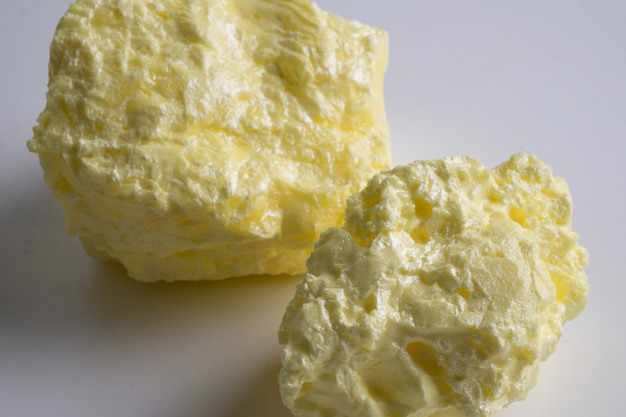
In terms of availability, different forms of sulphur behave differently in the soil. “Elemental sulphur functions as a medium- to long-term reserve because it must first be converted into sulphate by microbial activity before plants can absorb it. This conversion process results in a slower yet more enduring supply. Conversely, sulphates are immediately usable by plants, offering a quick response but also carrying a higher risk of leaching losses, particularly in light soils or with intensive irrigation.” Afepasa’s technological innovation helps to address some of these traditional limitations.
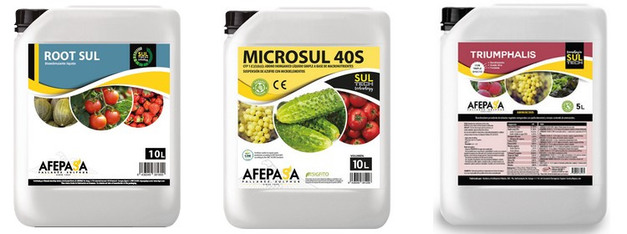
Technologies like Sultech improve sulphur efficiency through orthorhombic crystallography and smaller particle sizes, boosting reactivity and rapid soil transformation. This ensures quicker nutrient availability with immediate and persistent effects.
 © Afepasa
Sulphur as a biostimulant
Besides its nutritional role, sulphur functions as a biostimulant. “Its presence enhances soil microbiological activity, particularly the microorganisms that convert nutrients into forms accessible to plants. Simultaneously, by aiding in the synthesis of compounds like glutathione, it helps strengthen plant defenses and increases tolerance to abiotic stresses such as drought, salinity, or extreme temperatures.”
“Sulphur’s influence also affects how other nutrients behave in the soil. Its interaction with nitrogen enhances nitrogen absorption, particularly in high-demand crops, thereby maximizing the effectiveness of nitrogen fertilization. Additionally, sulphur aids in solubilising phosphorus and micronutrients that might otherwise be locked in the soil, making them more accessible to plant roots.”
 © Afepasa
Enhancements in soil’s physico-chemical properties
Finally, regarding soil enhancement, Afepasa highlights that sulphur-based formulations are vital for fixing physico-chemical imbalances. “Products developed with our advanced Sultech technology can displace salts in saline-sodic soils, reducing electrical conductivity and creating a more suitable environment for root growth. They are also effective in correcting alkaline pH in the wet bulb, helping to restore optimal conditions for nutrient absorption.”
 © AfepasaFor more information:
Afepasa
Ignasi Casajuana Reyes
Area Manager Latam & digital marketing manager
Email: [email protected]
https://afepasa.com/