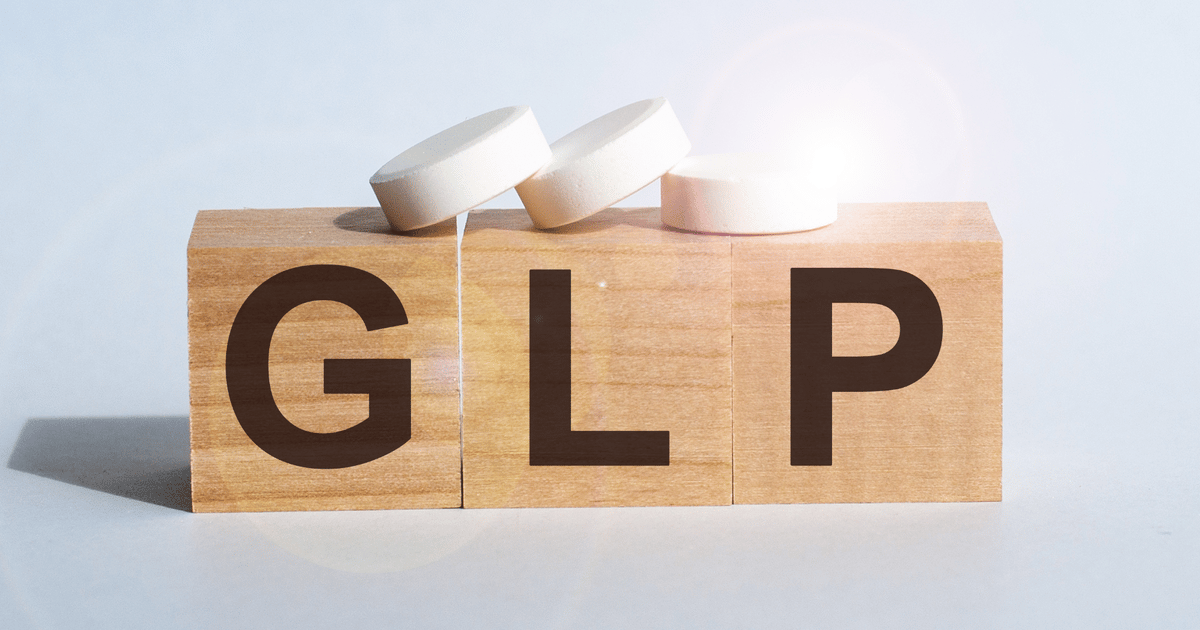
Just a few years back most people had never heard of GLP-1, a hormone produced in the gut following food intake. But now that Ozempic, Wegovy and other GLP-1 receptor agonist medications have revolutionized weight loss and metabolic-health management, almost everyone knows that little acronym—and marketers see it as gold.
As a result, there’s been an explosion of dietary supplements and functional foods and beverages positioned around GLP-1. Some of these products simply supply convenient nutrition for people taking the drugs; others ease common side effects of the medications. Other products even claim to boost the body’s GLP-1 levels to support weight management—kind of like what GLP-1 receptor agonists do, but not exactly. These are supplements after all, not drugs.
Confused? Cautious? Intrigued? Imagine how the average consumer feels. This complex new world of GLP-1 medications and GLP-1-adjacent natural products gives retailers a lot to unpack, understand and explain to shoppers. It’s tricky stuff, and from a DHSEA standpoint, it can prompt some potentially risky discussions in the aisles. Store staffs need to be ready to handle this topic properly. That’s why we asked our Secret Shopper to go hard on one retailer, then asked an expert to evaluate and elaborate.
Natural Foods Merchandiser: Are GLP-1 supplements basically the same as GLP-1 drugs, only natural?
Retailer: No, no, no, I definitely wouldn’t say that. Some supplements might help increase GLP-1 levels in the body, which might help you feel fuller, but not nearly to the extent that Ozempic or Mounjaro do.
Natural Foods Merchandiser: OK, so, do you mean that, for weight loss, these supplements work pretty much the same way as the drugs, just not as well?
Retailer: Oh no, I wouldn’t say that either. I mean, yes, they have some similar action, but it’s a lot more complicated than that. I don’t even fully understand it all. What I do know is that neither one is a silver bullet. GLP-1 isn’t everything. Whether you take Ozempic or one of these supplements that claims to boost GLP-1, it’s still important to eat right, exercise and everything else.

Jacqueline Jacques, N.D., naturopathic doctor and co-founder and president of Thrive Advisory Group, weighs in on GLP-1 drugs vs. supplements.
How did this retailer do?
Our expert educator: Jacqueline Jacques, N.D., naturopathic doctor and co-founder and president of Thrive Advisory Group
Overall, I feel that this retailer handled this exchange reasonably well! Especially given how confusing the GLP-1 conversation has become at retail and how aggressively some supplement companies advertise. This retailer appropriately avoided equating supplements with prescription drugs like Ozempic or Mounjaro, and they resisted the temptation to oversell. I also appreciate that they were very transparent about where their knowledge was limited. It is a little complicated, and I appreciate that level of honesty.
Let me help fill in a few of the blanks.
Prescription GLP-1 drugs are engineered to strongly bind to the GLP-1 receptor and to resist being broken down. This means they produce very powerful, long-lasting effects on appetite suppression, gastric emptying, insulin secretion and weight loss—much stronger than the natural GLP-1 hormone produced by the body. Basically, these drugs can stay around working in the body between a few hours and a week, whereas the GLP-1 you produce is broken down in minutes.
Most supplements are not acting on the GLP-1 receptor. Instead, some supplements, as well as some foods, can help enhance the body’s own GLP-1 release after meals by influencing digestion, blood sugar response and gut-derived hormone signaling. This can occur through mechanisms such as slowing carbohydrate absorption, improving insulin sensitivity, interacting with other satiety hormones or via the microbiome. Because this approach works by enhancing normal physiology rather than strong receptor activation, the effects tend to be more modest, vary from person to person and depend more heavily on diet and lifestyle.
That doesn’t mean GLP-1-supportive supplements are not useful—they just are not drug substitutes. For the right consumer, they may help with satiety, balance blood sugar levels or support metabolic health as part of a broader strategy. I also think they will increasingly be used to help people seeking to maintain their weight and metabolic health long-term, after they stop drug treatment.
The retailer was absolutely right that “it’s still important to eat right, exercise and everything else.” Weight management involves multiple systems like glucose control, muscle mass, stress, sleep, etc. Whether someone is using a medication or a supplement they will have better and more durable results if they have a plan that includes diet, exercise and lifestyle management.