 3 min read
Registered dietitian, Basecamp master cycling coach, and elite endurance athlete Namrita Brooke also has a PhD in applied exercise physiology. That gives her a valuable perspective when it comes to the important role nutrition plays in fueling and ride and helping cyclists reach their goals. She credits much of her own success over the years to an ever-evolving approach to nutrition. In her decades of competitive cycling that includes cyclocross and 24-hour racing, she has seen dozens of nutrition trends come and go, and like many of her peers, she’s gone through the “eating is cheating” era that prized restrictive diets aimed at severe weight loss. Now, as she approaches 50 years old, she’s embraced a healthier and more effective nutrition strategy and has helped hundreds of riders do the same. Along the way, she’s developed four rules that she believes older cyclists should keep in mind to thrive on and off the bike.
Eat When You Ride
From the “eating is cheating” mantra of the 1990s and early 2000s to the fasted training and intermittent fasting crazes of the last decade, Brooke says we haven’t done ourselves any favors by continuing to skimp on fueling our rides. She says many of her nutrition clients come to her assuming that they need to train without eating first in order to be fast, or believe they need to skip fueling during a race to optimize performance. “It used to be a badge of honor to do some sort of long ride with no carbs,” says Brooke. “But now, we’re at the age where people are eating so many calories. They’re taking in 100 grams of carbs an hour.”
Eating before, during, and after training is especially important as riders get older. “They can’t get away with not fueling their rides,” she says.
How can you fix it? You may not be taking in 100 grams of carbs per hour like the pros are these days, but taking in 50 grams (about 200 calories) per hour on the bike can dramatically increase your performance, she says.
Eat Simple Carbs at the Right Time
Getting older requires us to “button up” our nutrition. “You have to be really optimized: You can’t get away with the same diet you could when you were 20,” Brooke says. And that means being smart about your carbohydrate intake.
Carbs aren’t bad for you, she explains. But the type and timing matters. If you’re going to eat sugary simple carbs, like cookies, pastries, sports drinks, white bread, or white rice, do it around the time of your workout so they actually work for you. The rest of the time, focus on carbs that are higher in fiber, like fruits, starches, and vegetables, she says.
“You can still eat plenty of carbs, you just time them better,” she says. For many older riders, this simple nutrient timing shift may even improve your body composition—without actually changing your total intake, Brooke adds.
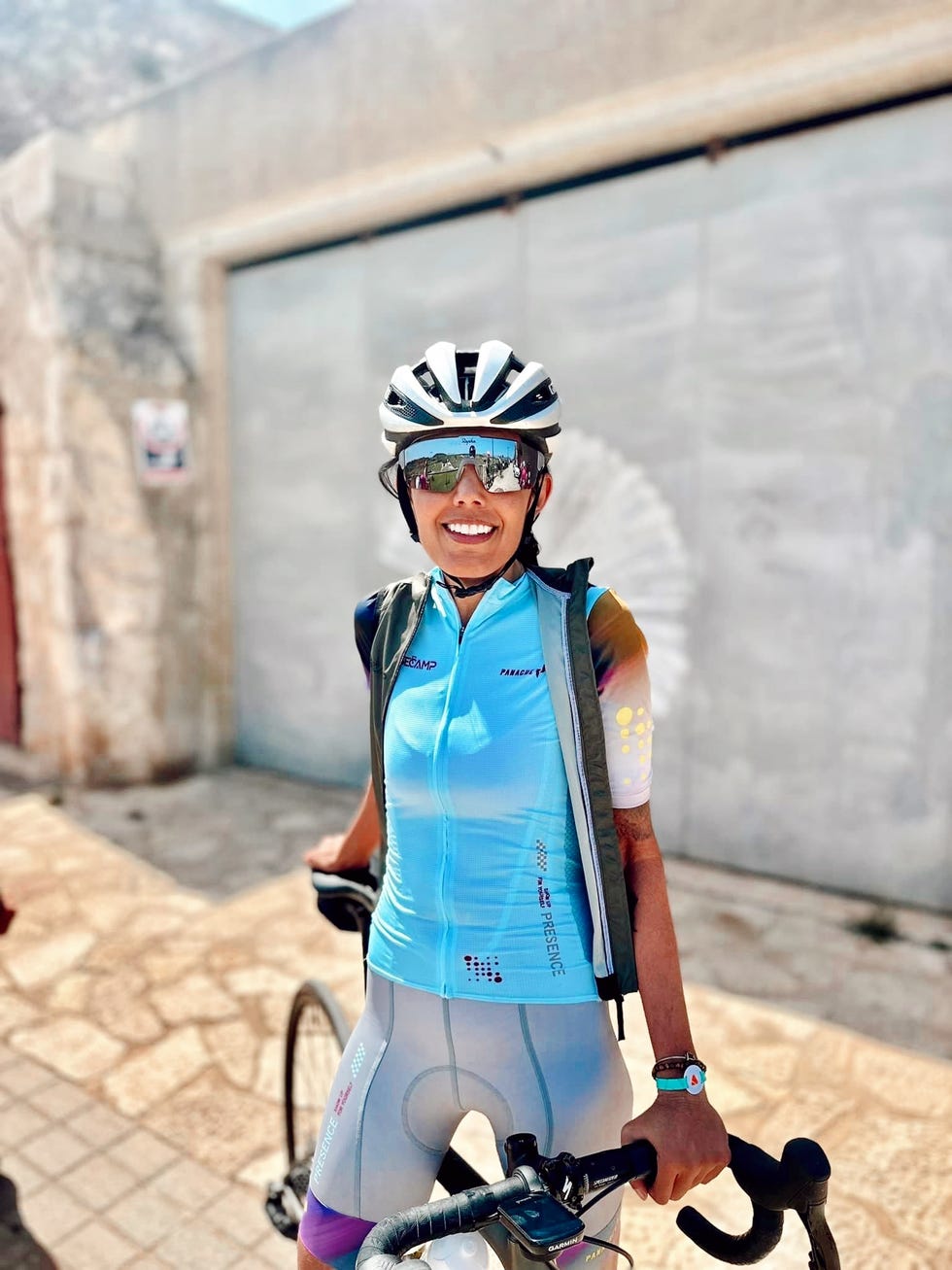 Courtesy Fluid Sports Nutrition, Kaori Peters
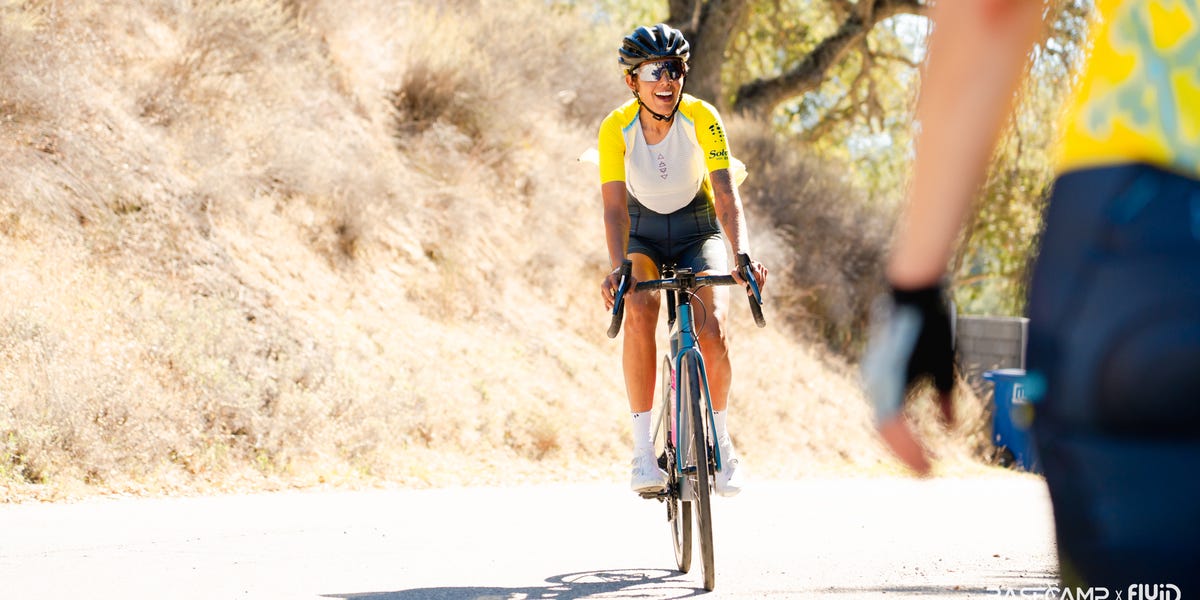
Cycling coach Namrita Brooke has a PhD in applied exercise physiology and is a registered dietician. Many senior cyclists still underfuel, she says.
Eat Enough Protein
“Focus on fueling your training, and beyond that, protein and fiber should be a priority at all of your meals,” Brooke says. “You can still train as much as you used to and hit numbers that are close to your old numbers if you’re doing all the right things.”
As you get older, eating enough protein is still important, but Brooke adds that you have to be a little more selective with your sources. She suggests looking for lean cuts of meat and other protein sources that don’t contain fat, like nonfat Greek yogurt. “Sometimes you have to add a protein supplement to get at least 1.8 to two grams of carb or protein per kilogram of your body weight per day,” she adds.
Keep an eye on your bloodwork
For older cyclists with big goals or who want to prioritize their health, Brooke recommends twice yearly bloodwork. Most primary care doctors will order a standard blood panel looking at things like cholesterol, key micronutrients like vitamin D and iron, and hormones. Keeping track of how your bloodwork changes over time can help you catch issues early, and potentially supplement in a smarter, more targeted way that will keep you healthy and pedaling strong.