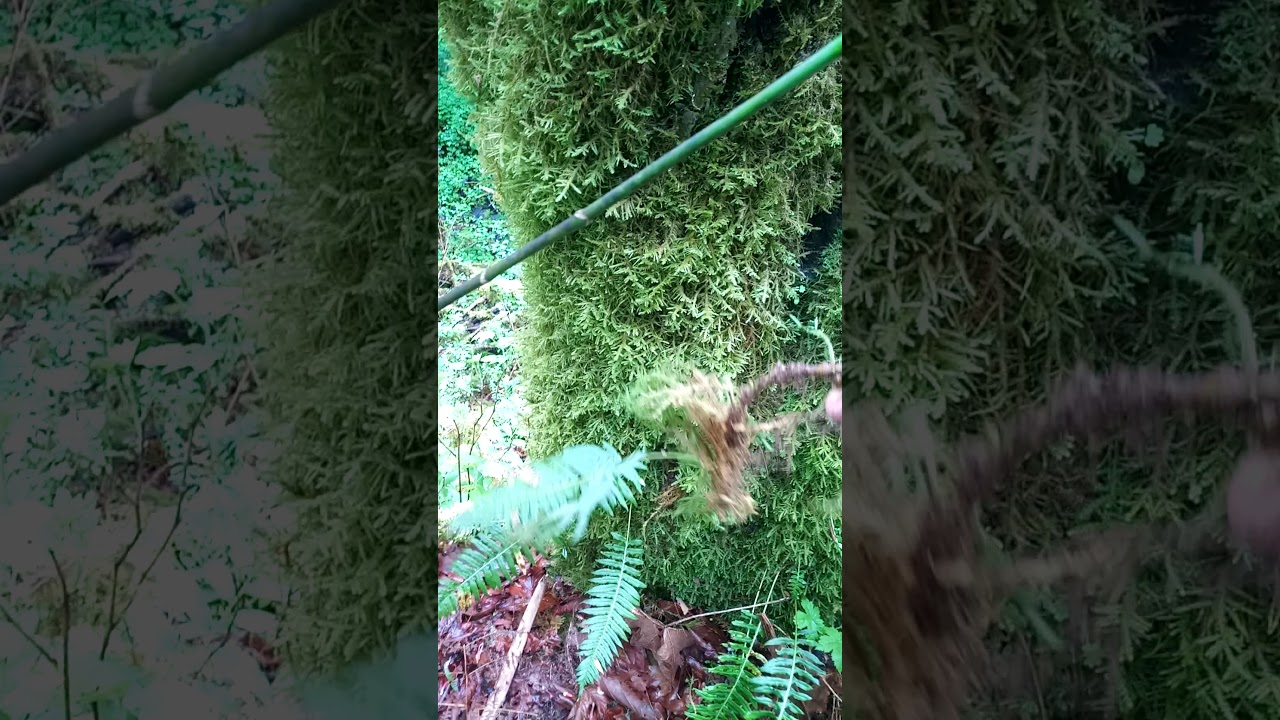
Licorice Fern or Licorice root fern or sweet root
Latin name: Polypodium glycyrrhiza
Family: Polypodiaceae (Polypody Fern Family)
Medicinal use of Licorice Fern:
This is to be used as short-term treatment of sore throat, cough and most viral infections. Use in connection with vitamin supplements. Used by West coast North American Indian tribes especially as a treatment for a variety of chest complaints. It is little, if at all, used in modern herbalism. The rhizomes are alterative, carminative, haemostatic and pectoral. The raw rhizomes have been eaten, or an infusion has been used, in the treatment of coughs and colds, chest pains, shortness of breath and VD. The roots have been chewed, and the juice swallowed, as a treatment for sore throats and the spitting or vomiting of blood. A tea of the pounded boiled rhizomes, mixed with fir needles, has been used to treat measles. Coughs have been treated by chewing and slowly swallowing the juice of the roasted rhizome. The roots have been used in the treatment of colds and sore throats.
Description:
Single swords, 6 to 18 inches growing from connected Roots that cling to bark of trees or sometimes rocks
Habitat:
Mossy tree trunks and branches, logs, rocks etc, damp, shady valleys and shapes in Pacific coast up to 2500ft
Edible parts of Licorice Fern:
Root – raw or cooked The root is sweetly liquorice-flavoured but is thin and fibrous and virtually inedible. The root was commonly chewed for its very pleasant flavour by many native North American Indian tribes. It was often used as an appetiser, especially for children who would not eat. Apart from its used as a pleasantly flavoured chew, it was seen as a famine food and was only used when there was a shortage of better foods.
Propagation of the herb:
Spores – best sown as soon as ripe on the surface of a humus-rich sterilized soil. Keep the compost moist, preferably by putting a plastic bag over the pot. Pot on small clumps of plantlets as soon as they are large enough to handle and keep humid until they are well established. Do not plant outside until the ferns are at least 2 years old and then only in a very well sheltered position. Division in spring.
Known hazards of Polypodium glycyrrhiza:
Although we have found no reports of toxicity for this species, a number of ferns contain carcinogens so some caution is advisable. Many ferns also contain thiaminase, an enzyme that robs the body of its vitamin B complex. In small quantities this enzyme will do no harm to people eating an adequate diet that is rich in vitamin B, though large quantities can cause severe health problems. The enzyme is destroyed by heat or thorough drying, so cookin