Key Takeaways:
Sally Beauty is expanding Rooted in Success into a 13-campus HBCU tour to deepen engagement with Gen Z consumers.The initiative reinforces the retailer’s long-standing positioning in textured hair through a curated mix of owned and partner brands.Peer-led campus activations are replacing traditional pop-ups to drive authentic discovery and brand loyalty.
As beauty retailers compete for relevance among younger consumers, experiential marketing has become an increasingly important tool for brand engagement. For Sally Beauty Holdings, that strategy is taking shape through Rooted in Success, a community-focused platform evolving into a multicampus initiative to reach the next generation of beauty consumers.
Originally launched in 2024, the campaign has expanded significantly. In 2026, Rooted in Success will take the form of a 13-campus tour of Historically Black Colleges and Universities (HBCUs), bringing education, product discovery, and cultural programming directly to students. Jeff Giordano, Senior Director of Marketing and Media Strategy at Sally Beauty, said the initiative indicates a broader commitment to community engagement embedded within the retailer’s brand identity.
“Community is a core pillar of Sally Beauty. It’s fundamental to who we are and how we show up for our customers. Rooted in Success is an expression of that,” Giordano explained to BeautyMatter. “It is a purpose-driven platform showcasing Sally Beauty’s commitment to inclusion and building deeper connections with our core communities, including LGBTQIA+ individuals, Black women leaders at HBCUs, and the Latinx community.”
He also added that the initiative is designed to create experiences that bring these communities together through beauty and creativity. “Through [this] campaign, Sally Beauty creates an impactful event series that celebrates individuality and unites communities to inspire a more colorful, confident, and welcoming world,” he said.
Building Momentum Across Cultural Moments
While the campaign carries strong cultural and community messaging, it is also closely tied to Sally Beauty’s broader business strategy. According to Giordano, Rooted in Success plays a key role in driving customer discovery and reinforcing the retailer’s positioning as a specialty beauty destination. “The program’s expansion into a 13-campus HBCU tour reflects our commitment to scaling the program thoughtfully and consistently,” he said.
Rather than operating as a series of standalone events, the campaign functions as a cross-channel marketing platform that integrates retail, education, and community engagement. “The campaign [is] designed to build community, celebrate inclusion and creativity, and reinforce Sally Beauty’s leadership across hair color, haircare, and nails,” Giordano said. “By showing up through education, real-time product discovery, and authentic cultural connection, we strengthen long-term loyalty as a specialty beauty destination.”
Since its launch, the campaign has steadily expanded, reaching multiple communities and achieving cultural milestones throughout the year. The first year included pop-ups near HBCU campuses in Atlanta and Washington, DC, timed around Black History Month and extending through Women’s History Month. These events included professional headshot sessions, networking opportunities, and panel discussions featuring Black founders.
Beyond HBCU activations, the campaign has also expanded to other communities. In 2024, Sally Beauty hosted a three-day Pride pop-up event in New York City, and later celebrated Hispanic Heritage Month with a Wynwood mural collaboration and product trials of Hispanic-owned brands in Miami.
By 2025, the retailer had scaled the program to six HBCU campuses and five Pride events. “To date, Rooted in Success events have reached over 28,000 consumers,” Giordano said. The 2026 tour builds on that momentum by deepening the company’s presence in HBCU communities and spaces where culture, self-expression, and beauty drive real influence.
For Sally Beauty, the decision to center the initiative around HBCUs represents both cultural significance and industry influence. The approach also signifies a growing recognition that younger consumers increasingly expect brands to show up in culturally relevant spaces rather than relying solely on traditional retail marketing.
Moving Beyond Traditional Pop-Ups
A key component of the HBCU tour is its emphasis on peer-led engagement rather than brand-driven marketing. Instead of staging standard retail activations, Sally Beauty is partnering with Impressions of Beauty, a community organization focused on empowering students in the beauty industry. “We are partnering with [them] for the second year in a row to ensure our Rooted in Success HBCU student programming is community-led rather than brand-led,” Giordano emphasized.
Instead of bringing in a traditional pop-up, trusted student leaders on each campus will act as ambassadors, helping shape the programming and ensure it resonates authentically with their peers. “[This will] create authentic, peer-to-peer engagement that feels culturally relevant and truly embedded in each unique university community.” This peer-driven model also mirrors the broader shifts in Gen Z marketing, where authenticity and community credibility often carry more weight than traditional brand messaging.
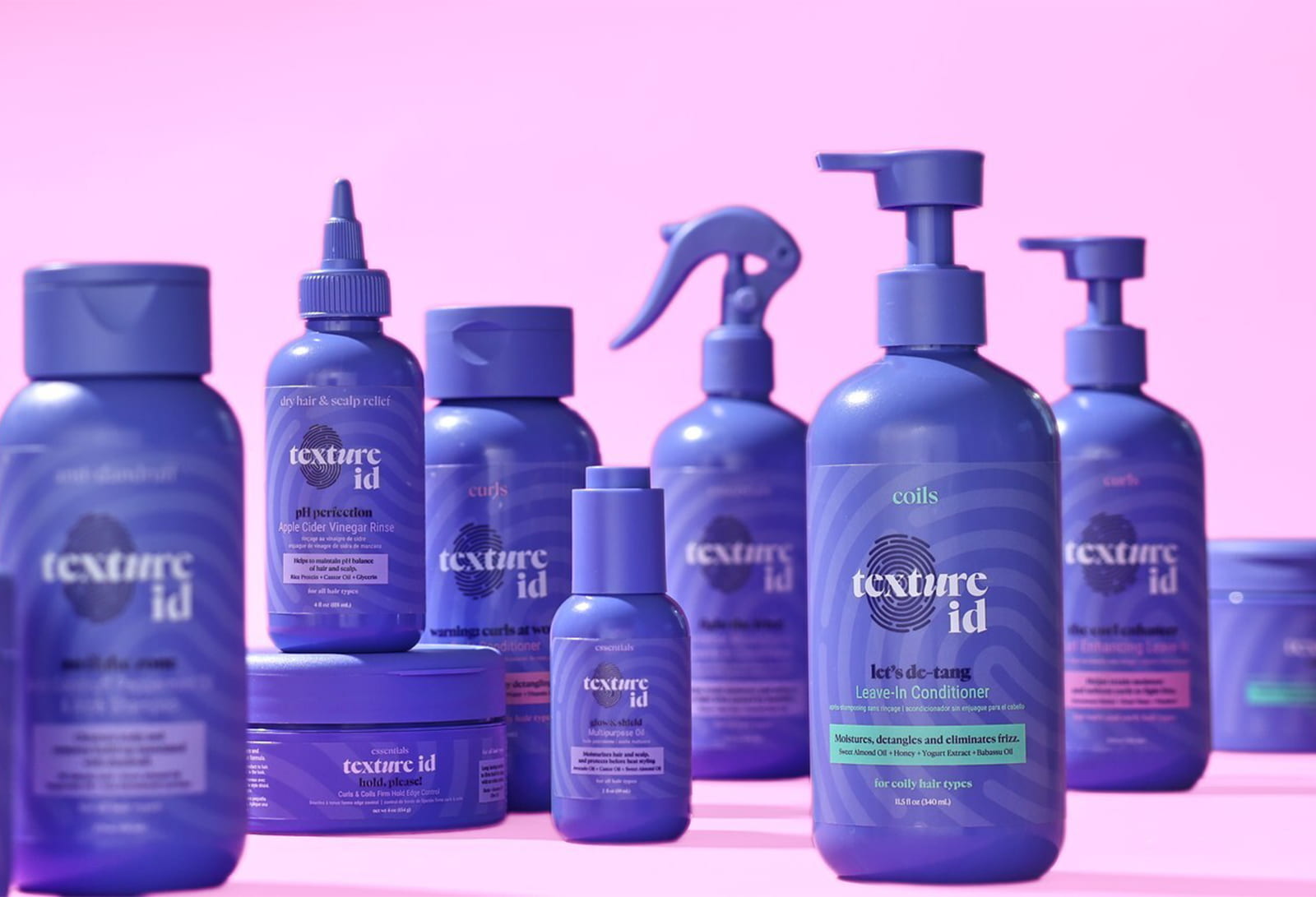
Another central component of the tour is product discovery. Sally Beauty has curated a mix of exclusive and nationally recognized brands to appeal to consumers with textured hair. The lineup includes Sally Beauty’s own brands, such as Texture ID and Silk Elements, alongside established brands like Cantu, Camille Rose Naturals, and The Doux.
“Our brand partners play a critical role in bringing the tour to life,” Giordano said. “We’ve curated a mix of brands consumers can only find at Sally Beauty and fan-favorite national brands that resonate with textured hair consumers.” The broader lineup also includes brands such as African Pride, Design Essentials, EBIN, Kaleidoscope, Made for Locs, Mielle, TGIN, and Uncle Funky’s Daughter.
According to Giordano, the selection process was driven by both product expertise and consumer relevance. “We are proud to highlight brands and products that serve the needs of each curl type while also reflecting the diversity and creativity of the community,” he said. “In partnership with our merchandising team, we curated a mix of professional-quality products that will excite consumers and provide solutions to their hair goals.”
Competing in the Textured Hair Market
As retailers, including Ulta Beauty and Sephora, increase their focus on multicultural beauty categories, Sally Beauty is positioning its long history in the textured hair market as a competitive advantage.
“What sets Sally Beauty apart is our expertise and deep-rooted knowledge in textured hair—built over 60+ years,” Giordano said. “While others are entering this space, we’ve been here, and that experience is reflected in every customer interaction.” In stores, trained associates provide personalized guidance for customers across curl types, while the retailer’s assortment includes both exclusive and widely recognized brands.
Sally Beauty also extends that expertise through digital channels and education initiatives, including partnerships with industry professionals and trusted voices like Sally Expert Monae Everett, a celebrity stylist and trusted textured haircare expert who helps customers navigate their hair journey with confidence.
While the campaign continues to expand in the US, Sally Beauty’s immediate focus remains domestic. “Currently, our focus is on expanding impact here in the US,” Giordano revealed when asked about potential international expansion.
For now, the 13-campus HBCU tour represents the next step in the retailer’s strategy to blend community engagement, education, and product discovery, while strengthening its position in the textured hair market.