Inaccurate social media posts about attention deficit hyperactivity disorder (ADHD) and autism have been linked to a rise in young people believing they have neurodevelopmental conditions, an expert has said after a study highlighted the levels of misinformation online.
Researchers say their findings present a “clear need for action” for more high-quality information to be shared on social media and “strengthened content moderation”.
Experts from the UK’s University of East Anglia (UEA) and Norfolk and Suffolk NHS Foundation Trust set out to examine the quality of mental health and neurodivergence information on social media by reviewing all relevant studies on the topic relating to posts on YouTube, TikTok, Facebook, Instagram and X.
They included 27 studies concerning 5,057 social media posts.
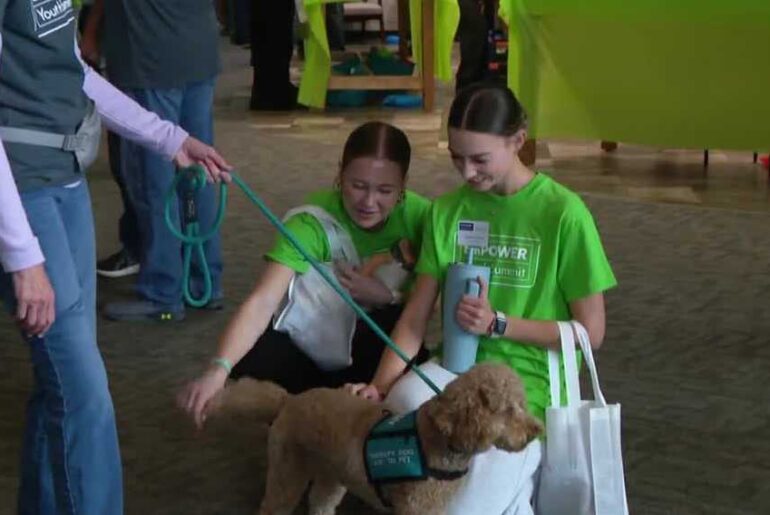
 Inaccurate posts online about attention deficit hyperactivity disorder and autism have been linked to a rise in people believing they have neurodevelopmental conditions. Photo: dpa
The rate of misinformation ranged from 0 per cent for videos analysed on anxiety and depression from YouTube Kids to 56.9 per cent for claustrophobia videos on YouTube, the authors wrote in the Journal of Social Media Research.