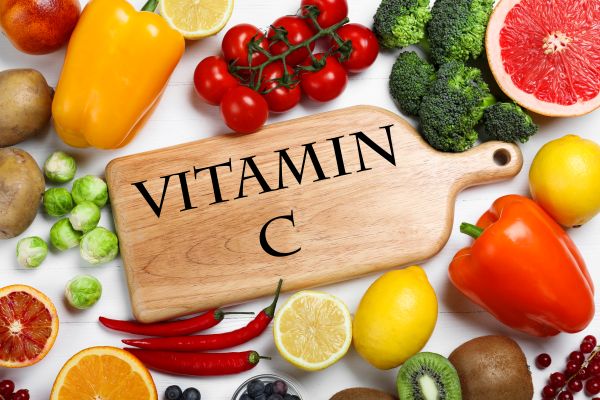
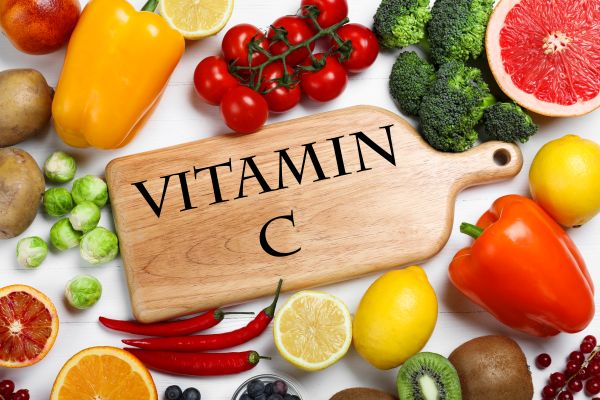
Vitamin C has been regarded as a cure-all for various diseases, but scientific evidence appears insufficient. [Photo: Shutterstock]
[DigitalToday AI Reporter] Vitamin C is claimed to help prevent colds or reduce the risk of cardiovascular disease and cancer, but scientific evidence is not sufficient.
On March 23 (local time), online outlet Gigazine reported that Neil White (닐 휘트), a professor in the Faculty of Science at Macquarie University in Australia, explained the effects of vitamin C. He said vitamin C is a powerful antioxidant that prevents cell damage, supports immune function, helps iron absorption and promotes wound healing. He added that it is essential for collagen synthesis, and deficiency can cause scurvy, leading to tooth loss and bleeding of the skin and mucous membranes.
Humans cannot synthesise vitamin C on their own and must consume it through foods such as vegetables, fruit and juice. Actual sources are about 40 percent from vegetables, about 19 percent from fruit and about 29 percent from juice. Vitamin C supplements and vitamin C in foods are chemically identical, but foods contain fibre, flavonoids, vitamins and minerals that can produce a synergistic effect.
A 2013 study found that regularly consuming 200 milligrams (mg) or more of vitamin C a day did not reduce the incidence of colds. Regular intake may shorten the duration of colds, and high doses of 1,000 mg or more may help ease symptoms somewhat. But taking it at the early stage of a cold had no effect.
Its effect in preventing cardiovascular disease is also unclear. A 2017 study found that vitamin C supplements did not reduce the risk of heart attack, stroke or angina. Some studies suggest that taking 200 mg or more a day may slightly lower blood pressure, but that is similar to aerobic exercise and does not match drug treatment.
Its cancer-prevention effect has also not been proven. Multiple studies found vitamin C was not effective in preventing stomach, lung, breast, prostate or colorectal cancer.
The recommended daily intake for adults is 100 mg, and the upper limit is 2,000 mg. Excess intake can cause diarrhoea and nausea, and men in particular may face an increased risk of kidney stones.
White advised, “For most people, vitamin C supplements are not necessary. You can get enough through a balanced diet.”