Researchers from Nestlé Research in Switzerland and the University of the Philippines were building on previous research suggesting that higher glutathione (GSH) levels are associated with improved, more consistent performance in effortful tasks.
They initially conducted a laboratory experiment demonstrating that taurine could increase GSH, but only when vitamin B9 was adequate.
The results of the subsequent human trial “demonstrate how targeted nutritional supplementation can sustain brain health and modulate behaviors, such as motivated and goal-oriented performance,” they wrote in Frontiers in Nutrition.
The physiology of motivation
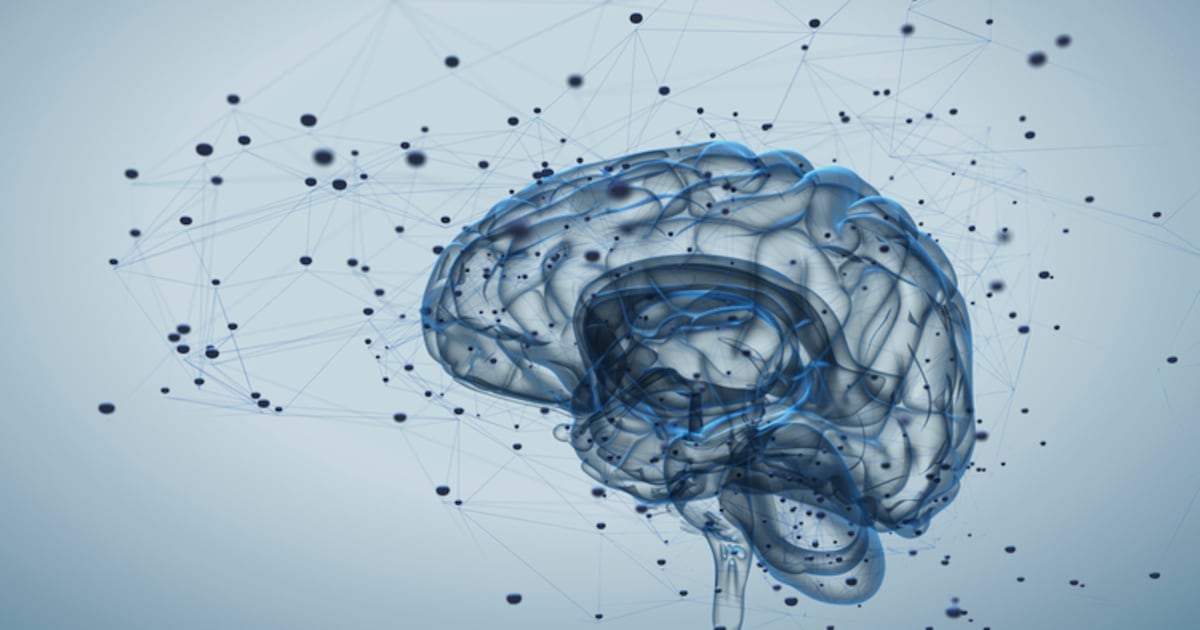
Areas of the brain, such as the prefrontal cortex and nucleus accumbens, are key in decision-making and motivational behaviors. Research suggests that GSH may protect these areas of the brain from stress and support incentivized effort, due to its powerful antioxidant capabilities.
Taurine, an amino acid found in animal foods such as meat, fish, and eggs and synthesized in the body from cysteine, is essential for GSH production. B vitamins, including B6, B9, and B12, are also required as cofactors.
Therefore, nutritional deficiencies in these nutrients may impair both physical and mental health and affect the physiological functions that determine behaviors such as motivation and performance.
Study details
The study, funded by Société des Produits Nestlé, explored how nutrients can modulate GSH production using in vitro methods on rat nervous system cells. The results from this test revealed that “when B9 levels are insufficient—an occurrence frequently observed in the population—taurine alone does not effectively elevate GSH levels. However, when vitamin B9 is supplemented, taurine demonstrates significant efficacy”.
They then randomly assigned 45 healthy adults aged 25–40 years to receive a daily supplement containing 500 mg taurine, 1.3 mg vitamin B6, 0.2 mg vitamin B9 and 2.4 mcg vitamin B12, or a placebo. The crossover study design involved participants taking the intervention/placebo for 28 days, then a 4-week washout period before switching over.
An initial blood draw revealed nutrient inadequacies at baseline, particularly for taurine and B9. Following the intervention, all the B vitamins were increased.
The researchers used tests to evaluate motivated and attentional performance, perceived workload, mood, fatigue, and vigor.
They reported: “a significant improvement in the performance in the active group compared to the placebo in the incentivized trials at 14 days after baseline.”
There were also positive effects on sustained attention in the supplement group, but no significant effects on perceived workload, mood, fatigue, or vigor. However, the researchers noted that the participants didn’t show fatigue issues at enrollment, so the results should be interpreted cautiously.
They called for brain-imaging approaches in future studies to quantify GSH and strengthen mechanistic understanding.
Frontiers in Nutrition; doi:10.3389/fnut.2026.1711478; “A nutritional blend of taurine, vitamins B6, B9, and B12 improves motivated behaviors in healthy adults—a double-blinded randomized clinical trial.” Authors: V. M. Anlacan et al.