Nunavummiut’s changing diets away from country food and towards store bought products, as a result of colonization, has created negative health affects, according to Tanat Whalen, community nutrition specialist with the territorial Department of Health.
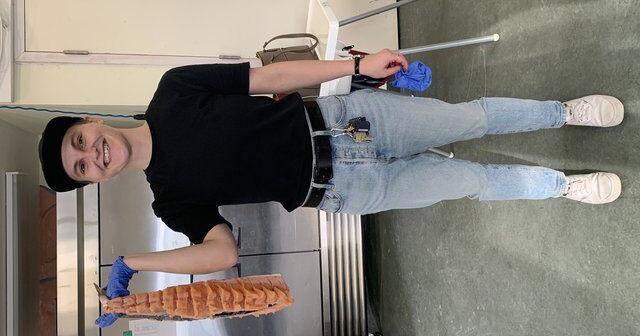
Whalen, who has worked with as a nutritionist with Government of Nunavut in Rankin Inlet and Iqaluit for two years, said they’re a settler who has learned about Nunavummiut health and wellness from generous Inuit educators.
“Over the past century, colonization has dramatically changed what and how Nunavummiut eat. This transition has really shifted people away from country foods and towards store bought foods,” Whalen said.
“And these changes have contributed to rising rates of chronic conditions, including diabetes. Another example is that vitamin D deficiency and rickets are also more common today.”
Rickets is a disorder caused by severe vitamin D deficiency, resulting in soft and weak bones in children.
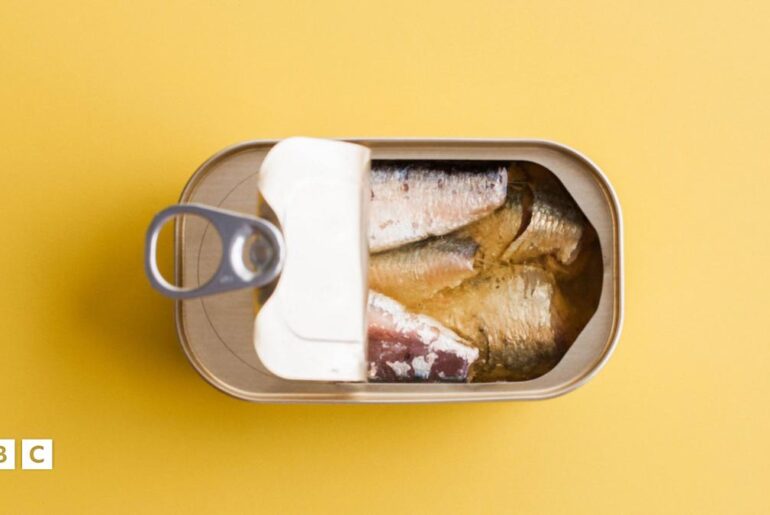
Fish, liver and eggs provided vitamin D in traditional diets, Whalen noted.
Nunavummiut experience vitamin D deficiency due to fewer months of sunlight and a change in diet away from traditional food and towards foods from grocery stores, according to Whalen.
“Inuit have the right and the expertise to determine their own food systems. This is really the heart of food sovereignty. Inuit are already doing and leading this work across the territory, but continued support is really what’s essential,” Whalen said.
Food sovereignty workshops at Qajuqturvik Community Food Centre have included pitti-making (dried char) and seal butchering, supported by the GN, according to Whalen.
One of the barriers to food security in Nunavut is hunting and fishing not being recognized as professions, they said.
Country food can be difficult for Nunavummiut to obtain, Whalen said, because of challenges accessing equipment, the cost of fuel and historical disruptions to the traditional way of life.
“There have been many disruptions in the transfer of traditional knowledge about the local food system, and this really stems from the impacts of colonization — things like residential schools, family separations and the overall devaluation of Inuit knowledge, which has really affected how harvesting skills have been passed down through the generations,” Whalen said.
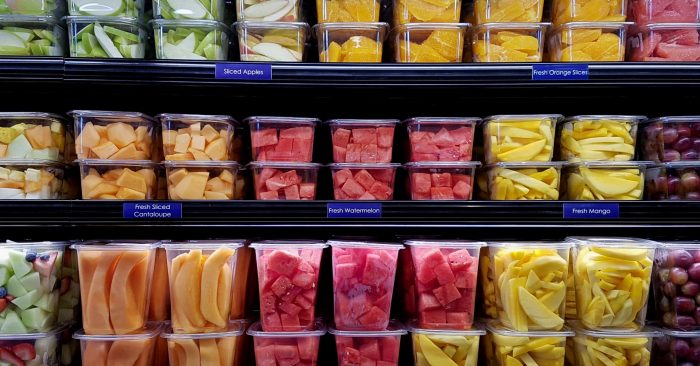
Grocery store prices are higher in Nunavut than most places in Canada, making high-quality nutrition even harder to procure.
But Whalen offered a tip on how to increase iron intake, as anemia, or iron deficiency, is common in Nunavut.
“Getting iron from animal sources can be expensive sometimes,” Whalen said.
However, adding a small piece of meat to an inexpensive bean chilli, for example, increases how much iron one gets from the meal.
“If you add a little bit of that animal iron, it actually helps you absorb the plant-based iron better,” Whalen said.