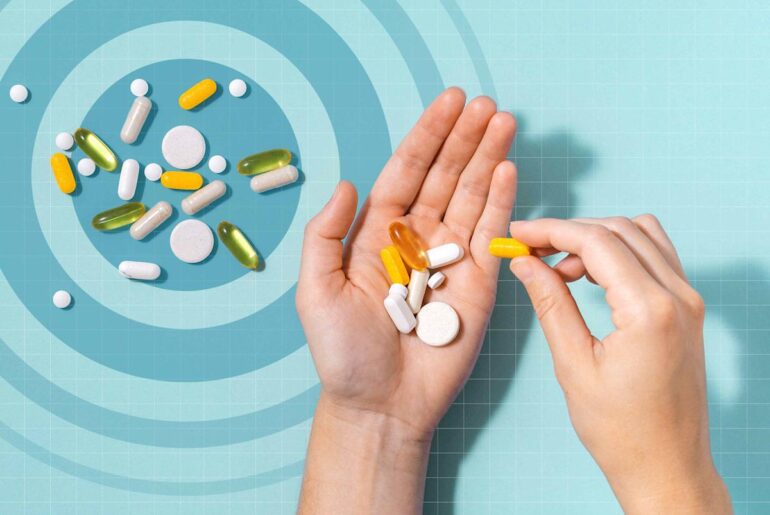
World Tuberculosis Day is observed annually on March 24 to raise awareness among the population about one of the deadliest infectious diseases, tuberculosis (TB). Despite medical advancements, TB continues to affect millions globally, making awareness and prevention more important than ever. This health event brings together government and non-government organisations to strengthen strategies to end the global TB epidemic.
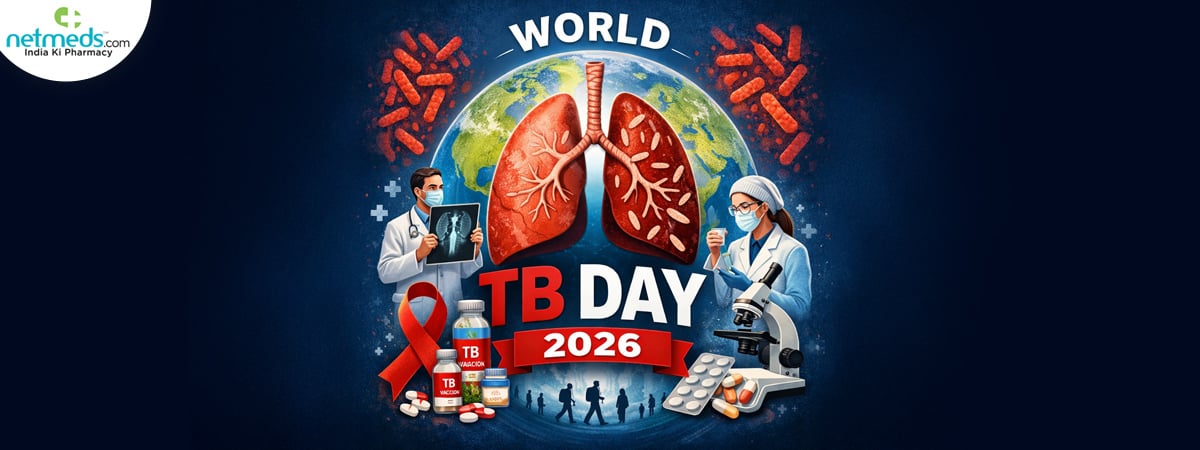 What is World Tuberculosis Day?
This health day commemorates the discovery of the bacteria responsible for TB infection in 1882. This revolution laid the foundation for the appropriate diagnosis and treatment of TB, saving countless lives over the years.
Also Read: World Tuberculosis Day 2025: Theme, Importance And 5 Best Yoga Poses To Boost Lung Health
The theme for this year is “Yes! We can end TB! Led by countries. Powered by people.” This health event, initiated by the World Health Organisation, aims to encourage local, national, and international policymakers to take the necessary action to turn the tide on the TB epidemic by increasing investment and community leadership to eradicate this infectious disease.
Significance of World TB Day
World TB Day plays a critical role in public health awareness. It reminds us that TB remains a major global crisis that requires sustained attention.
Fosters awareness about TB symptoms and prevention.
Encourages prompt diagnosis and timely access to treatment for all.
Emphasises the need to build stronger healthcare systems.
Eliminate social stigma associated with TB.
Promotes global initiative to eradicate TB by 2030.
Even today, TB remains one of the leading lethal infections worldwide, making awareness campaigns essential.
What Are the Causes, and How Is Tuberculosis Transmitted?
Tuberculosis spreads through the air and is transmitted from person to person. This fatal disease spreads when a person with active TB releases infectious droplets into the air through coughs, sneezes, or talking. The droplets contain Mycobacterium tuberculosis bacteria and remain suspended for several hours.
TB affecting organs other than the lungs is usually not contagious, as the bacteria are not released into the air. For example, TB of the lymph nodes, bones, or digestive system cannot spread via air droplets.
People who spend a long time in close contact with someone with active pulmonary TB are at a higher risk of infection, including family members, healthcare workers and those sharing living spaces.
Multiple factors increase the likelihood of developing TB, which include:
People with compromised immune systems are highly vulnerable to developing active TB disease, like
People living with HIV/AIDS
People on immunosuppressive medications
Patients with severe malnutrition deficiency
Uncontrolled diabetes can significantly increase TB risk, with diabetes linked to 3.2 lakh cases in India in 2024. Blood sugar control is important in TB prevention.
Malnutrition is the leading risk factor for TB, contributing to about 40% of cases. Poor nutritional status weakens the immunity and increases susceptibility to TB.
Chronic conditions such as kidney disease, chronic lung disease, and other chronic conditions increase TB risk.
Children under 5 years of age have a higher risk of severe TB disease. Elderly individuals also face increased TB risk.
Chronic alcohol and drug use greatly increases the risk of TB by suppressing the immune system.
5 Powerful Supplements to Support TB Recovery
Proper medical therapy with antibiotics, adequate nutritional support, and appropriate supplements play an important role in recovery and in building a robust immune system in TB patients.
Vitamin D
Vitamin D is a key nutrient that supports the immune system and may help the body combat infections. Most patients are found to have low levels of this vitamin. Supplementing with vitamin D helps speed recovery and keep infections at bay.
Vitamin C
Vitamin C acts as a potent antioxidant that combats oxidative stress and prevents free radical damage. It helps reduce inflammation, promotes faster healing, and strengthens immunity.
Zinc
Zinc is a vital trace mineral that strengthens immune function. It helps the body fight infections more effectively and supports recovery.
Also Read: Zinc Supplements: Invest Right Now For These Uses and Health Benefits
Iron
Most TB patients may be anaemic; in such cases, supplementing with iron (if prescribed by your healthcare provider) may help improve energy and oxygen levels in the body.
Protein Supplements
Protein is an essential macronutrient needed for growth, tissue repair, and muscle maintenance. Including protein-rich foods such as eggs, pulses, dairy, or supplements can aid recovery and help regain lost weight.
Remember that supplements alone cannot completely cure tuberculosis. Proper medical therapy, such as anti-tubercular therapy (ATT), is essential, and it must be followed strictly as prescribed by a healthcare professional.
Conclusion
World Tuberculosis Day is a call to action for policymakers and healthcare professionals to unite to eradicate TB. With awareness, early diagnosis, appropriate treatment and good nutrition, TB can be effectively managed and eventually eliminated. TB is preventable and treatable, and together, we can make a difference in eliminating it from our world.
References:
https://www.who.int/campaigns/world-tb-day
https://www.paho.org/en/campaigns/world-tuberculosis-day-2026
Nutritional supplements for people being treated for active tuberculosis
Liesl Grobler 1, Sukrti Nagpal 2, Thambu D Sudarsanam 3, David Sinclair
https://pmc.ncbi.nlm.nih.gov/articles/PMC4981643/
Nutritional Supplementation in Tuberculosis Treatment: A Mixed Methods Study of Clinical Outcomes and Patient Perceptions in Jamnagar, India
Viral Shah 1,✉, Yogesh Murugan 2, Shubham S Patel 3, Nidhi S Trivedi 3, Dhiren Pithadiya 4, Naresh Makwana 3, Dipesh Parmar 3
https://pmc.ncbi.nlm.nih.gov/articles/PMC1151272