The rapid mainstreaming of biohacking is reshaping the wellness and beauty landscape – and retailers are racing to keep up. Once the domain of Silicon Valley founders and niche online forums, it has evolved into a lucrative, multi-category retail ecosystem spanning supplements, devices and ritual-driven services. From fringe to front-of-store For years, wellness was defined by optimisation: protein loading, macro tracking, sleep scoring and granular biometric monitoring via wearables. Platform
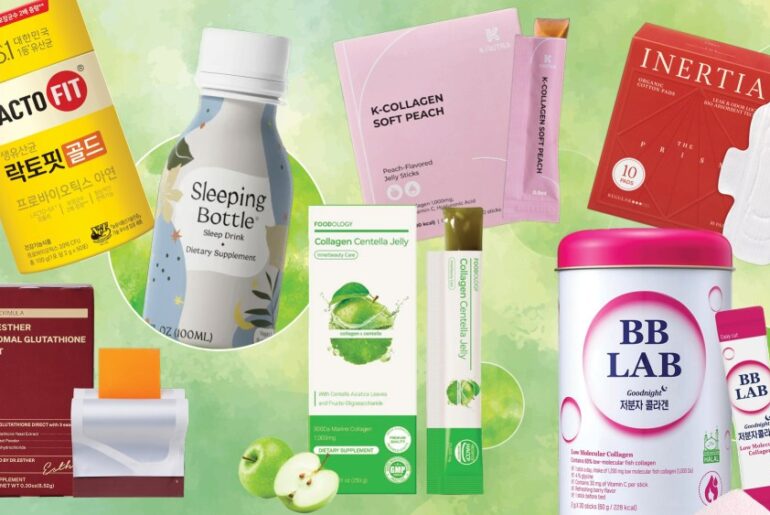
atforms like iHerb have helped make this once-esoteric world accessible, turning biohacking into a mass-market proposition by aggregating thousands of SKUs into a single, searchable “digital apothecary.” Their promise is breadth and safety: 500-plus featured brands, more than 20,000 products, direct sourcing from brands rather than third-party resellers, millions of verified reviews and localised fulfilment and support for markets like Australia.
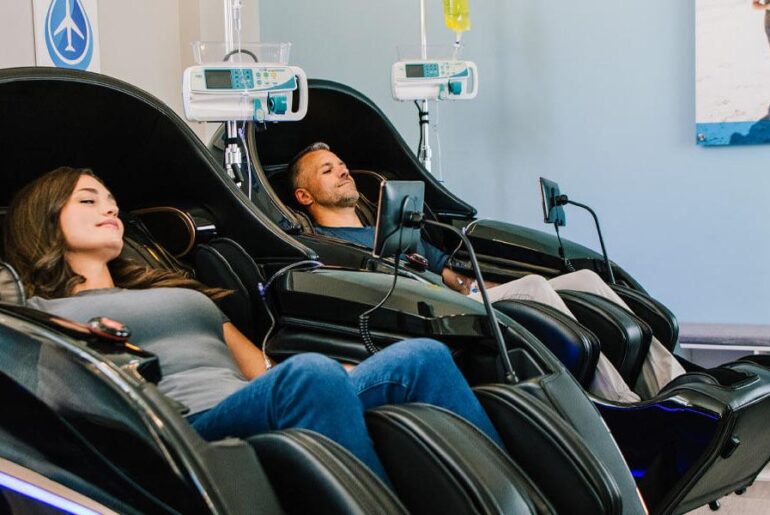
At the same time, high-profile “superhackers” such as Blueprint founder Bryan Johnson and Bulletproof founder Dave Asprey have pushed extreme routines into public consciousness. The spectacle of cryotherapy, full-body scans and strict supplementation protocols generates both fascination and scepticism, but crucially, it normalises the idea that biology is something consumers can – and should – actively manage.
The new longevity economy
One of the most important shifts is semantic as much as scientific: the move from “anti-ageing” towards “longevity.” While both ultimately trade on the desire for youthfulness, longevity-focused brands frame their offer around cellular health, energy and lifespan rather than simply wrinkle reduction. This is where compounds like NAD+ and peptides come to the fore, appearing in both ingestibles and topical products that promise “metabolic” or “cellular” beauty.
The numbers suggest this is no passing fad. The global biohacking market was valued at US$24.5 billion in 2024 and is projected to more than quadruple to US$111.3 billion by 2034. Parallel growth in wellness tourism – worth US$651 billion in 2024, with forecast annual expenditure growth of 16.6 per cent through 2027 – points to a consumer who is willing to travel, spend and reorganise their lifestyle around health optimisation. This has implications for retailers well beyond beauty, from grocery to tech and travel.
Retailers as modern apothecaries
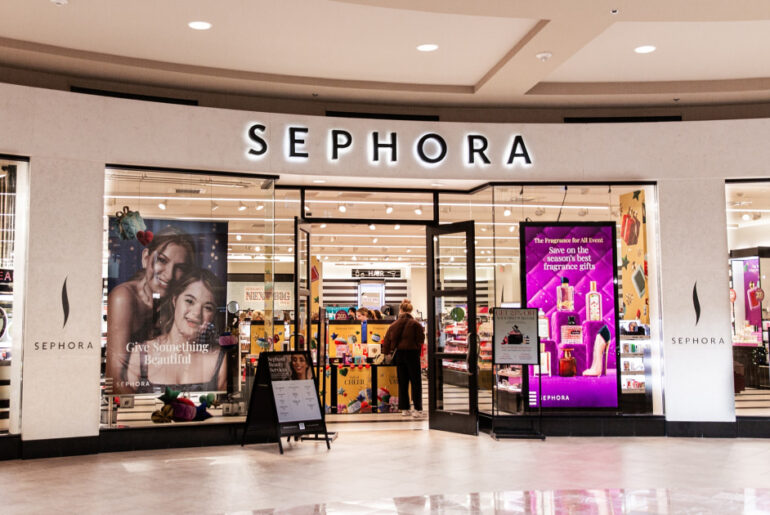
Physical retail is repositioning itself as a gateway into this biohacking mindset. Mecca’s “Apothecary” concept in its 4,000-square-metre Melbourne flagship is a case in point: a 220-square-metre wellness sanctuary that brings together curated brands, services and sensorial experiences. The edit is organised around six “need states” – sleep, calm, sensitised skin, rituals, cycles of life and gut health – making it easier for consumers to navigate a complex category through the lens of problems and life stages rather than ingredients alone.
The product mix is expansive, reaching far beyond classic skincare to teas, tinctures, supplements and powders, functional fragrances and aromatherapy, meditation devices, tongue scrapers, adaptogenic skincare and massage tools. This is biohacking translated into everyday rituals: small, repeated interventions that promise compounding benefits over time. It also signals a blurring of categories, where beauty, pharmacy, tech and even homewares increasingly overlap.
Science, scepticism and the trust gap
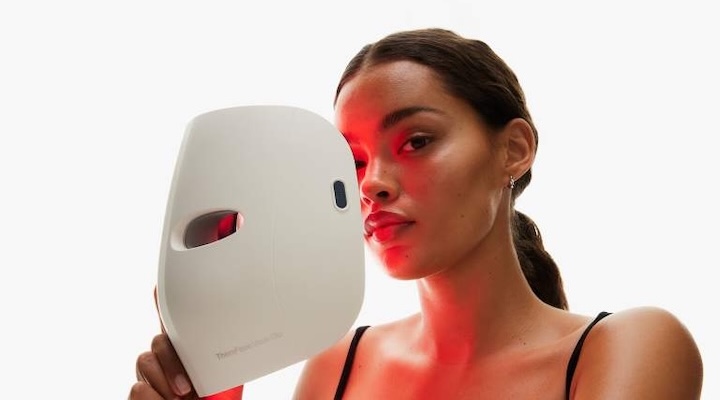
As more brands crowd into the space, science has become both a differentiator and a defensive shield. Wellness tech players like Therabody now promote formal Scientific Advisory Boards, multi-million dollar research pledges and partnerships with institutions such as the American College of Sports Medicine to signal that their massage guns and red light devices are grounded in clinical studies rather than wellness hype.
Other brands are using third-party testing and niche expertise to close the trust gap. Blue light brand Bon Charge highlights independent spectrometer analysis to back its claims that its lenses fully block the melatonin-disrupting wavelengths many competitors only partially filter, while also commissioning and spotlighting sleep-focused research to link its products to measurable improvements in rest. Meanwhile, recovery-tech company Ammortal has appointed a chief medical officer from the longevity world to oversee its six-figure, multi-modality recovery chambers, betting that visible medical leadership can justify premium price points and assuage sceptical consumers.
Collectively, these moves reflect a more educated, more questioning shopper who expects clinical language, published data and clear mechanisms of action, especially when products claim to influence metabolism, hormones or brain function. In a category where misinformation can spread quickly, expert co-signs and transparent research pipelines are becoming as central to brand equity as packaging or influencer strategy.
Self-care as a growth engine
Consumer data suggests this tension will only intensify. According to NielsenIQ, a leading consumer intelligence company, beauty is evolving into a holistic lifestyle category, with wellness and ritual-based products expanding the industry’s value opportunity by more than 60 per cent in 2026. Half of global consumers now say regular self-care is more important than it was five years ago and 44 per cent plan to increase their use of vitamins and supplements in the coming year. Sleep has emerged as a key battleground, with 63 per cent of consumers rating it as more important, fuelling demand for products from pillow mists and silk bedding to sleep-focused ingestibles.
Brands are also pushing into adjacent spaces such as sexual wellness, stress management and immunity, turning “biohacking” from a niche into a broad cultural shorthand for taking control of one’s body and mind. Trend forecasters now position concepts like metabolic beauty and health-integrated cosmetics at the centre of their outlooks – and even language arbiters have taken note, with biohacking recognised as part of the cultural vocabulary.
For retailers, the opportunity and responsibility is clear. Those that can curate intelligently, communicate transparently and ground their offer in both evidence and empathy are well-placed to capture share in the burgeoning biohacking economy. Those that treat it as a quick upsell risk eroding trust in a category where trust is now the most valuable asset of all.
Further reading: How do Bubble and Bansk Beauty manage omnichannel risk?