Abstract
According to the latest IndexBox report on the global Spa Products market, the market enters 2026 with broader demand fundamentals, more disciplined procurement behavior, and a more regionally diversified supply architecture.
The global spa products market is transitioning from a niche luxury segment into a mainstream component of holistic wellness, with demand projected to expand robustly through 2035. This growth is fundamentally supported by the structural shift towards at-home self-care rituals, a trend accelerated by post-pandemic behavioral changes and now sustained by a growing consumer preference for preventative health and sensory well-being. The market encompasses a diverse range of products, from essential oils and bath preparations to targeted skincare and ambient accessories, serving both professional commercial establishments and the rapidly growing retail consumer base. Our analysis to 2035 indicates that success will hinge on aligning with key megatrends: ingredient transparency and clean beauty standards, the integration of technology for personalized experiences, and the rising economic influence of the Asia-Pacific middle class. The competitive landscape is evolving, with established personal care conglomerates, specialized wellness brands, and agile digital-native companies vying for share in a market where distribution, branding, and sustainable sourcing are critical differentiators.
The baseline scenario for the global spa products market through 2035 projects steady, above-GDP growth, underpinned by durable consumer trends rather than cyclical factors. The core assumption is that wellness will remain a high priority for disposable income allocation, particularly among urban populations in both developed and emerging economies. The market will continue its bifurcation: the professional spa and hospitality segment will grow in line with luxury travel and experience spending, demanding high-efficacy, durable products. Concurrently, the home wellness segment will demonstrate higher growth elasticity, driven by the democratization of spa-like experiences through accessible price points and direct-to-consumer marketing. Supply chains will face ongoing pressure to secure sustainable, traceable botanical ingredients, potentially elevating costs for premium natural formulations. Regulatory scrutiny on claims, particularly for ‘therapeutic’ or ‘clinical’ benefits, is expected to intensify, especially in North America and Europe, shaping product development and marketing strategies. Geopolitical and climate-related risks to raw material supply (e.g., essential oils, clays) present a persistent challenge, encouraging investment in synthetic alternatives and regional sourcing. Overall, the market is expected to consolidate around brands that can effectively communicate value, authenticity, and a compelling wellness narrative across digital and physical touchpoints.
Demand Drivers and ConstraintsPrimary Demand DriversPermanent integration of at-home wellness and self-care routines into daily life.Growing consumer awareness and demand for clean, natural, and sustainably sourced ingredients.Rising disposable incomes and wellness expenditure within the expanding Asia-Pacific middle class.Innovation in product formats and delivery systems, such as water-soluble bath oils and tech-enhanced diffusers.Strong growth in the luxury gifting segment, where spa products are positioned as premium experiences.Increasing incorporation of spa amenities by hotels, resorts, and corporate wellness programs for differentiation.Potential Growth ConstraintsVolatility in the cost and supply of key natural raw materials (e.g., lavender, sandalwood) due to climate and geopolitical factors.Intensifying regulatory complexity regarding product claims, safety, and ingredient disclosure across major markets.High level of market fragmentation and intense competition, pressuring margins, especially for small brands.Saturation in certain mature product categories (e.g., basic bath bombs, candles) in developed markets.Counterfeit products and brand dilution in unregulated online marketplaces.Demand Structure by End-Use IndustryHome Wellness & Self-Care (estimated share: 38%)
This segment represents the primary growth engine for the spa products market through 2035. Demand is no longer episodic but embedded in daily routines, with consumers creating ‘spa moments’ at home for stress management and sensory pleasure. The shift is from occasional indulgence to habitual use, driving volume sales of core consumables like bath salts, shower steamers, and face masks. Key demand-side indicators include the growth of DTC wellness brands on social media, subscription box penetration rates, and online search volume for ‘self-care’ and ‘at-home spa’. Through 2035, demand will be further shaped by smart home integration (e.g., app-controlled diffusers) and personalized product recommendations based on mood or biometric data. The segment’s expansion is broadening the demographic profile beyond traditional luxury buyers to include younger, value-conscious consumers seeking affordable wellness solutions. Current trend: High Growth.
Major trends: Democratization of spa experiences through affordable, single-use formats and kits, Rise of ‘functional fragrance’ and aromatherapy for sleep, focus, and energy management, Blurring lines between skincare and spa, with clinical-grade actives entering home massage oils and masks, Growth of male-focused wellness products, moving beyond traditional aftershave, and Integration with digital wellness platforms offering guided meditation or bath rituals.
Representative participants: Bath & Body Works, Caudalie, Aromatherapy Associates, Neom Organics, Homesick, and HoMedics.
Professional Spa & Salon (estimated share: 25%)
The professional segment demands products with proven efficacy, durability, and treatment-specific functionality. Growth is tied directly to the footfall and average spend in destination spas, day spas, and salons offering add-on services. Demand is less about novelty and more about performance, brand reputation for therapists, and cost-in-use. Key indicators include global tourism recovery rates, luxury hospitality investment, and professional certification trends. Through 2035, demand will evolve as spas increasingly position themselves as holistic wellness centers, requiring products that support new service modalities like sound therapy or cryotherapy. There is a growing expectation for B2B suppliers to provide comprehensive training and back-bar equipment, making the relationship more partnership-oriented. Sustainability credentials and bulk, refillable formats are becoming critical purchasing criteria for professional buyers aiming to reduce operational waste. Current trend: Steady Growth.
Major trends: Adoption of professional-grade, device-compatible serums and masks for enhanced treatment results, Increasing demand for organic and ‘clean’ product lines to meet client expectations, Growth of medical spas (medspas) driving demand for products with stronger active ingredients and clinical backing, Rise of rental/refill models for high-volume consumables like massage lotions and body scrubs, and Custom-blending of aromatherapy oils on-site for personalized client treatments.
Representative participants: Aveda, L’Occitane, Eminence Organic Skin Care, Comfort Zone, Germaine de Capuccini, and Biologique Recherche.
Hotel & Resort Amenities (estimated share: 18%)
For hotels and resorts, spa products are a key tool for brand differentiation and enhancing the perceived value of a stay. Demand is driven by the competitive landscape in luxury and boutique hospitality, where unique, locally-inspired, or branded amenities create memorable guest experiences. The segment purchases in large volumes, with a focus on cohesive branding, packaging durability, and scent profiles that define the property’s identity. Key demand indicators include global RevPAR (Revenue Per Available Room) for luxury hotels, new resort development, and consumer reviews highlighting amenity quality. Through 2035, demand will be shaped by a shift away from single-use plastics, favoring larger, refillable dispensers with premium formulations. There is also a growing trend towards offering in-room retail, allowing guests to purchase full-sized versions of the products they enjoyed, turning an operational cost into a potential revenue stream. Current trend: Moderate Growth.
Major trends: Shift to sustainable, bulk-fill amenity systems to meet ESG goals and reduce plastic waste, Collaborations with niche wellness brands to create exclusive, location-specific product lines, Expansion of spa-like bathrooms in standard rooms, increasing per-room product placement, Integration of aromatherapy into hotel HVAC systems or via in-room diffusers as a premium offering, and Focus on ‘sleep tourism’ driving demand for amenities promoting relaxation and rest, like pillow mists and bath oils.
Representative participants: L’Occitane, Caudalie, Bulgari Hotels (own brand), Shangri-La Group (own brand), The White Company, and REN Clean Skincare.
Luxury & Premium Gifting (estimated share: 12%)
Spa products are a perennial favorite in the gifting sector, valued for their universal appeal, sensory pleasure, and association with pampering. Demand in this segment is highly seasonal (holidays, Mother’s Day) and occasion-driven (corporate gifts, weddings). The key purchase driver is not the product’s functional efficacy alone, but the totality of the unboxing experience: premium packaging, cohesive curation, and perceived luxury. Demand-side indicators include holiday retail sales data, corporate gifting budgets, and the growth of premium subscription and curated gift box services. Through 2035, demand will be sustained but may face competition from experiential gifting. Success will depend on creating limited-edition sets, incorporating personalization (e.g., monogramming), and leveraging storytelling around ingredients and provenance to justify premium price points for what are often commodity items in other channels. Current trend: Stable.
Major trends: Rise of curated wellness gift boxes and subscription services for corporate and personal gifting, Demand for personalization, from custom scent blending to engraved packaging, Growing popularity of ‘his and hers’ or gender-neutral wellness sets, Emphasis on locally-sourced, artisanal products in gift sets to convey authenticity, and Collaborations between spa brands and luxury fashion or jewelry houses for co-branded sets.
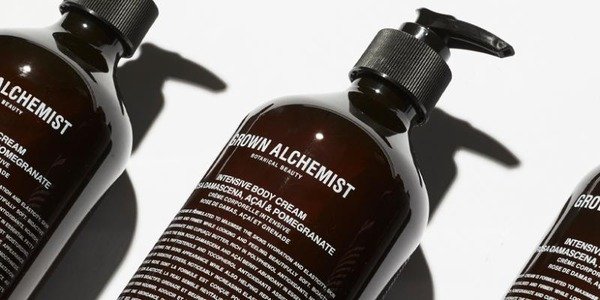
Representative participants: The Estée Lauder Companies (Kiehl’s, etc.), L’Occitane, Coty (Philosophy, etc.), Jo Malone London, Diptyque, and Grown Alchemist.
Medical & Therapeutic Spas (estimated share: 7%)
This high-value niche segment bridges clinical skincare and traditional spa relaxation. Demand is driven by the rapid expansion of medspas offering services like chemical peels, laser treatments, and non-invasive body contouring. Products here are considered part of the treatment protocol, often recommended for post-procedure care or long-term skin health maintenance. Demand is less price-sensitive and heavily reliant on clinical validation, ingredient purity, and compatibility with professional devices. Key indicators include the number of licensed medical directors partnering with spas, regulatory approvals for device-adjacent products, and consumer spending on non-surgical cosmetic procedures. Through 2035, demand will accelerate as the lines between dermatology and wellness continue to blur. Products will need to feature advanced actives (e.g., peptides, growth factors), have airless or sterile packaging, and be supported by robust training for practitioners on their integrative use. Current trend: High Growth.
Major trends: Convergence of cosmeceutical ingredients with spa product formats (e.g., peptide-infused body creams), Increased demand for post-procedure specific kits for redness reduction, hydration, and barrier repair, Growth of prescription-strength retail products sold exclusively through medical spa channels, Focus on evidence-based results, requiring brands to invest in clinical trials for their claims, and Rise of ‘results-driven’ aromatherapy for managing treatment-related anxiety or enhancing recovery.
Representative participants: SkinCeuticals (L’Oréal), ZO Skin Health, Obagi Medical, iS Clinical, Image Skincare, and AlumierMD.
Key Market Participants
Interactive table based on the Store Companies dataset for this report.
Sort: Rank
Sort: Company A-Z
Sort: Headquarters A-Z
#
Company
Headquarters
Focus
Scale
Note
1
L’Oréal
Clichy, France
Luxury skincare & spa brands
Global
Owns Biotherm, Kiehl’s, La Roche-Posay
2
Estée Lauder Companies
New York, USA
Premium skincare & spa brands
Global
Owns Clinique, La Mer, Aveda
3
L’Occitane en Provence
Geneva, Switzerland
Natural beauty & spa products
Global
Strong retail spa presence
4
Caudalie
Bordeaux, France
Vinotherapy-based skincare
Global
Luxury spa & retail products
5
Eminence Organic Skin Care
Vancouver, Canada
Organic facial spa products
Global
Professional spa channel leader
6
Guinot
Paris, France
Professional facial treatments
Global
Major salon/spa brand
7
Comfort Zone
Parma, Italy
Holistic professional skincare
Global
High-end spa staple
8
Dermalogica
Carson, USA
Professional skin therapy
Global
Education-focused, salon/spa
9
Elemis
London, UK
Luxury professional skincare
Global
Strong in spas & retail
10
Pevonia
Palm City, USA
Professional spa skincare
Global
Specialized treatment lines
11
Babor
Aachen, Germany
Professional skincare systems
Global
Science-based spa brand
12
Decléor
Paris, France
Aromatherapy skincare
Global
Professional & retail spa
13
G.M. Collin
Montreal, Canada
Professional skincare
Global
Clinical & spa distribution
14
Sothys
Brive-la-Gaillarde, France
Professional beauty treatments
Global
Major spa network
15
Thalgo
Paris, France
Marine-based spa treatments
Global
Specialized thalassotherapy
16
Barefoot Venus
Vancouver, Canada
Spa body & bath products
North America
Luxury hotel & spa supplier
17
Aromatherapy Associates
London, UK
Aromatherapy oils & spa
Global
Luxury spa & wellness
18
Davines
Parma, Italy
Sustainable hair & spa care
Global
Professional salons & spas
19
ESPA
Witney, UK
Holistic spa & skincare
Global
Luxury spa destination brand
20
Hydrafacial
Long Beach, USA
Equipment & consumables
Global
Technology-driven treatments
21
Germaine de Capuccini
Alicante, Spain
Professional skincare
Global
Strong European spa presence
22
Priori
St. Louis, USA
Advanced professional skincare
Global
Science-based spa line
23
Starpil
Los Angeles, USA
Professional waxing supplies
Global
Key spa consumables supplier
24
Bath & Body Works
Columbus, USA
Mass-market bath & body
Global
Retail home spa products
25
The Body Shop
London, UK
Natural-inspired body care
Global
Ethical retail spa products
Regional DynamicsAsia-Pacific (estimated share: 35%)
Asia-Pacific is the dominant and fastest-growing regional market, propelled by rising disposable incomes, deep-rooted wellness traditions (e.g., Ayurveda, TCM, Japanese forest bathing), and a booming beauty-conscious consumer base. Markets like China, South Korea, and Japan are hotbeds for innovation in skincare-infused spa products, while Southeast Asia drives demand for tropical and natural ingredients. E-commerce penetration is exceptionally high, shaping brand entry strategies. Direction: High Growth Leader.
North America (estimated share: 30%)
North America remains a massive, high-value market characterized by a strong DIY wellness culture and high spending on self-care. The U.S. is a key center for DTC brand innovation and the professional spa industry. Demand is bifurcated between mass-market, accessible brands and ultra-premium niche players. Sustainability claims, clean beauty standards, and stress-relief positioning are critical for success in this sophisticated consumer landscape. Direction: Mature & Innovating.
Europe (estimated share: 25%)
Europe is a mature market with a strong heritage in spa culture, particularly in regions like the Alps and the Mediterranean. Demand is driven by high-quality, natural, and often locally-sourced formulations, with consumers showing strong loyalty to established apothecary and organic brands. Regulatory scrutiny is intense, especially regarding ingredient safety and environmental claims. Growth is steady, supported by robust tourism and a well-developed retail landscape for premium products. Direction: Steady & Premium-Oriented.
Latin America (estimated share: 6%)
Latin America presents a growing opportunity, fueled by an expanding middle class and a cultural affinity for social and sensory wellness experiences. Brazil and Mexico are key markets. Demand is focused on vibrant, fragrant products and ingredients native to the region (e.g., açai, cupuaçu). The market is price-sensitive but shows growing appetite for imported premium brands. Distribution through modern retail and e-commerce is expanding rapidly. Direction: Emerging Growth.
Middle East & Africa (estimated share: 4%)
This region is a smaller but high-potential market, dominated by luxury demand in the Gulf Cooperation Council (GCC) countries, where five-star hotels and premium spas are significant drivers. South Africa also has a developed wellness tourism sector. Growth is tied to hospitality investment and the gradual rise of local home wellness trends. Import dependency is high, but there is nascent interest in developing products based on regional botanicals like oud and argan oil. Direction: Niche & Developing.
Market Outlook (2026-2035)
In the baseline scenario, IndexBox estimates a 5.8% compound annual growth rate for the global spa products market over 2026-2035, bringing the market index to roughly 178 by 2035 (2025=100).
Note: indexed curves are used to compare medium-term scenario trajectories when full absolute volumes are not publicly disclosed.
For full methodological details and benchmark tables, see the latest IndexBox Spa Products market report.