New potential treatment method could help provide a solution to threat posed by rising anti-microbial resistance
A method of training the immune system to fight drug-resistant infections could be a more effective way to help people who are vulnerable to infection, Irish researchers have found.
Scientists at the Translational Medicine Institute at Trinity College Dublin targeted the immune cells instead of the bacteria to help fight infections using a process called ‘trained immunity’.
Rather than focusing on antibiotics, this approach aims to boost immune function to help clear infections more effectively.
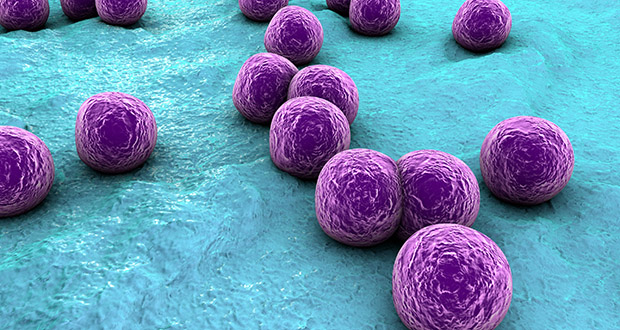
The team trained macrophages with the immune protein IFN-gamma (IFN-y). Through this process they found that they were better able to kill dangerous bacteria that causes diseases such as MRSA and TB.
“This work is particularly exciting because it tackles antimicrobial resistance by targeting the host rather than the bacteria, meaning it could be effective against a range of drug-resistant pathogens,” said lead author Dr Dearbhla Murphy.
“Crucially, we observed this training effect in cells from individuals who are typically more susceptible to infection, suggesting that immune training could help strengthen responses in vulnerable individuals.”
Trained immunity is a way the body’s innate immune system can ‘learn’ from past infections and respond better the next time. Certain immune cells (like macrophages) are ‘reprogrammed’ so that they react faster, respond more strongly and they kill microbes more effectively.
However, when the team trained macrophages from individuals with a genetic mutation that would ordinarily result in increased susceptibility to infections, they were able to improve the macrophage’s ability to kill MRSA. The team now believe that training could be used to help people who are more vulnerable to infection.
As the treatment targets the host and not the bacteria, the researchers believe that it could likely work against a number of different bacteria and potentially viruses or fungi.
The team also plans to recruit patients with tuberculosis disease or MRSA infections and see if they can train their macrophages in the laboratory to better kill bacteria.
“Our innate immune response is so crucial in the fight against TB. It dictates whether or not you become sick with the disease,” said Dr Sharee Basdeo, Assistant Professor in the School of Medicine at Trinity College.
“This study is exciting because it shows that we can boost the function of a key innate immune cell – a macrophage – by training it with IFN-γ. This makes the macrophage faster and stronger at responding when it becomes infected.
“TB remains the number one cause of death from an infection, with over a million people dying of TB every year worldwide. TB is very difficult to treat, and this is getting harder because of antibiotic resistant TB.
“Our research team – based in the Trinity Translational Medicine Institute which is collocated on the St James’s Hospital campus with the National TB Centre – are dedicated to defining how human immune responses to TB can be boosted to help kill off the bacteria. This will enable us to design immune boosting therapies that can be given alongside antibiotics to help people with TB fight off drug resistant infections.”
Read the study: IFN-γ-induced trained immunity enhances killing of priority pathogens in healthy and genetically vulnerable individuals – Journal of Clinical Investigation Insights.